
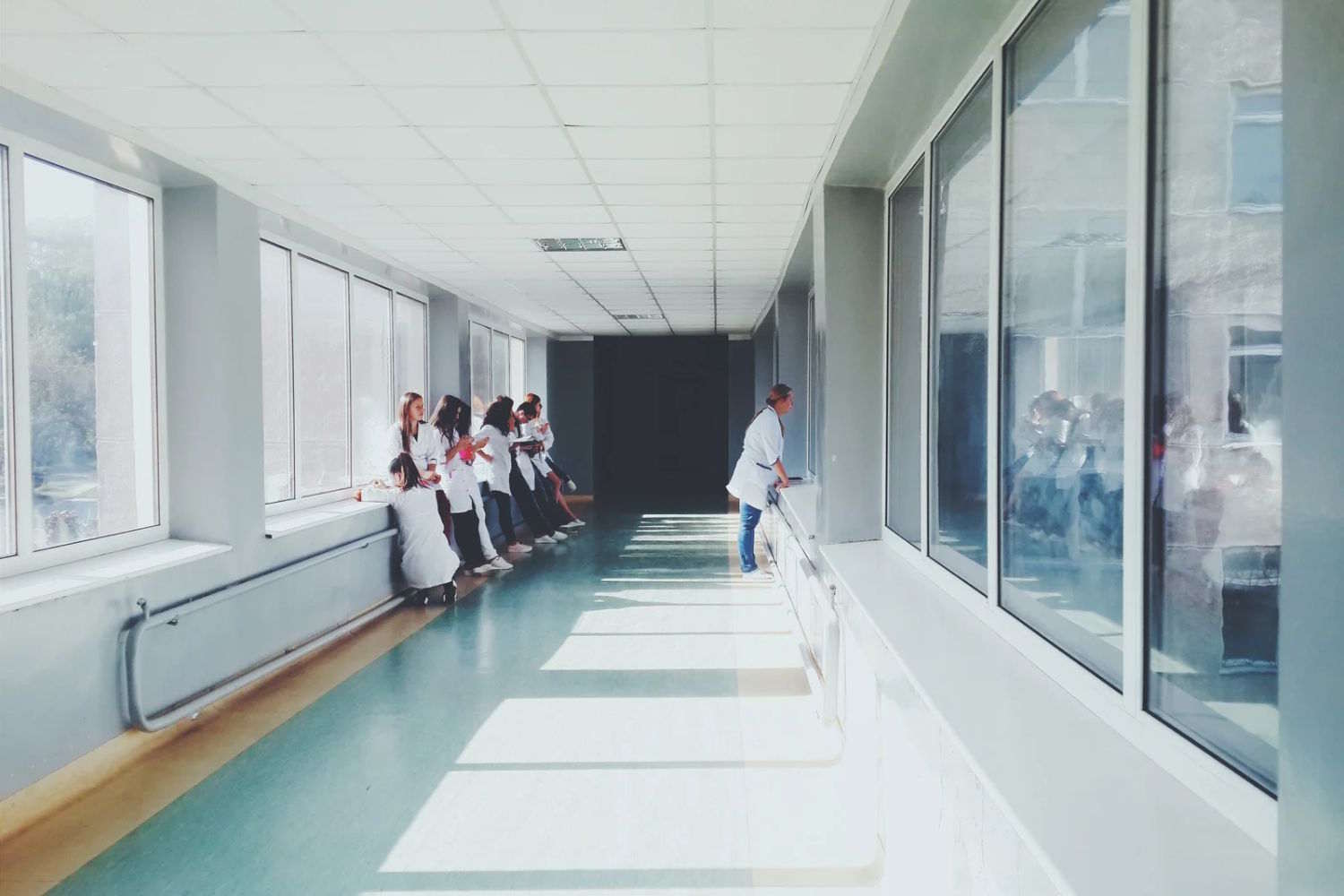
For companies producing advanced biomedical devices – such as the Israeli Insightec, based in Tirat Carmel, whose machines are installed in international clinical facilities – technological development aims to overcome the limits of traditional surgery, offering therapeutic solutions that reduce the invasiveness of interventions for hospitalized patients.
However, the impact of these innovations is concretely measured inside the operating rooms and in the corridors of the departments. The use of technology based on focused ultrasound guided by magnetic resonance allows the treatment of essential tremors and some forms of Parkinson’s disease without the need to resort to a scalpel or opening the skull, radically transforming the patient’s clinical path and the organization of work for the ward staff.
The technological evolution and the installation at Besta in Milan
The clinical application of this method in Italian hospitals has marked significant stages through the constant updating of the equipment supplied to the centers of neurological excellence. The availability of cutting-edge machinery allows us to treat a growing number of complex cases, reducing hospital stays and the risks associated with invasive neurosurgical interventions.
This path of technological updating is documented by the official press releases of the Milanese institute, as reported in the note from the Besta Institute on the first MrgFUS Prime system in Europe to treat tremors and brain tumors. The equipment, active in the Milanese hospital since the first installations in 2019, was implemented in December 2025 with the Exablate Prime model, making it the first installation in Europe combined with an intraoperative MRI.
Treatment without a scalpel: how focused ultrasound works
The therapeutic aspect of this technology lies in the ability to focus high-intensity ultrasound beams on millimeter targets within brain tissue, guided in real time by magnetic resonance images. This procedure allows the nervous circuits responsible for the tremor to be interrupted without incising the skull and without requiring general anesthesia.
The scope of this treatment for patients suffering from neurological disorders is explored in depth in the reports of the national press, as in the Repubblica article on ultrasound to treat tremors and neurological diseases at Besta among the first in Europe. The service highlights how the Exablate Prime system allows the treatment of essential tremor and Parkinson’s by eliminating the need for the scalpel and traditional anesthesia, representing the first installation of this type within a European Institute for Scientific Hospitalization and Care (IRCCS).
The sustainability of the Health Service and access for patients in Lombardy
The introduction of highly specialized procedures within public health raises the issue of economic sustainability and access to care for citizens. The coverage of costs by the regional public system guarantees that eligible patients can undergo treatment without direct costs, fitting into an annual program defined by the operating volumes of the clinical center.
The estimates relating to the care of patients are described in the details provided by Corriere della Sera on the use of ultrasound at Besta to treat tremors and the coverage of the Health Service in Lombardy. The analysis indicates that in Europe there are only five units of this type, while in Lombardy the procedure is reimbursed by the Regional Health Service, with a treatment forecast of between one hundred and thirty and one hundred and fifty patients per year.
The routine of the department and the work of the night staff
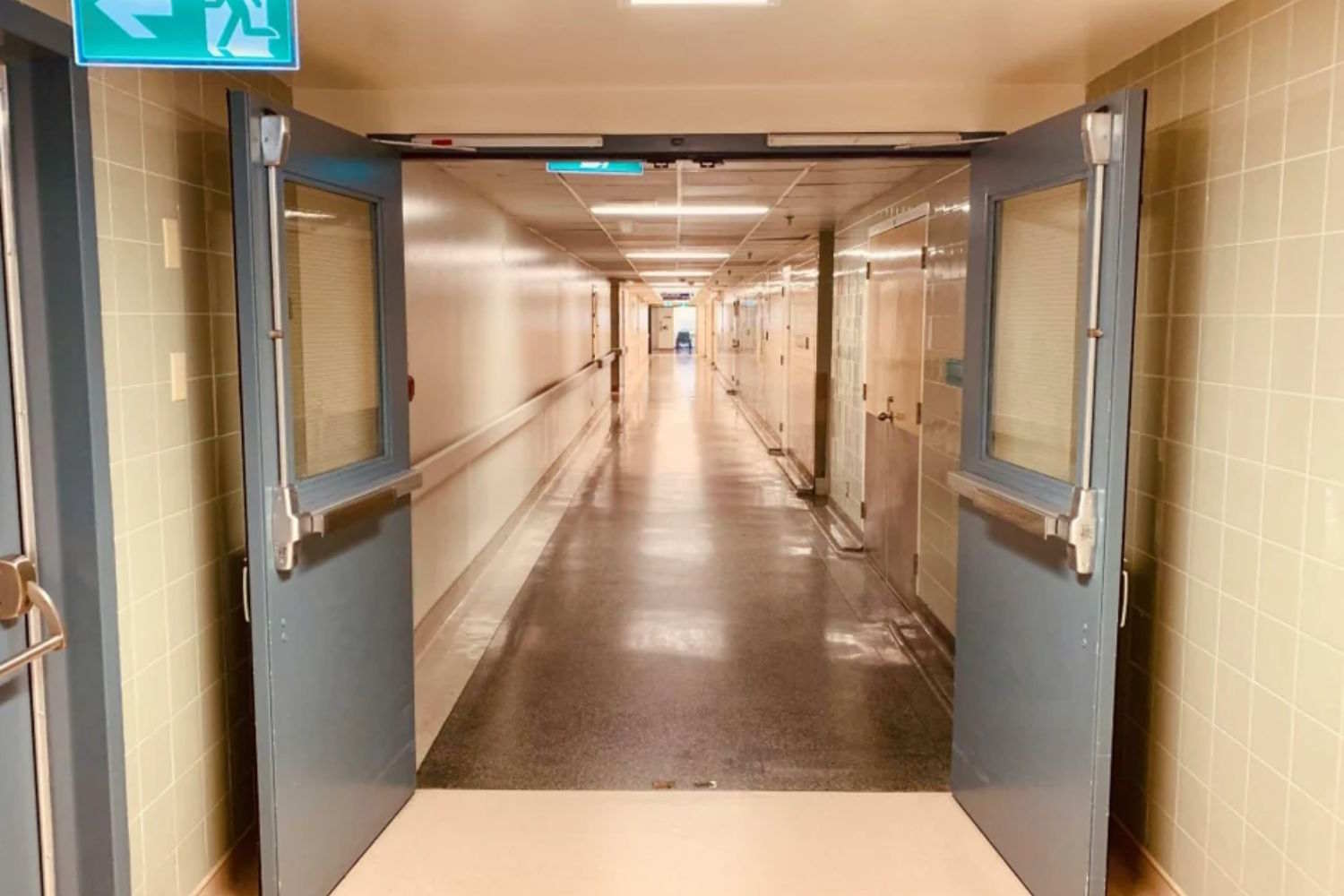
Behind the engineering complexity of the equipment produced by Insightec there is the daily reality of Italian hospital departments, where nurses, technicians and doctors manage shifts and emergencies. For staff who work at night, knowledge of the protocols, instruments and materials stored in the drawers of the diagnostic room represents a skill acquired through practice and constant repetition.
The work of the nursing and medical staff takes place in the coordination between the preparation of the instruments and the clinical monitoring of the patients. Knowing how to immediately identify the sterile material or spare device in the operating room drawers means guaranteeing the fluidity of the procedures and the safety of those who rely on the care of the public facility.
Workflow management requires continuous shifts and constant monitoring of clinical parameters before, during and after the procedure with focused ultrasound. Healthcare workers verify the perfect calibration of the IT systems and the availability of consumables inside the emergency trolleys and dedicated compartments. This meticulous organization allows us to promptly address any critical issues during the night hours, ensuring that the medical team can operate in conditions of maximum safety and coordination within the Milanese hospital structure.
Particular attention is paid to the management of the machinery and the storage of diagnostic data on the room’s dedicated servers. The speed of execution in this delicate phase of the shift represents a determining factor in respecting the clinical schedule.
The patient’s journey and the new therapeutic perspective
For the citizen who arrives at Besta with a clinical picture marked by strong tremors, the encounter with this technology marks a radical change compared to the surgical options of the past. The possibility of undergoing a procedure that does not involve incision of the skin tissues or opening of the skull drastically reduces the psychological and physical impact of hospitalization.
The observation of a session with focused ultrasound shows the concrete dimension of medical progress in hospital wards. The image of an alert patient during treatment, followed by healthcare personnel and monitored through magnetic resonance screens, describes a path in which the high technology applied by the National Health Service translates into immediate and tangible relief from the disease.
