
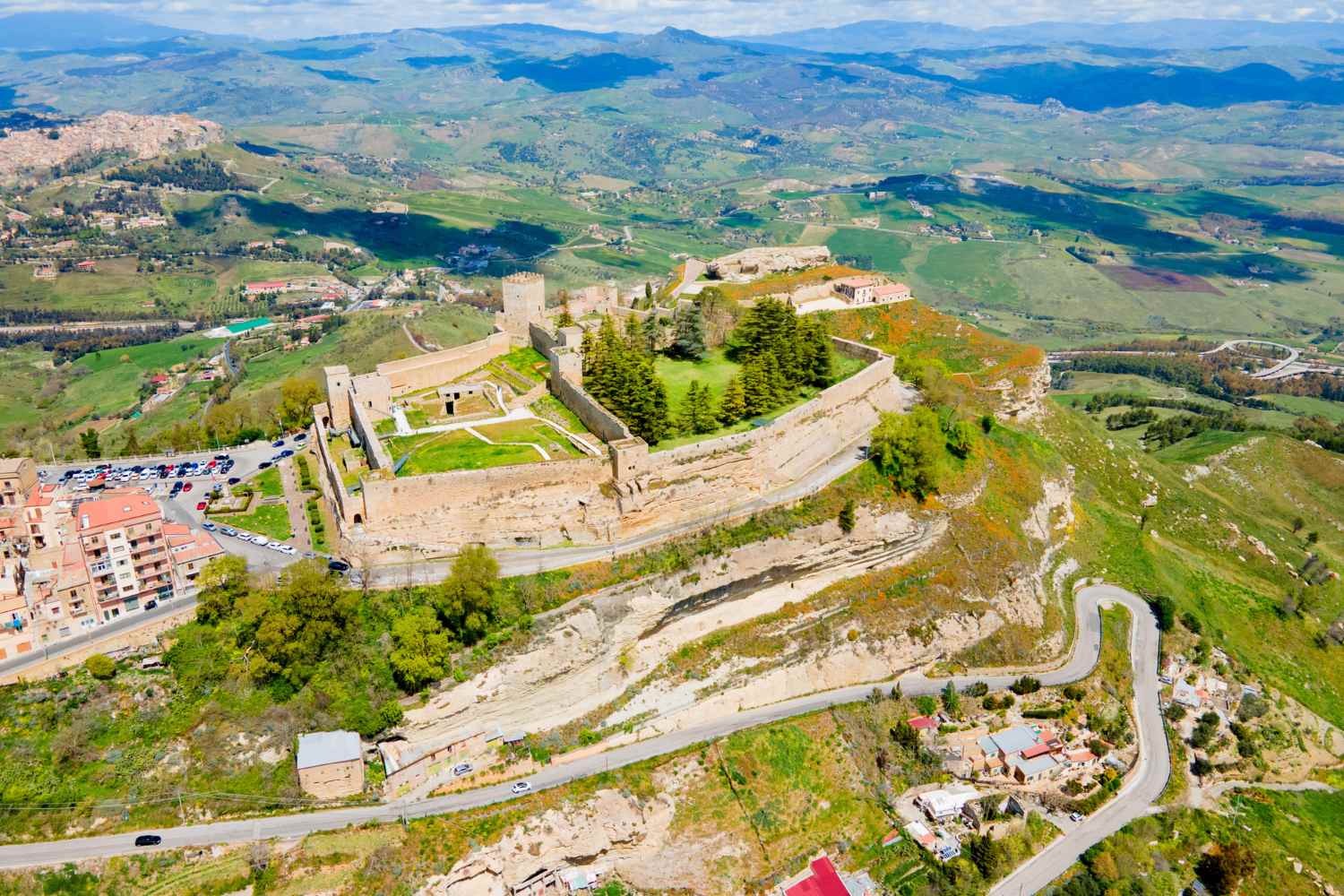
There is a city in Sicily that can be reached by climbing, a place that allows you to find yourself, once the climb is completed, looking down on the entire island. We are talking about the city of Enna, located in the geometric heart of the region at 931 meters above sea level, a record, which makes it the highest provincial capital in Italy and, according to most sources, in Europe, although some attribute the continental record to the Spanish Ávila, which exceeds 1,100 metres. This ambiguity already says something about the city, a place that prefers to remain in the shadows, even when it deserves greater visibility.
A city that the Romans called impregnable
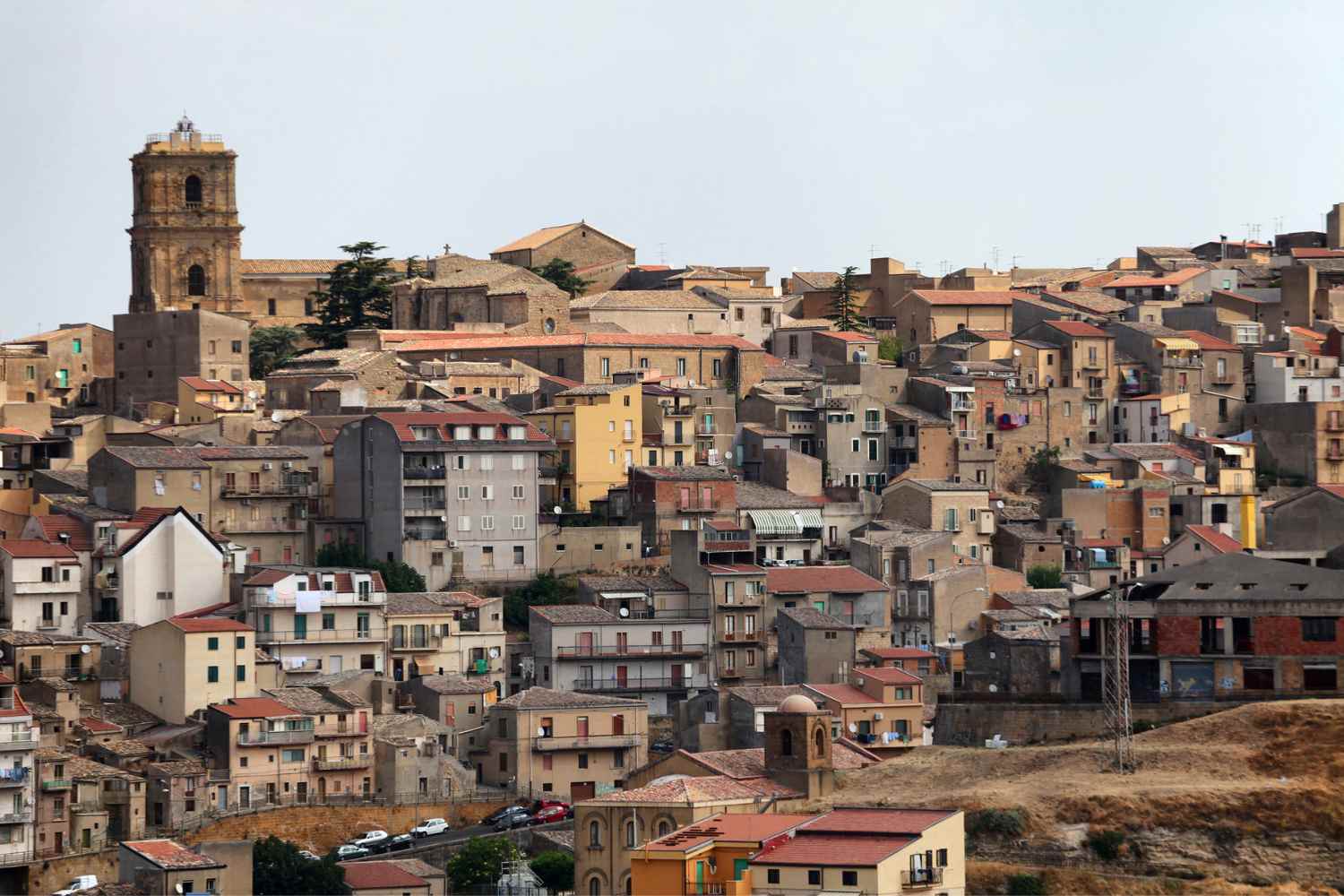
The history of Enna begins with the Sicani, a people who dominated almost the entire island about three thousand years ago and chose this mountain ridge as their fort. All subsequent dominations, from the Greeks to the Romans, from the Normans to the Arabs, understood the same thing: conquering Enna meant having full control of Sicily. The Romans called it Urbs Inexpugnabilis, the impregnable city, and the Arabs managed to conquer it only thanks to the betrayal of an inhabitant. Until the beginning of the twentieth century the official name of the city was Castrogiovanni, yet another echo of its nature as a bastion (the word Castrogiovanni derives from the Arabic Qasr Yanni, which means “John’s castle”, where qasr is the Arabic word for fortress or castle). Today Enna has just over twenty thousand inhabitants and is divided into two clear areas, Enna Alta, where the medieval historic center is concentrated, and Enna Bassa, which hosts the modern neighborhoods.
The Castle of Lombardy and the view of Etna
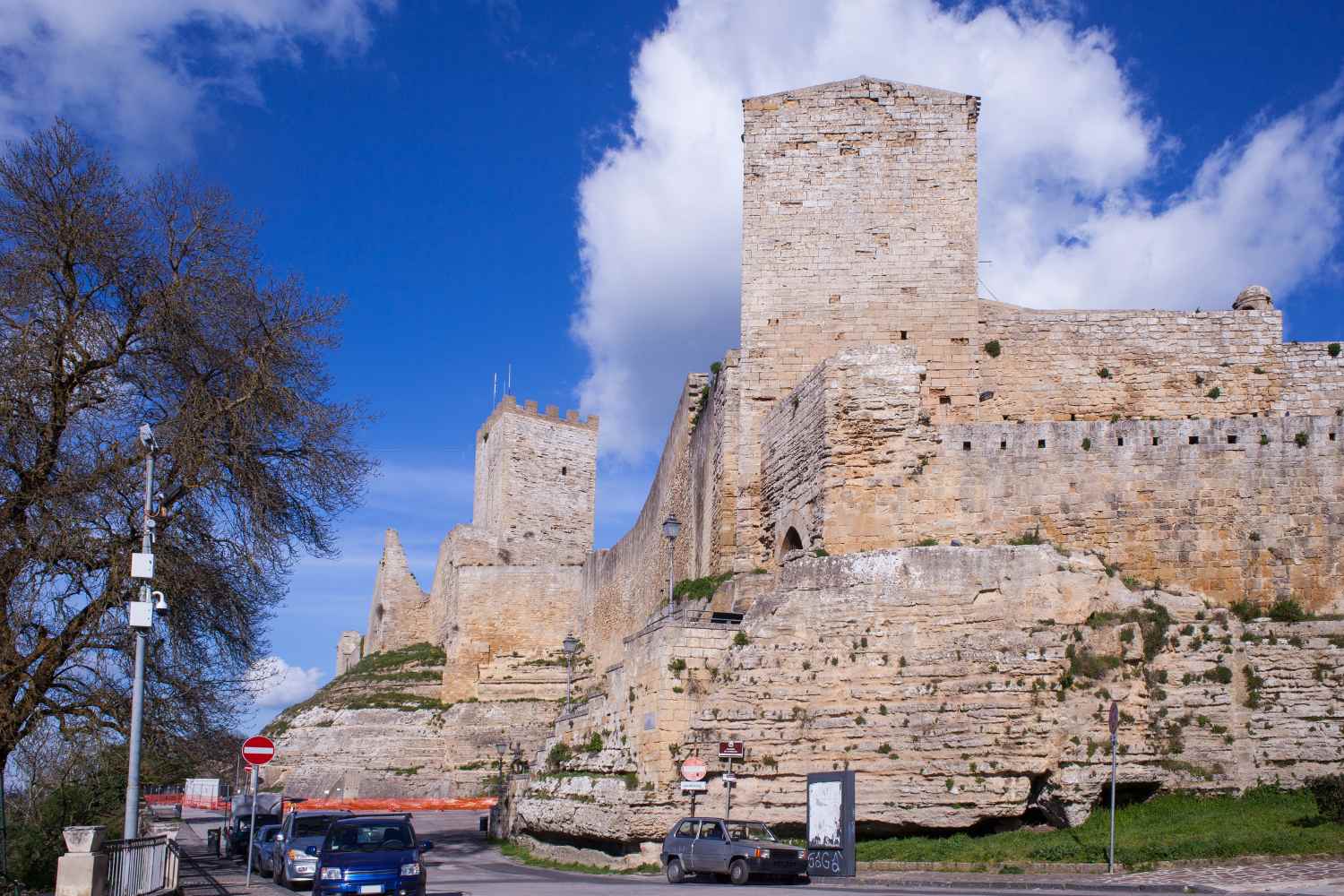
The most impressive monument is the Castello di Lombardia, which the Municipality of Enna manages and keeps open every day from 8am to 8pm with free admission. With a surface area of 23,000 square metres, it is one of the largest medieval manors in Sicily: originally it had twenty towers, today six remain, of which three are almost intact. The most famous is the Pisan Tower, from which you can see the Madonie Mountains, Etna, Lake Pergusa and a good part of the central-eastern countryside of the island.
The castle hosts the Federiciana Week every year, a medieval re-enactment with markets and neighborhood games in period costumes. The historic center is mainly walked along Via Roma, which crosses the five main squares. The highest capital in Europe is not in the Alps but in Sicily, 931 meters above the sea. Medieval castle, view of Etna and UNESCO mosaics thirty kilometers from the city and runs alongside the Duomo, an example of medieval Sicilian architecture and home to one of the most evocative Holy Weeks in the South.
The UNESCO mosaics thirty kilometers away
Those who visit Enna are unlikely to give up a detour to Piazza Armerina, about thirty kilometers away. Here is the Villa Romana del Casale, a UNESCO World Heritage Site since 1997, managed by the Morgantina Archaeological Park. Built in the 4th century AD, it preserves over 3,500 square meters of polychrome mosaics considered among the most beautiful and best preserved in the Roman world – including the famous panel of Girls in Bikinis, extraordinary for its modern look. The official UNESCO sheet can be consulted on the World Heritage Center website.
Borgo Cascino: the still time of the Twenty Years
In the hills around Enna there is a place that few know about: Borgo Cascino, a small rural settlement built in the fascist era, with the central square surrounded by porticoes, the church, the rural school, the post office and the civic tower – all built recalling the canons of Roman imperial architecture dear to the regime. A handful of buildings frozen in time, which tell a piece of Italian history that is often removed.
The Enna table
The local cuisine is genuine and tasty. Don’t miss the maccaruna ‘nta maidda, fresh homemade pasta seasoned with meat sauce, and the cassatedde, fried desserts filled with ricotta and sugar. A cuisine that gives nothing to fashion and everything to tradition.
