
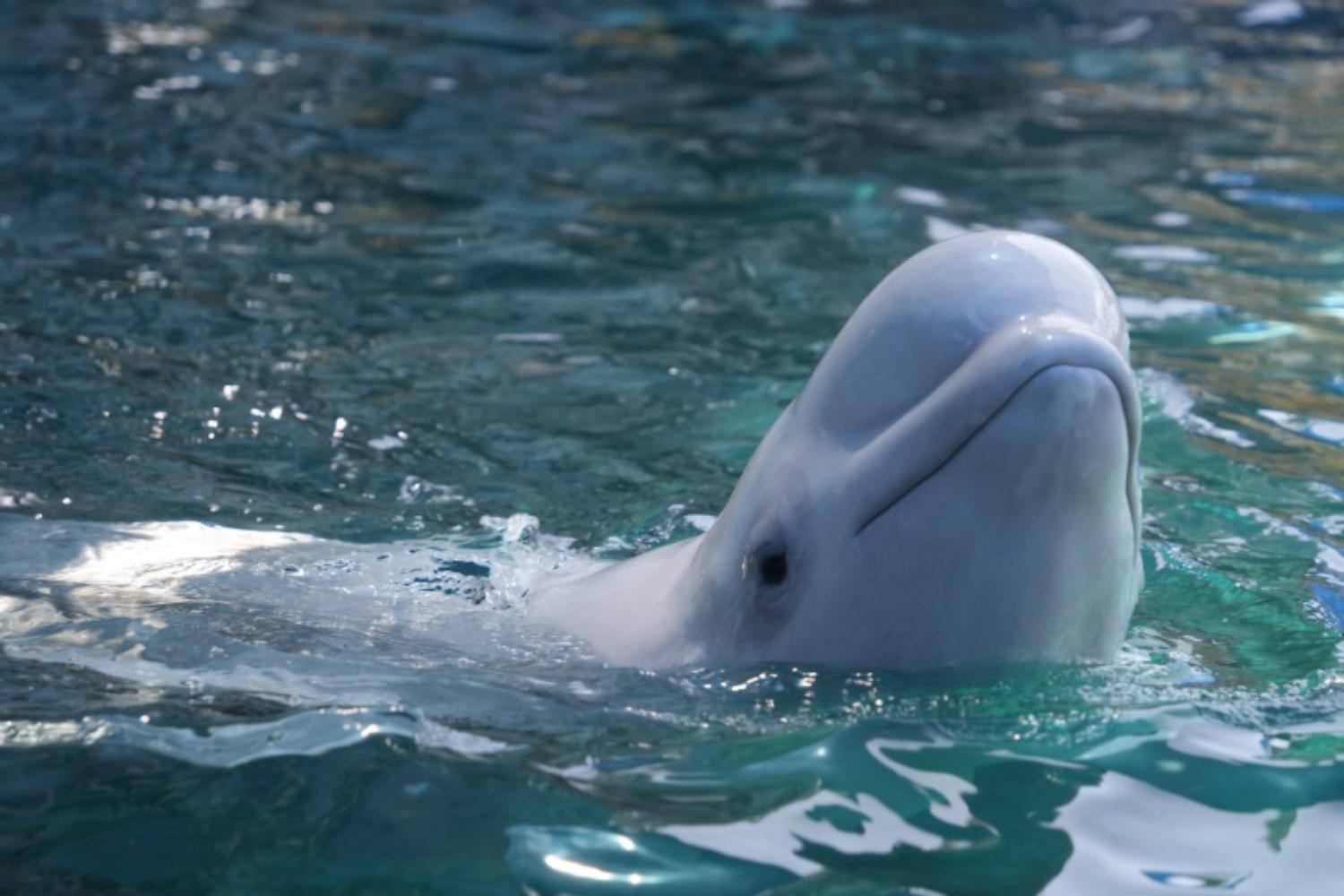
An unprecedented operation marked the definitive epilogue of a story that lasted over sixty years. The transfer of the last six specimens remaining in the Marineland marine park, in Niagara Falls, officially marks the end of the presence of cetaceans in captivity on Canadian soil. Over a period of approximately five to six weeks, 30 belugas and four bottlenose dolphins were evacuated through six coordinated transports by land and air, also using aircraft such as the Boeing 777.
View this post on Instagram
The huge rescue intervention avoided the threat of suppression raised by the structure following the definitive closure and the government ban on sales to China. The redistribution involved a consortium of five important international facilities: the Shedd Aquarium in Chicago, which today has a total of 17 belugas including the new arrivals Gimli and Yukon, the SeaWorld headquarters in San Antonio and San Diego (with 16 specimens welcomed), the Georgia Aquarium in Atlanta, the Mystic Aquarium and Oceanogràfic València in Spain, a center that took care of all four dolphins.
View this post on Instagram
From the legislative turning point to the death of the beluga Peekachu
The decisive push to empty the Niagara Falls tanks came with the approval in 2019 of the Ending the Captivity of Whales and Dolphins Act, the legislative measure with which the Canadian Parliament outlawed the detention, reproduction and exploitation of whales and dolphins in shows.
However, the transition from the abandonment of the structure to the new tanks proved to be a path devoid of happy alternatives and marked by dramatic unexpected events, such as the loss of the visually impaired beluga Peekachu, who suddenly died in Chicago shortly after transport. Shedd Aquarium chief veterinarian Karisa Tang remarked that the arrival in the new spaces represents only the beginning of a delicate monitoring process. To preserve the balance of the cetaceans, the transfers were carried out by dividing the whales into sub-groups aimed at protecting the social bonds already established, in an attempt to reduce adaptation stress.
View this post on Instagram
The paradox of a rescue that renews imprisonment
Despite the efforts made by the veterinary teams, the operation leaves open a profound ethical and biological dilemma. A specimen born or raised in a tank does not have the necessary skills to hunt, orient itself or integrate into the wild banks of the Arctic Ocean. For this reason, a direct release into nature is not possible and would result in immediate death.
The absence of operational and protected marine sanctuaries forces institutions to simply move animals from one facility to another. The specimens stolen from the Canadian park are now found in US and European aquariums where, despite receiving adequate care, they will continue to live between concrete walls. The Canadian case demonstrates that banning dolphinariums is a fundamental step, but the real challenge consists in building alternative spaces so that the rescue does not result in yet another transfer of lifelong imprisonment.
View this post on Instagram
