
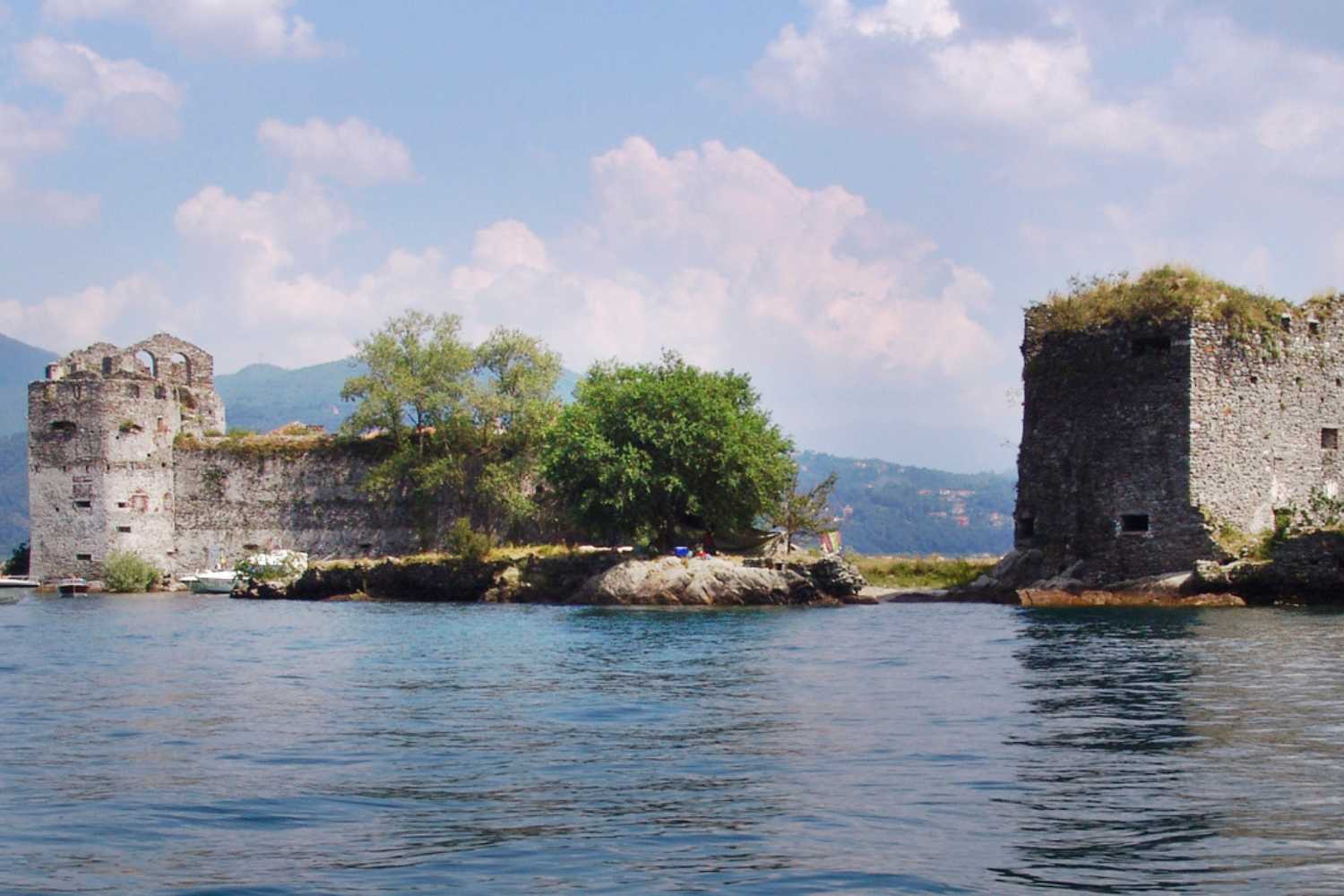
There are places that seem to come out of a story, with castles overlooking the water, mysterious islands and brigands legends. Then find that they really exist, and they are in Piedmont. THE Castles of Cannerofor example, are there, On Lake Maggioreset between the Piedmontese banks and Switzerland, A few shots of Remo da Cannero Riviera and Cannobio.
After decades spent looking at time to flow, swallowed up by silence and wind, those castles return to live. It’s official: The reopening to the public is scheduled for June. A date is still not there, but the restoration – which began in 2019 – is now concluded. And it was a long, painstaking job, not without challenges.
A new cultural pole
The protagonist of this rebirth is the Vitalian Rocca, The fortress built between 1519 and 1526 by Count Ludovico Borromeo. Yes, he, determined to make the name of his home on the ruins of the old Malpaga eternal, the lair of the notorious Mazzarditi, local brigands with a certain fame in the fifteenth century. The result? An austere and fascinating construction, capable of resisting – at least in part – at time and water.
Today the Rocca returns to open the doors with a interactive museum: between courtyards, frescoed rooms and ancient walls, we will be able to discover the finds found during the excavations and get to know a centuries -old story up close. Episodes that really happened, made of sieges, daring escapes and power games, told with today’s technology and yesterday’s charm.
The Castles of Cannero – or Malpaga, as someone still calls them – thus become part of the Terre Borromeo circuitalongside the islands and historical houses that dot the lake major, a further, and precious piece, which will enrich the cultural and tourist heritage of the area.
There is to prepare the boat, and curiosity. Because those three islets that for years we have only observed from afar now can finally be discovered, step by step. Wall after Mur, story after history.
