
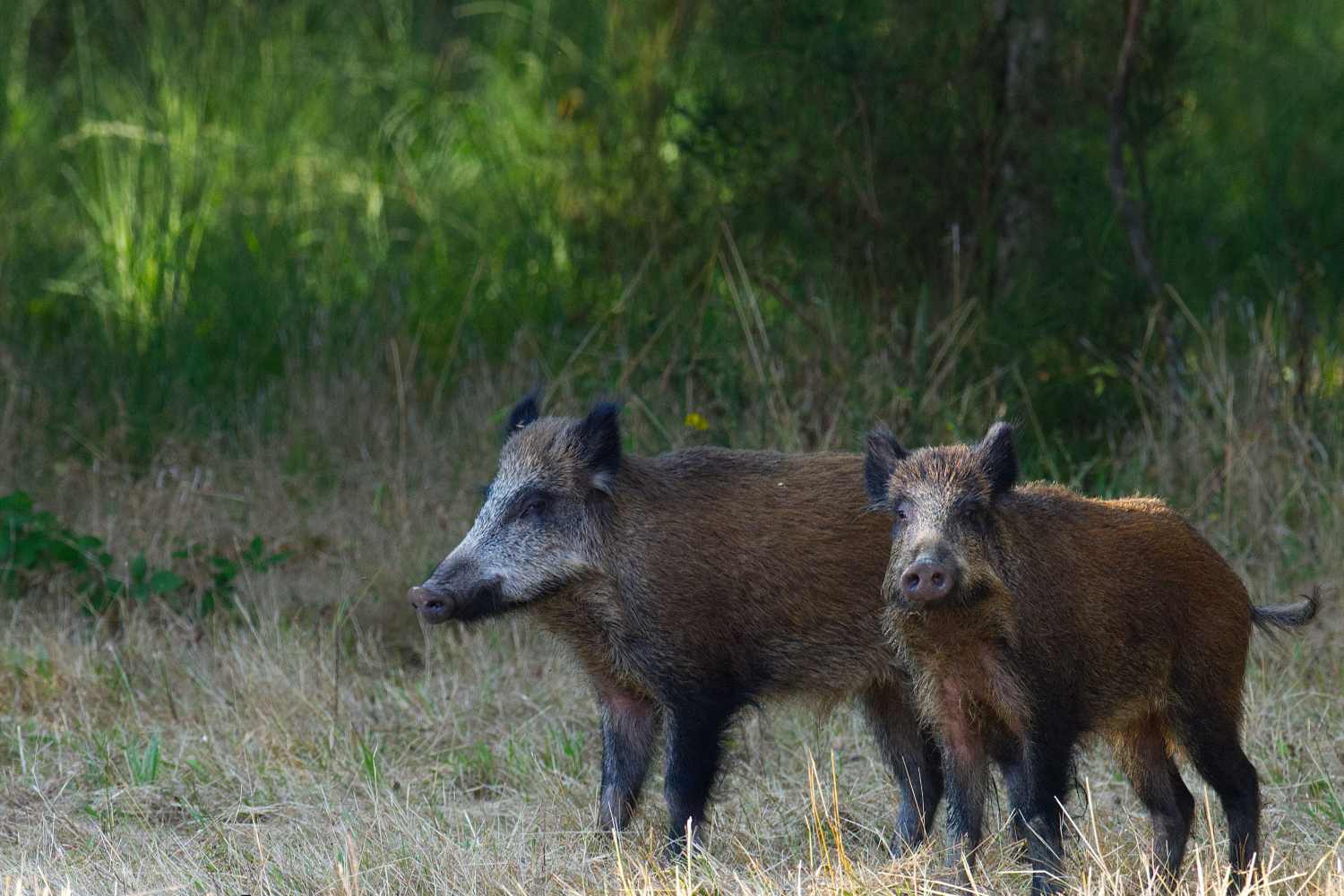
The epidemiological nightmare returns to threaten Lazio and its livestock supply chain. About 20 kilometers north of the capital, in the municipality of Riano, the carcass of a wild boar was identified, apparently hit by a car in the countryside near Via della Strada Vecchia, a short distance from the Rianese provincial road.
The analyzes conducted on the remains of the animal, recovered on 20 August, confirmed the positivity to African swine fever (ASF), putting an end to the months of truce recorded in the region and eliminating the progress declared by the Minister of Health Orazio Schillaci, who in 2025 had celebrated the exit of the Roman area from the so-called red zone.
The emergency protocol of ASL Roma 4 is triggered
The discovery pushed the local authorities to immediately decree the red zone in the Riano area, an area characterized by a high density of ungulates and almost a hundred road accidents linked to wildlife. To verify whether it is an isolated case or the onset of a new epidemic outbreak, the technicians of the ASL Roma 4 have launched an extraordinary epidemiological surveillance plan using molecular dogs to search the woods. Furthermore, health workers have planned a technical inspection at the Castelnuovo di Porto ecocentre, located in via Piana Perina, to equip the structure for the disposal and treatment of infected carcasses.
The threat to pig farms and the herd in Prima Porta
Although African swine fever is in no way transmissible to humans and poses no risk to public health, the viral load has a devastating mortality rate for wild boars and domestic pigs. Contagion occurs through feces and saliva, directly threatening local livestock farms.
Parallel to the case of Riano, the presence of these animals in urban areas continues to cause concern: on the afternoon of Sunday 30 August 2026, an entire herd of wild boars made up of five adults and cubs was spotted and filmed by commuters while crossing the bus lanes in Prima Porta.
Biosafety recommendations and standards for the population
To contain the possible dispersion of the pathogen by visitors, the regional authorities have ordered the adoption of rigorous prevention measures. Anyone who practices hiking or trekking activities in the wooded areas of the area must strictly follow the marked paths, keep dogs on a leash and park vehicles only in authorized areas. At the end of the walks, disinfection of footwear and clothing is strongly recommended to prevent the virus from being mechanically transported to other areas or breeding facilities.
View this post on Instagram
