
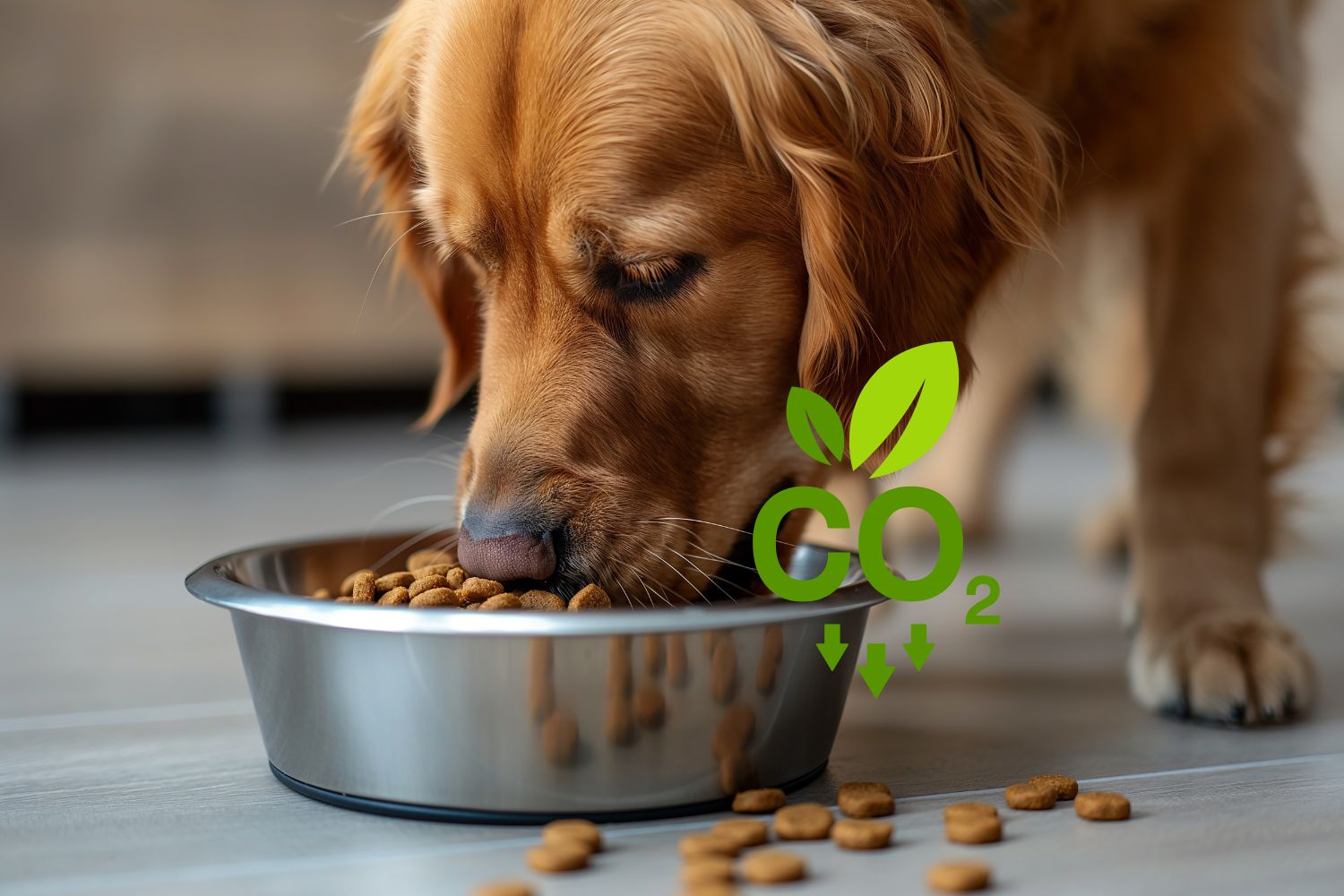
The environmental impacts of feeding dogs are significant and growing due to increasing dog populations and trends to feed more quality meat. An impact that is difficult to realize. Yet, it seems clear that high-quality, meat-rich dog food can have a larger carbon footprint than that of humans.
This is stated in the largest study of this type carried out by the universities of Edinburgh and Exeter, published in Journal of Cleaner Productionaccording to which it is above all wet, raw and meat-rich products that are associated with significantly higher greenhouse gas emissions than dry dog food.
Overall, the production of the ingredients used in dog food in the UK would contribute to around 1% of the country’s total greenhouse gas emissions.
The study
According to experts, producing enough dog food to cover global needs, with models similar to those in the United Kingdom, would have a huge climate impact: greenhouse gas emissions would be comparable to more than half of those generated each year by the fuel used by commercial flights.
The study also highlights strong differences between the various products: dog foods with the highest environmental footprint can emit up to 65 times more greenhouse gases than those with the lowest score.
The use of “noble” meat, i.e. of quality intended for human consumption, which significantly increases emissions, weighs the most. On the contrary, the use of less requested but still nutritious parts of the carcass helps to reduce the environmental impact. In general, dry food not labeled asgrain free” is less impactful than moist, raw or grain-free alternatives.
For those who want to reduce the ecological footprint without completely changing the type of diet, the advice is to carefully read the labels and choose products with a lower percentage of first choice meat. Greater use of plant-based dog foods could also help reduce emissions, although the researchers point out that, at the moment, there are still few options tested in this area.
As a vet committed to environmental sustainability, I often see owners torn between the idea that dogs are carnivorous ‘wolves’ and the desire to reduce environmental damage – explains lead researcher John Harvey, of the Royal (Dick) School of Veterinary Studies at the University of Edinburgh. Our research demonstrates how large and variable the climate impact of dog food is. It is important for owners to know that choosing grain-free, wet or raw foods can have greater impacts than standard dry kibble. The pet food industry should ensure that cuts of meat used are types not typically consumed by humans and that labeling is clear. These measures can help us have healthy, well-nourished dogs, with less impact on the planet.
The results, in short, the researchers conclude, “highlight the need for greater transparency and better labeling of dog food ingredients to help consumers make informed choices as the number of pet owners continues to rise, experts say”.
