
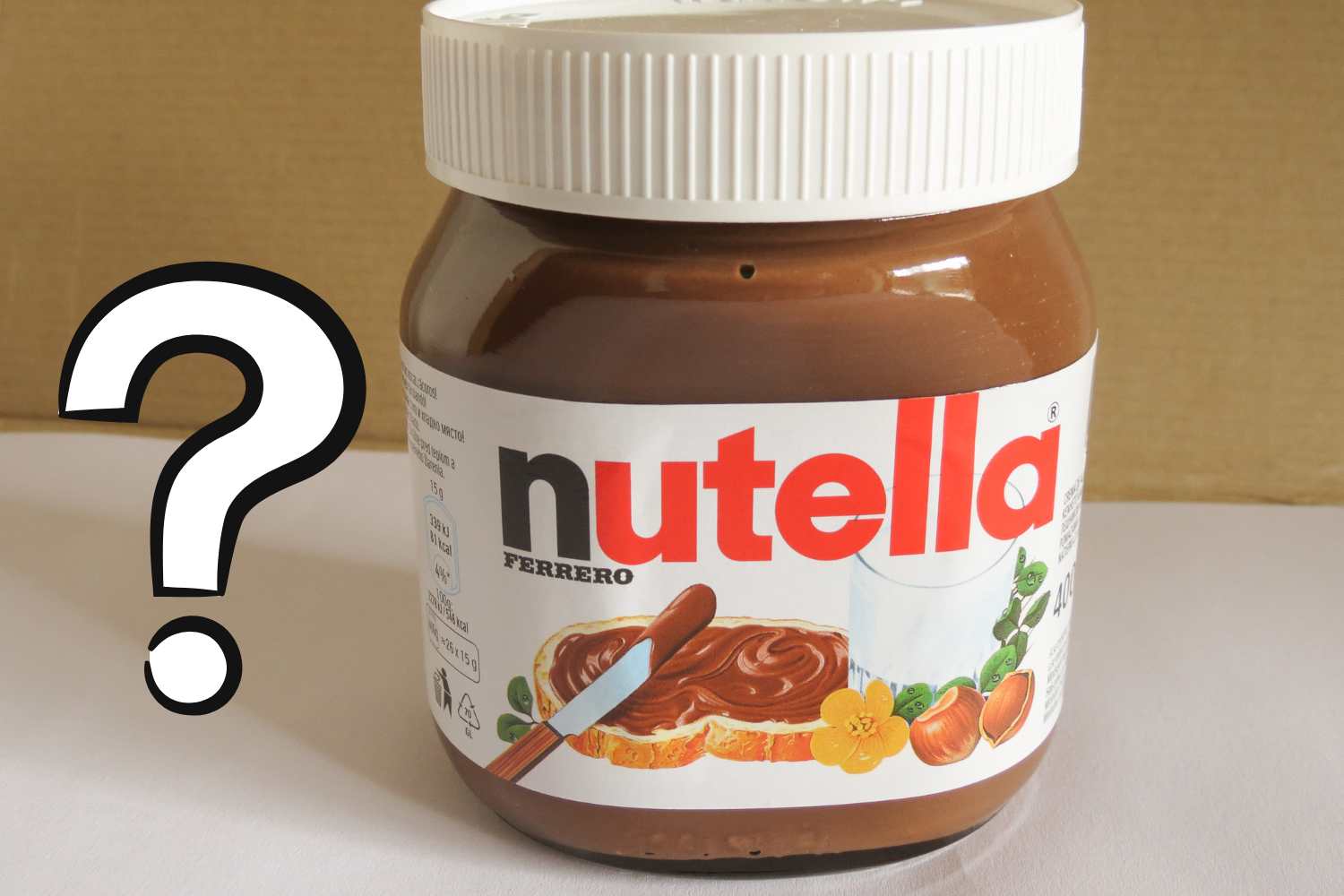
Although there are probably better hazelnut spreads, Nutella has won the favor of national and international consumers for several years now. As much loved by gourmands as it is contested by nutritionists and more generally by health enthusiasts, we know very well everything about Nutella regarding its ingredients and nutritional values (just read the label). This product is criticized in particular for the very high quantity of sugars, but also because palm oil is still used to produce it.
Another “hot” point of its production concerns the supply of hazelnuts, recently also sought after on Italian territory (with quite a few problems and protests for Ferrero).
Today we are not dealing with all this but with a truly little-known aspect of Nutella, namely its history.
The origin of Nutella
The history of this product, which was born after the Second World War, a historical period in which it was very difficult to find cocoa in our country, is well reconstructed on the Nutella website.
The brilliant idea of Pietro Ferrero, founder of the company of the same name, was to create a sweet paste with hazelnuts, sugar and a little cocoa (whatever he could find). This is how Giandujot was born, named after the traditional Carnival mask, a loaf that was first cut into slices and then spread on bread.
This product is considered the ancestor of Nutella.
The evolution towards the more traditional spreadable cream that we all know took place in 1951 when Giandujot became, by adding vegetable oils, SuperCrema, sold in a jar and ready to be spread on bread.
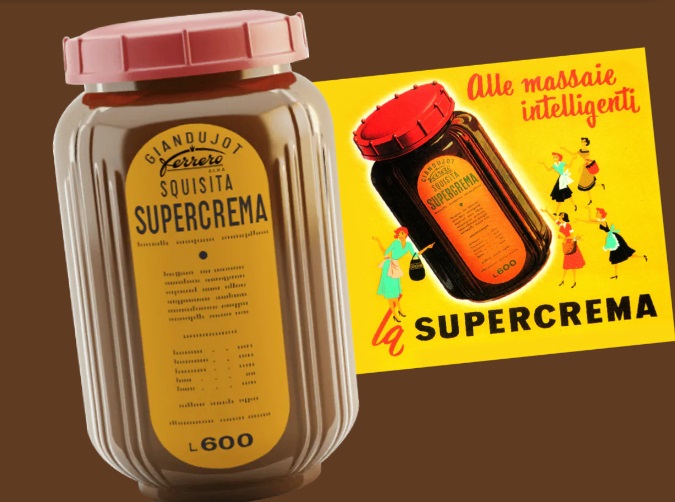
It was only in 1964 that Nutella as we all know it today arrived, born from an improved recipe compared to the previous one. It originally had a singular elongated jar which in 1965 was replaced with the classic jar in which it is still sold today.
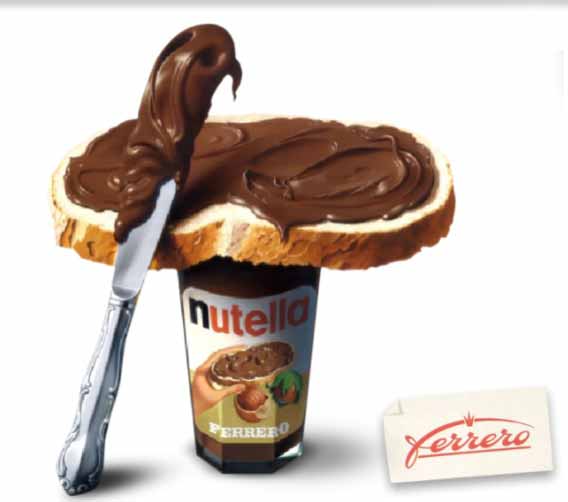
In the following years, Nutella began to be exported all over the world, and its success continues to this day.
Beyond the unhealthy nature of this product, we must recognize that Ferrero took a long time to create Nutella.
Vegan Nutella
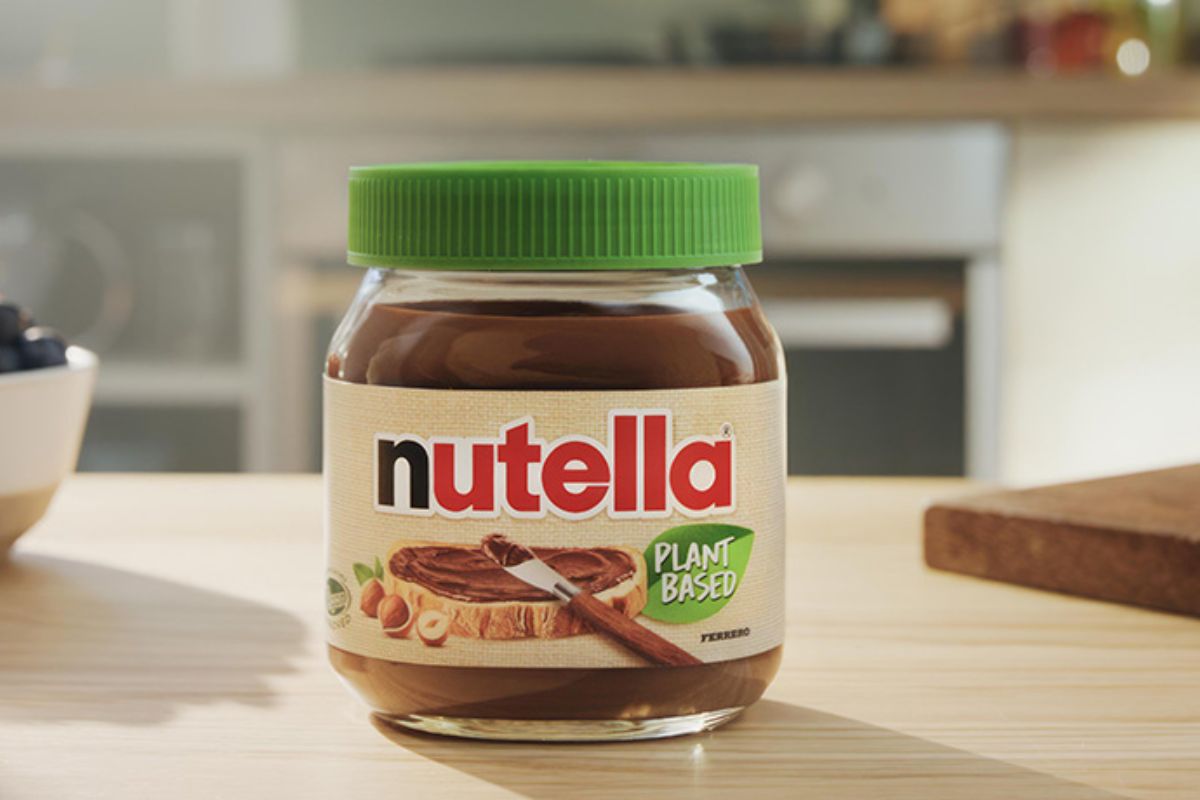
In 2024, a completely plant-based version of Nutella was released: Vegan Nutella. It is distinguished from the classic version by the green cap, but the main innovation is obviously the replacement of milk with vegetable ingredients such as chickpeas and rice syrup. This change is fundamental as it broadens the audience of Nutella consumers, including vegans and people who are lactose intolerant.
Be careful though: vegan Nutella is not suitable for those allergic to milk, as Ferrero also writes on its website:
Nutella® Plant-Based is suitable for lactose intolerants. However, because Nutella® Plant-Based is produced in a facility that uses milk for other Ferrero products, Nutella® Plant-Based is not suitable for people allergic to milk proteins.
September 3rd was the day of the official launch of Plant-Based Nutella, which began to be distributed in all supermarkets. This dairy-free version uses other ingredients to maintain the creaminess and characteristic taste of the product. With a green cap that makes it easily recognizable compared to the classic version and a renewed label, the famous Ferrero spreadable cream therefore abandons milk, at least in this version, becoming 100% vegetable.
The change aims to meet the needs of those who follow a vegan diet or are lactose intolerant, with the ambitious aim of not compromising the taste of Nutella.
