
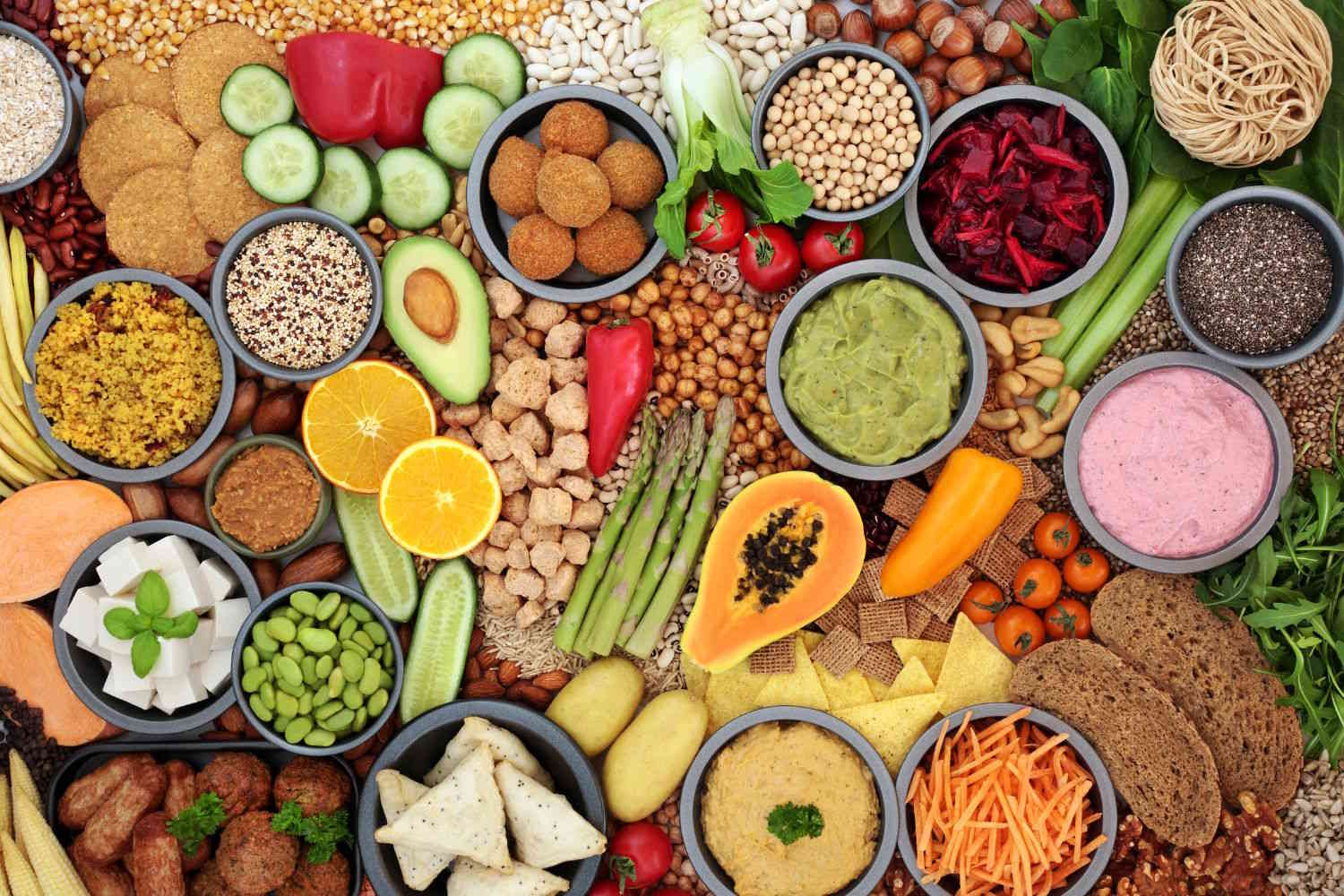
A new work published on BMJ Nutrition Prevention & Health rekindles the comparison between the vegan diet and the Mediterranean diet, shifting attention to a double objective: metabolic health and environmental impact. The research, conducted by experts from the Physicians Committee for Responsible Medicine, shows significant differences between the two dietary models. According to the data, following a low-fat vegan diet could reduce food-related greenhouse gas emissions by up to 57%, almost triple the approximately 20% observed with the Mediterranean diet.
The research method: 62 adults and 16 weeks of controlled diet
The study involved 62 overweight adults subjected to a cross-diet diet. Participants followed a vegan diet based on fruit, vegetables, cereals and legumes for 16 weeks, and a Mediterranean diet for another 16 weeks. The researchers then compared the food data with international environmental databases, to estimate the overall impact of the two models along the entire production chain, from cultivation to transport. Another relevant data concerns the cumulative energy demand, i.e. the energy needed to produce food: in the vegan diet there is a reduction of 55%, compared to much smaller variations in the other regime.
Not just the environment: effects on metabolism and weight
In addition to the environmental profile, the vegan diet also showed important effects on the participants’ bodies. The results indicate more marked improvements compared to the Mediterranean diet in terms of body weight, insulin sensitivity and cholesterol. According to the authors, these benefits reinforce the idea that the same dietary model can simultaneously impact individual health and global sustainability.
The convergence between health and climate according to researchers
Researcher Hana Kahleova underlined that the results are not theoretical but derive from real clinical data. The central point of the study is precisely the overlap between human well-being and environmental impact. “The dietary model that is most protective for metabolic health is also the most sustainable for the planet” is the synthesis that emerged from the scientific work, which highlights how food choices can have rapid and measurable effects.
The role of animal products in environmental impact
Most of the differences observed derive from the elimination of foods of animal origin. Meat, dairy products and eggs are in fact among the products with the highest consumption of resources and the greatest impact in terms of emissions. According to the researchers, it is precisely the removal of these foods that determines the “change of scale” in the overall emissions of the vegan diet.
An immediate lever against climate crises and metabolic diseases
One of the aspects most highlighted by the study is the speed of change. Unlike many environmental policies that take years, dietary changes can be adopted immediately, with visible effects within weeks. This is why the authors talk about a solution “feasible on a large scale”, which could involve not only individuals but also health systems and public policies.
You might also be interested in:
