
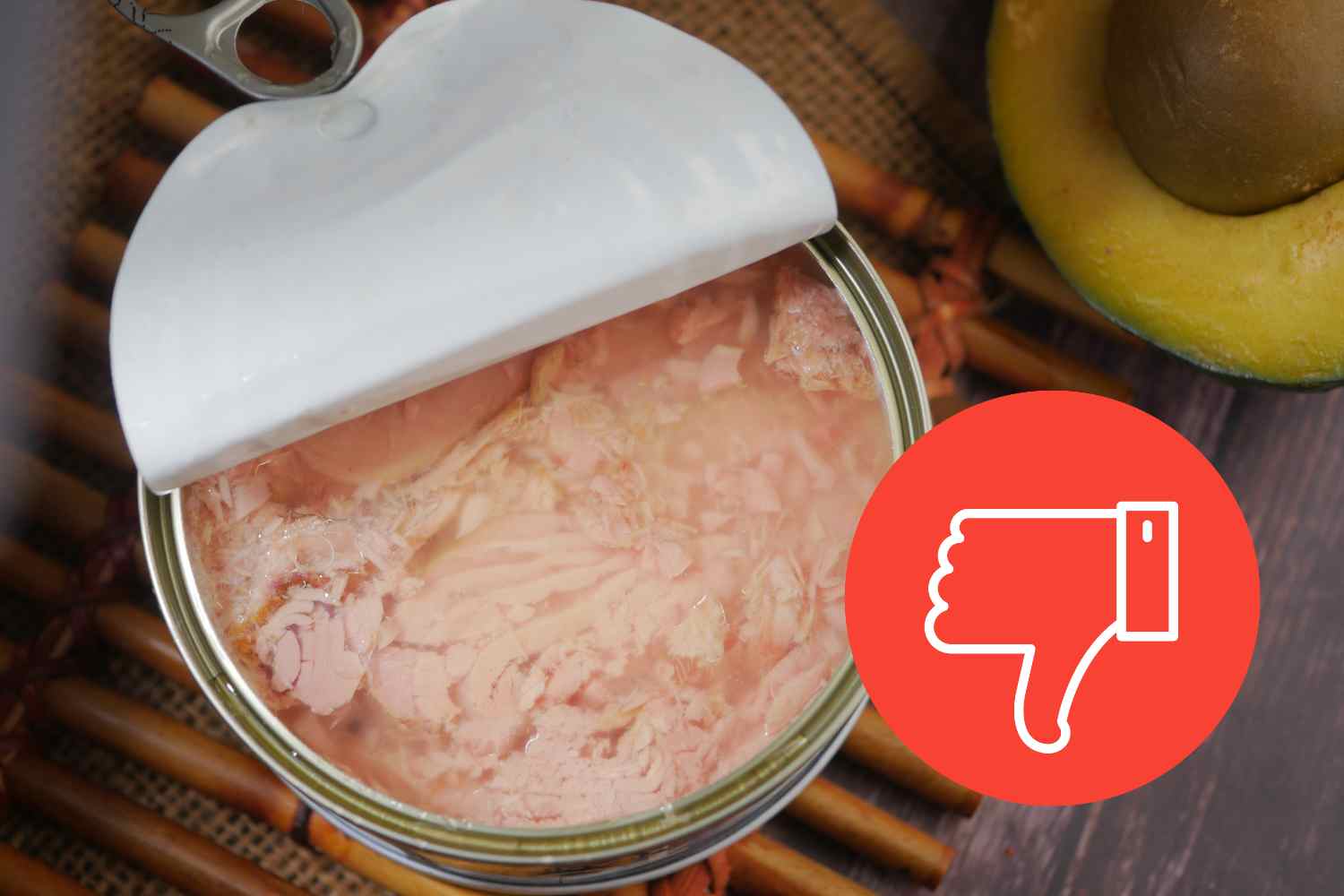
There is an area of the supermarket where almost no one actually stops to choose. You can cross the shelf of canned tuna in a few seconds, reach out for the most familiar brand and move on. Yet, behind those apparently interchangeable packages, differences exist — and in some cases they are notable.
Canned tuna has resisted decades of food evolution because it responds to a concrete need: no preparation, no smell of fresh fish, a guaranteed supply of proteins and Omega-3 fatty acids even on the most hectic days. But convenience is not synonymous with quality, and the results of the blind test conducted by the Gambero Rosso editorial team in 2026 clearly demonstrate this.
Out of 25 samples collected from the main companies in the fish canning industry – available in different species (yellow fin, pole-caught skipjack tuna) and different government oils (extra virgin olive oil, olive oil, sunflower seed oil) – some products stood out negatively. The panel of tasters, composed of Gabriella Ciofetta (olive oil expert), Letizia Tognelli (junior sous chef of the Ineo restaurant at the Anantara Palazzo Naiadi in Rome), Indra Galbo, Eugenio Marini and Mara Nocilla of the Gambero Rosso editorial team, evaluated each sample on two fundamental parameters: the texture of the pulp – meltable and non-clogging – and the taste-olfactory profile, which must be adequately iodized, free of oxidation pronounced and aromatic drifts from conservation.
Below are the products that convinced the least.
Rating 1 shrimp:
Pam & Panorama (€4.50 / 160 g): the production of yellow fins is characterized by pale gray shades and intact muscle fibres, from which a certain compactness is evident, which never results in “muscular” chewing. The addition of oil gives flavor and therefore salivation, although the tasting seems to lack salt and does not certify a super eloquent range of aromas, given the timid hints of iodine detected. It remains a good preserve, without obvious aromatic twists.
Esselunga (€5.29 / 160 g): the muscle bands of the yellow-finned specimen from the Pacific can be clearly seen, denoting a consistent color variation and a more tenacious bite than expected. The nose detects mild marine traces, which also affect the taste, accompanied by typical vegetal notes, attributable to Evo oil. The aromatic centrality of the governing liquid, however, does not weigh down the mouth, although it weakens the iodine signature.
Coop Italia (€4.29 / 140 g): partly massed, the yellowfin tuna taken with the traditional fishing method of the supply chain managed by Nino Castiglione shows a non-uniform colour, with pale pink tones towards the inside. From the nose to the palate it reveals a gentle aromatic profile, also thanks to the olive oil which integrates well without obscuring the slight reference to fish preserves. The structure is a bit dry and crumbling, followed by a persistent fishy finish.
The complete ranking
Below is the ranking drawn up by Gambero Rosso:
Choosing the best tuna among those available makes practical sense, but it is worth remembering that we are still talking about an ultra-processed food. Sterilization, preservatives, governing oils of variable quality and a long industrial supply chain are structural characteristics of the product, regardless of the brand. Omega-3, often cited to justify the purchase, only partially survive the manufacturing and conservation processes. This does not mean that canned tuna should be banned from the pantry: in certain contexts it remains a reasonable solution. It means, more simply, that it should not be mistaken for a healthy food by definition. If the goal is to eat well, the box is an acceptable exception, not a habit to build.
