
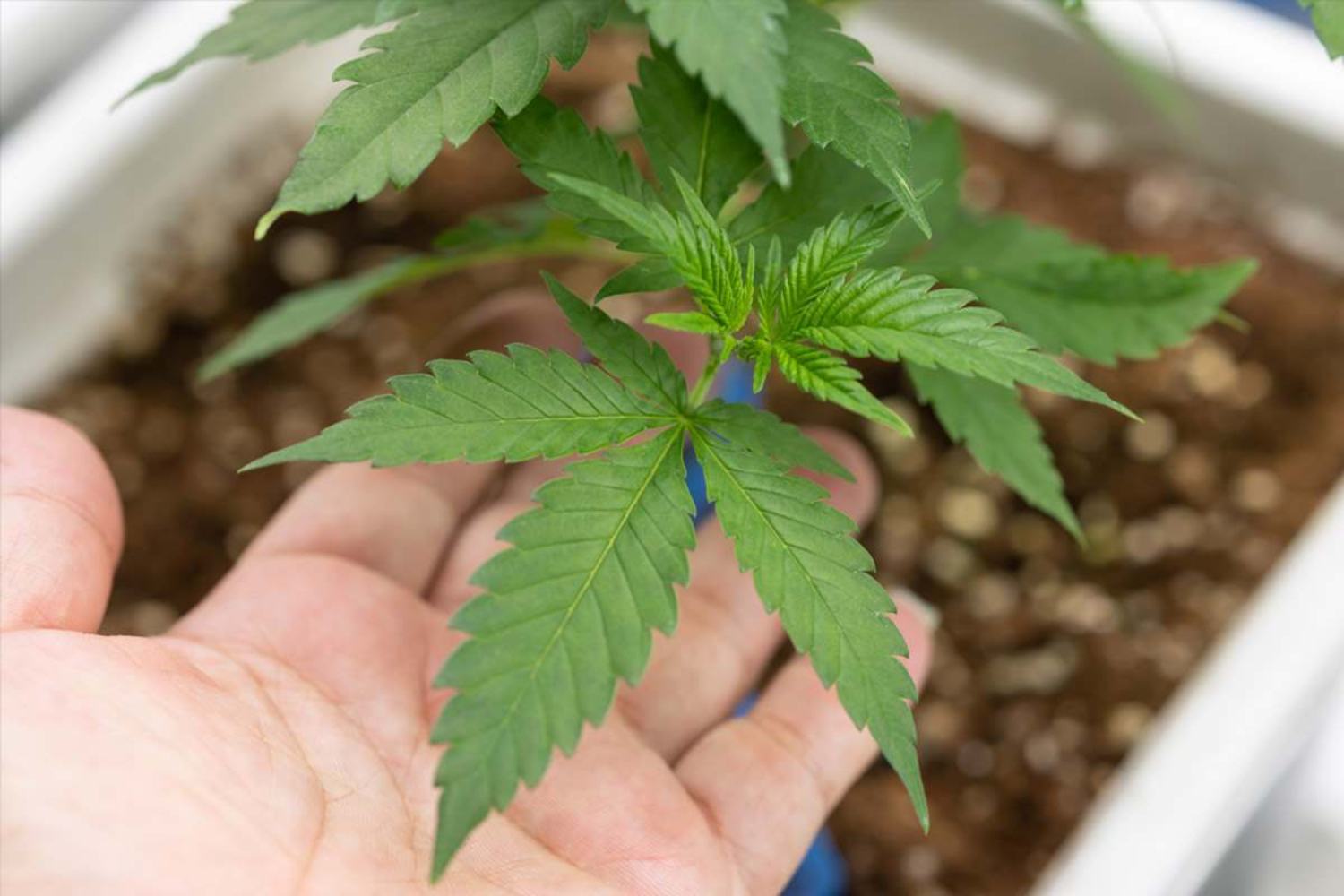
“Cannabis smoked today is three times more toxic than that of ten years ago“. To say it is Fernando Berreno, neuroscientist and professor at the Universidad Francisco De Vitoria of Madridin an interview with Syncthe information and scientific news of Spain.
According to the expert, the cannabis circulating in recent years is much more powerful than that of the past and also more dangerous for the health of the brain, especially in youth age.
The more THC, the more you risk?
According to what was declared by the professor, in recent years cannabis has undergone a significant evolution in terms of composition. The varieties currently on the market – which circulate both on the illegal and in those regulated in some countries – They contain concentrations of THC clearly higher than in the past.
As Professor Berreno explained:
All the energy that the plant would otherwise dedicate to the production of seeds is used to generate more resin and, therefore, they have a higher THC content.
The greater power of modern varieties is due to An increasingly push genetic selection to obtain very intense psychoactive effects.
If once the marijuana sold on the street contained on average 4% THC, today concentrations easily exceed 17%. This increase in “power”, however, is not without consequences:
The greater concentration of THC – continues the professor – is associated with a higher risk of side effects in the cerebral and mental level, especially in the youngest.
One of the most worrying aspects according to Berrenero is precisely the consumption of cannabis during adolescence. In this phase of life, the brain is still in full development and more exposed to the neurotoxic effects of the substances.
The brain of teenagers is particularly vulnerable to the action of THC. Consumption in this phase can interfere with the development of neuronal connections, increasing the risk of cognitive disorders, anxiety, depression and even psychosis.
Consumer -related disorders increase
According to what reported by the professor, in parallel to the increase in the THC content in cannabis, a Increase in consumption disorders, among the aforementioned anxiety, panic attacks, mood changes and psychotic symptoms.
The regular use of high -power cannabis cannot only alter cerebral plasticity, but also to create a form of dependence, often underestimated. And in some cases, according to the researcher, the consequences can last over time even after the suspension of consumption.
His invitation, therefore, is to prudenceespecially towards a substance whose composition has changed radically compared to the past, and that today It could have more serious effects than it is commonly believed.
Who is Professor Berrenero
Fernando Berreno is one of the major experts in Spain in the field of addiction neurobiology. Coordinates the Grupo de Neurobiología de los TrasTornos Por Dependencia y Ansiedad at the Facultod de Ciencias Experimentoles of the Universidad Francisco De Vitoria (UFV) of Madrid. His studies have been focused on the effects of the psychoactive substances on the brainin particular those of THC, the main active ingredient of cannabis.
His research group investigates in particular the effects of the consumption of cannabis in adolescence, a critical period for neurological development.
