
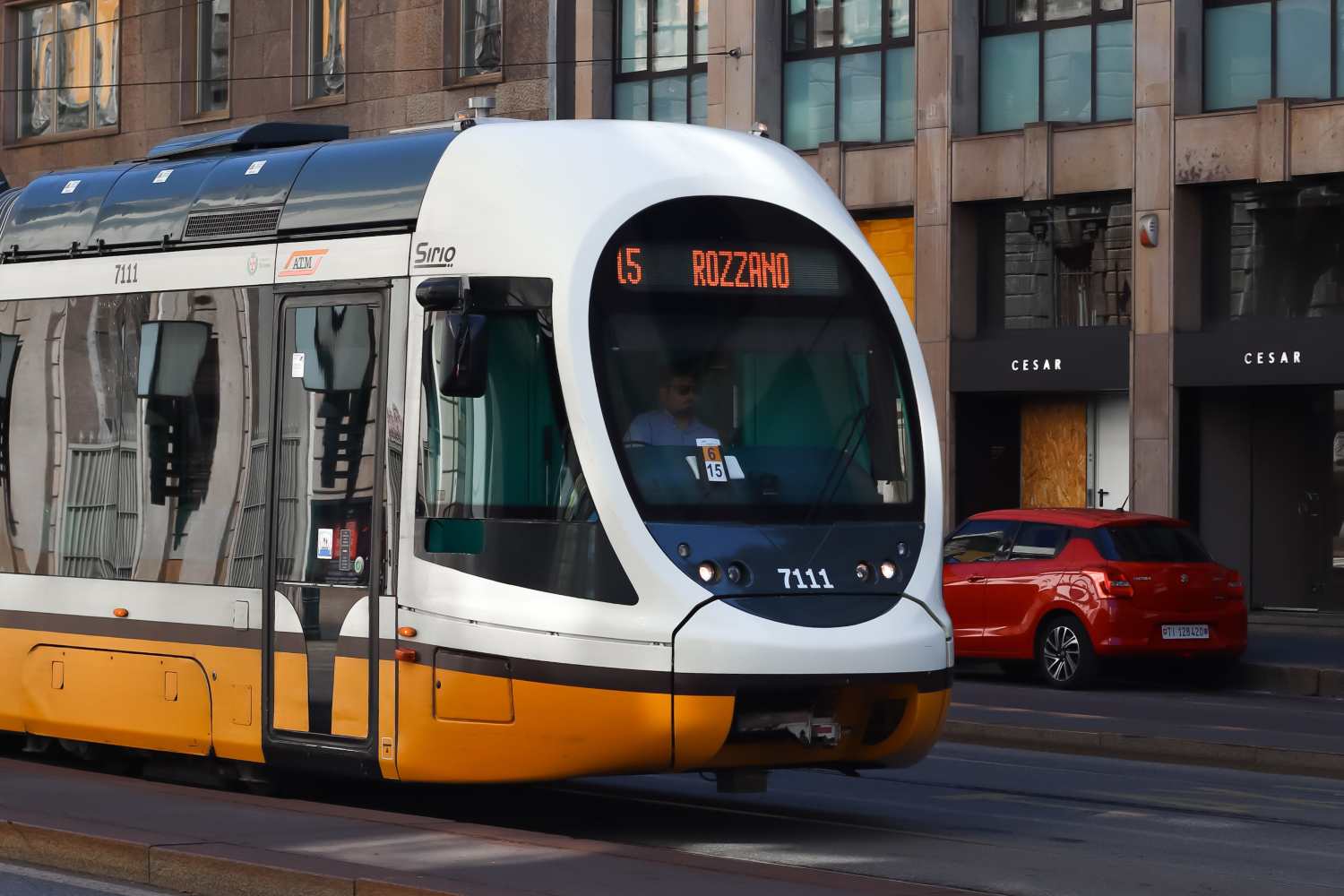
The Social Climate Plan, approved by the Meloni Government in implementation of EU Regulation 2023/955, marks a structural turning point in mobility support policies. Starting from 2027, the national measure introduced to counter the economic impact of the new ETS2 emissions trading system will guarantee an economic contribution of up to 400 euros per year. The primary objective is to protect vulnerable families and workers from increases in the price of fossil fuels and local public transport tickets, covering a time period that will extend until 2032.
Goodbye to click day: the merit ranking is here
Unlike past editions, the new concession abolishes the click day frenzy, introducing an assignment system guided by a ranking drawn up by the executive. The estimated potential audience is approximately 1.65 million beneficiaries per year. Requests will be evaluated through a score from 0 to 100, where the economic requirement is decisive: access is reserved for those who present an ISEE under 20 thousand euros. The scores are divided into three income brackets: 60 points for those who declare less than 10 thousand euros, 45 points between 10 thousand and 15 thousand euros, and 25 points in the bracket between 15 thousand and 20 thousand euros.
The calculation criteria and extra scores
In addition to the economic condition, the calculation rewards the distance in kilometers to the place of work or study: exceeding 30 kilometers guarantees 20 points, while journeys between 10 and 30 kilometers award 10 points (5 points under 10 kilometres). For unemployed and self-employed workers, reference will be made to the usual destination. The regulation assigns a further 10 extra points to those who do not own a car and another 10 points to those who have purchased a public transport season ticket in the recent past. Full and immediate recognition with 100 automatic points for family caregivers, people with disabilities and people who carry out continuous healthcare treatments.
Payable amounts and management via app
The contribution paid varies according to the final position obtained in the ranking: those who score at least 80 points receive the maximum amount of 400 euros, those between 55 and 79 points receive 200 euros, while between 35 and 54 points they get 100 euros. Below the threshold of 35 points no right to the benefit is accrued. The funds do not constitute a single-use voucher, but a personal credit lasting 12 months, not combinable with regional or municipal discounts, which can be spent on tickets and season passes. Operation will be guaranteed by the new Eco-Solidarity Mobility Platform (PMES) or via QR Code. For private companies, the right to integrate the sum for the benefit of their employees remains open.
The framework of local subsidies in 2026
While waiting for the implementing decree expected by March 2027, the year 2026 will not see the reconfirmation of the 60 euro national bonus, leaving room for local initiatives. In Lombardy, the Dote Trasporti and the Io Viaggio in Famiglia measure for under 14s stand out. Veneto provides a voucher of up to 200 euros for annual season tickets, while Piedmont supports the transition to public transport with reimbursements of up to 150 euros for students. Umbria applies 20% reductions on integrated tickets and in Rome the Metrebus season ticket for 50 euros reserved for under 19s continues.
