
In Brazil, a medical oncologist and a nutritionist have transformed the stories of their patients into a line of ice lollies designed specifically for those facing chemotherapy. Is called Tropovita and came to life in Caxias do Sul, in the Brazilian state of Rio Grande do Sul, from the collaboration between the doctor Janaina Brollothe oncology nutritionist Gisela Chissini Leoncio and the Tropino Gelateria, led by Rachelle Morés.
The idea was born by listening to those who experience chemotherapy first-hand. Several patients had in fact told the two professionals that they felt nausea even when eating classic ice lollies, often used to find some relief during treatment. The problem, they reported, was above all the presence of sugars and fats in some traditional preparations.
Hence the question: can we create something cold, pleasant and more suited to the needs of those who are undergoing cancer therapy?
Because cold can be useful during some chemotherapies
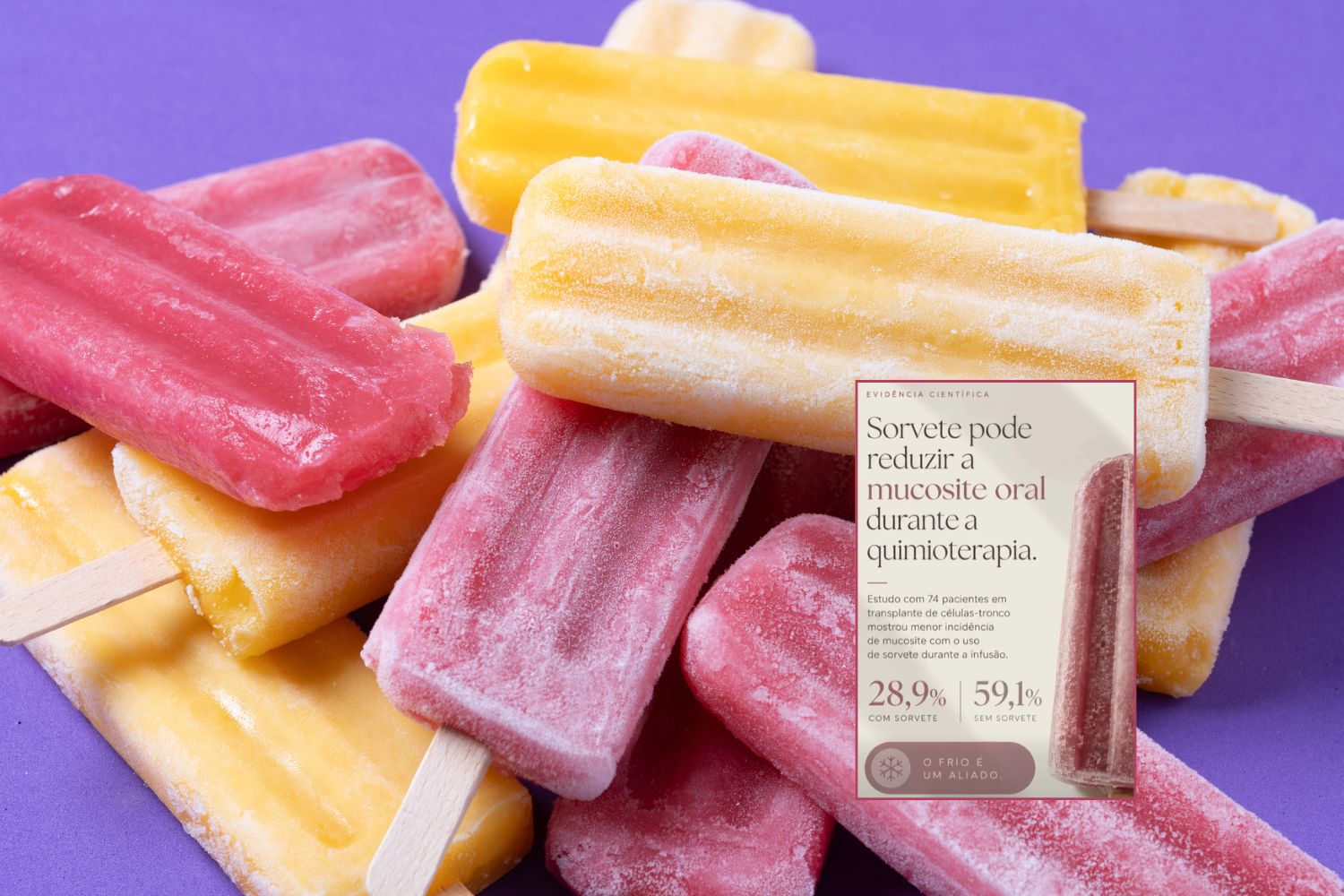
One of the side effects that can appear during some oncological treatments is oral mucositis, an inflammation of the mucous membranes of the mouth which can cause redness, ulcers, burning and pain, making it difficult to eat, drink or swallow.
In fact, chemotherapy can cause canker sore-like lesions in the mouth and gastrointestinal tract. Furthermore, in the presence of nausea and vomiting, some patients tolerate cold or room temperature foods better, including ice creams and jellies, so much so that so-called oral cryotherapy is used in some specific chemotherapy protocols: in practice the oral cavity is cooled, generally with ice, shortly before and during the administration of the drug.
The principle is relatively simple: the cold causes temporary vasoconstriction, that is, a reduction in blood flow in the mucous membranes of the mouth. With some chemotherapy drugs administered rapidly, this can briefly decrease the amount of drug reaching the tissues of the oral cavity and therefore the risk of mucosal damage.
However, it does not mean that eating a popsicle is automatically a therapy against mucositis. The usefulness of cryotherapy varies based on the drug used and the oncological protocol and must therefore be evaluated by the team following the patient.
Six popsicles developed with cancer patients in mind
The Brazilian line includes six recipes, built by combining fruit and other ingredients (without preservatives, hydrogenated fats, colors or artificial flavors):
Beyond the commercial names (some of which evoke “detox” or anti-inflammatory properties that should not be interpreted as proven therapeutic effects) the interesting thing is above all to create a cold food taking into account the real difficulties encountered by people during treatments.
They are not medicines
It’s important not to turn a good idea into a promise that science hasn’t yet proven. There are currently no published clinical studies on the Tropovita line that demonstrate that these specific ice lollies prevent or cure mucositis. The project must therefore be distinguished from oral cryotherapy used in the clinical setting, for which there is scientific literature and a specific indication in certain therapeutic contexts.
Even ingredients such as turmeric, ginger, açaí or flaxseed do not automatically transform the product into a “therapeutic” food. Furthermore, during oncology therapy, diet, supplements and particular foods must always be agreed with the doctor and nutritionist, especially when they can interfere with drugs or individual conditions.
The official presentation of the popsicles is scheduled for October 3, 2026, during the second edition of the Corrida Pela Cura, an initiative organized to support cancer patients in the city.
