
Brescia, historically known as the Lioness of Italy, preserves among its cobbled streets a heritage that goes far beyond the extraordinary vestiges of the Brixia Roman or the imposing monumental architecture. There is a deep wound, burned into the democratic conscience of the community on 28 May 1974, when a neo-fascist bomb exploded during a trade union demonstration in Piazza della Loggia, tragically killing eight people.
@RebeccaManzi/GreenMe
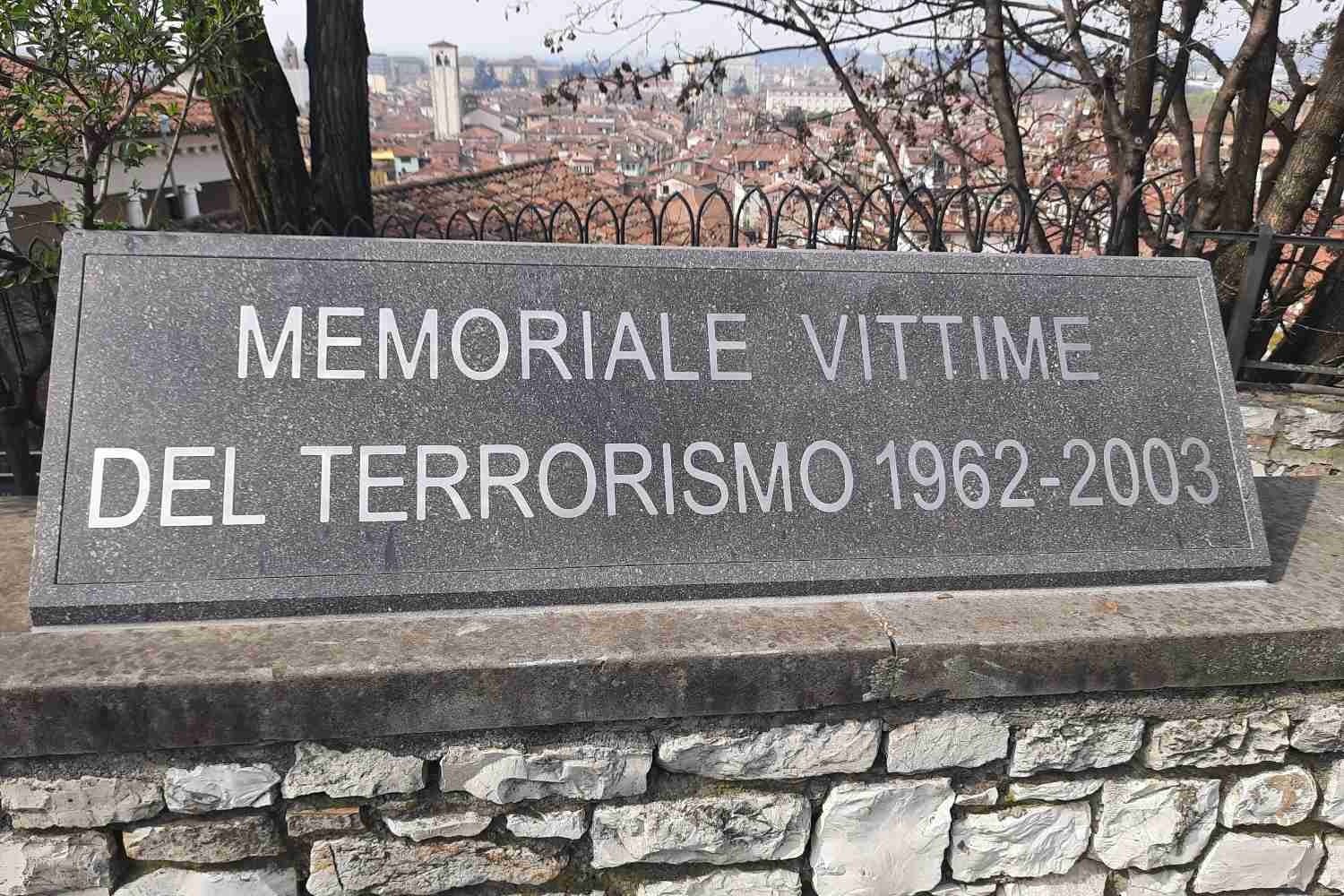
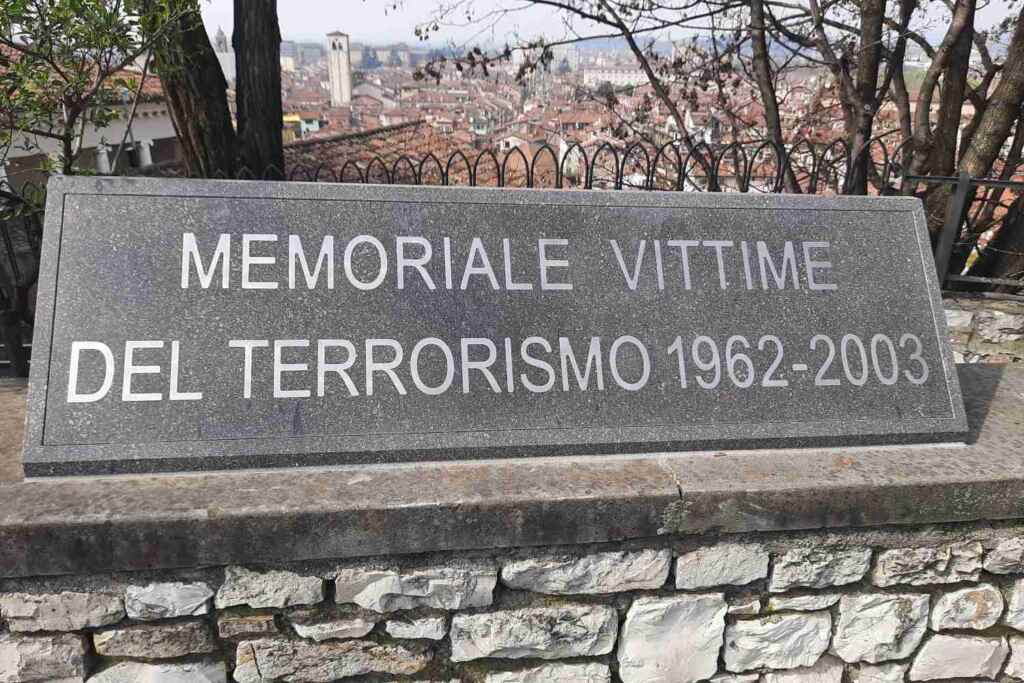
That dramatic event triggered an extraordinary civil reaction. Today the city responds to the violence of the past through a widespread monument unique at a national level, capable of uniting the historic city center to the top of Colle Cidneo in a single, moving path of moral redemption.
@RebeccaManzi/GreenMe
The widespread memorial and the path of dialogue between the panels of history
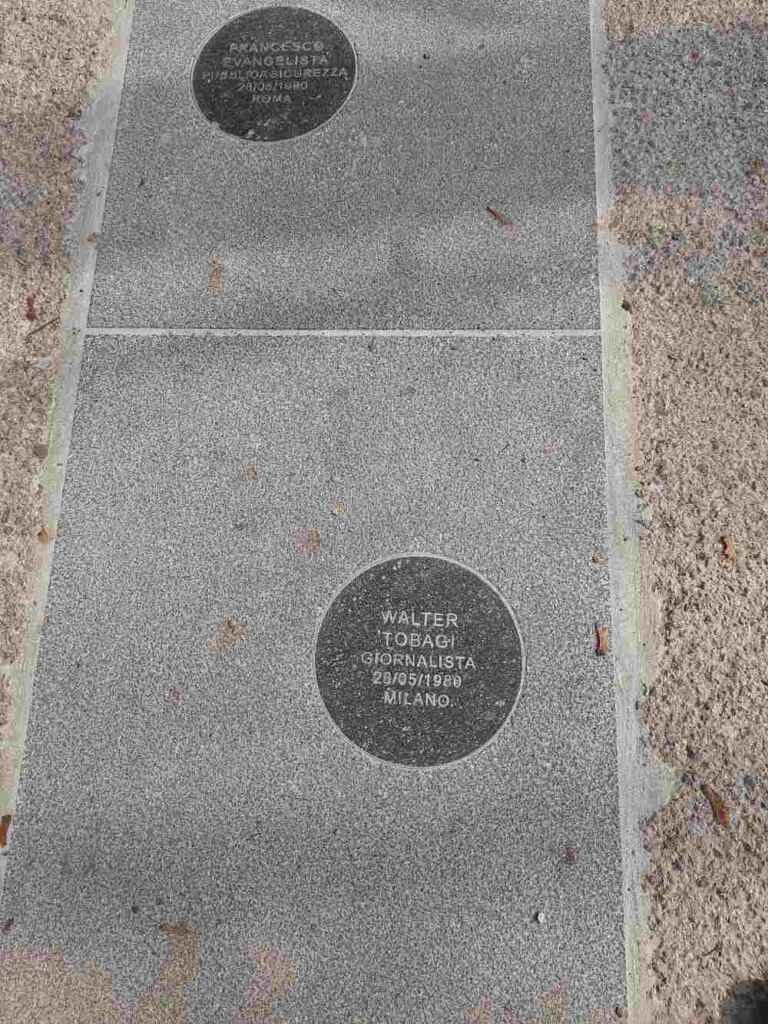
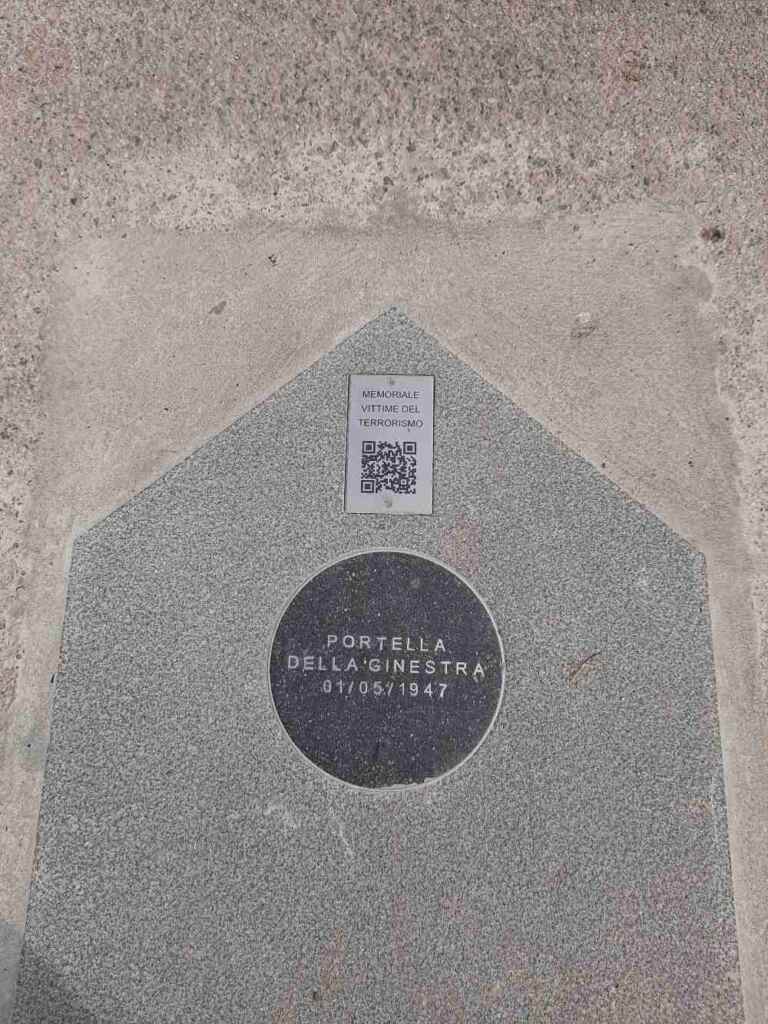
Born from the ideal inspiration of the lawyer Piergiorgio Vittorini, the Memorial to the victims of terrorism and political violence is a true open-air urban museum completed in the decade between 2013 and 2023. The original design, entrusted to the engineer Roberto Rezzola and subsequently integrated by the architect Marco Fasser with the support of the Rotary Brescia Vittoria Alata, gave life to a pedestrian itinerary marked by 441 stones of stumbling.
@RebeccaManzi/GreenMe
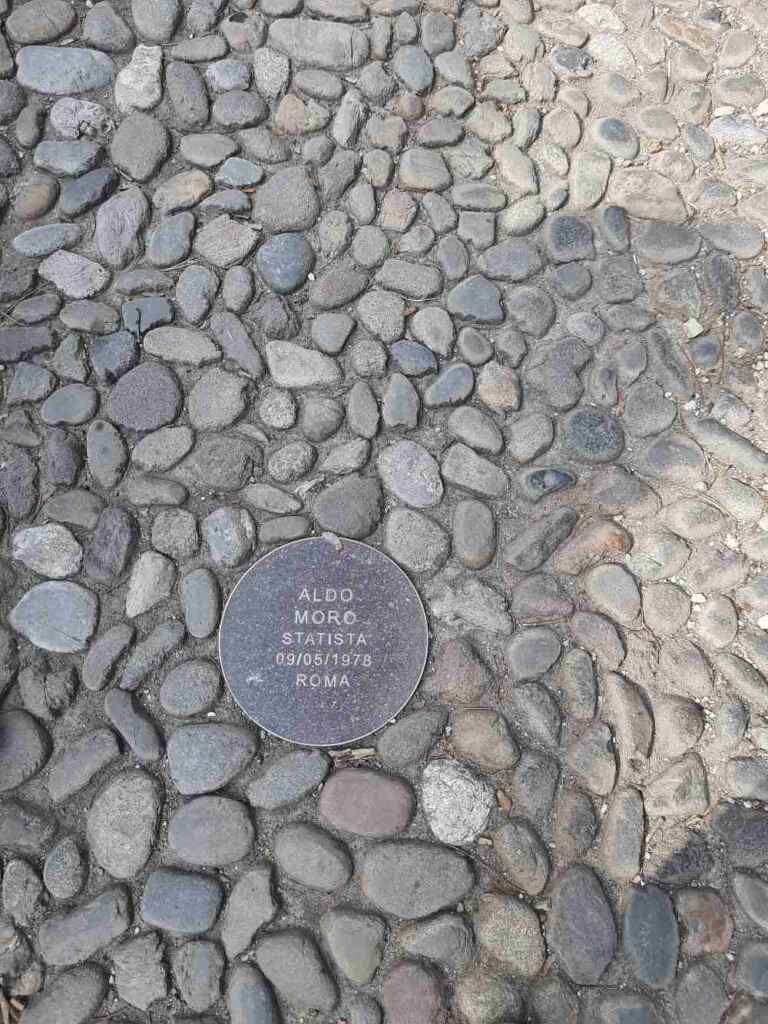
This sequence of panels engraved in the pavement commemorates the fallen of the political massacres perpetrated both in Italy and in the rest of the world. The route ideally unites the commemorative stele of Piazza della Loggia to the medieval fortress, covering a dramatic chronology.
@RebeccaManzi/GreenMe
The inscriptions recall international events including the Portella della Ginestra massacre in 1947 up to the massacre on the university campus of Garissa in Kenya in 2015, although the central nucleus focuses on the trail of blood that shocked Italy in the years of the strategy of tension, between 1962 and 2003. Every single tile trampled on holds a life plan broken by extremism and we could not help but feel moved as we walked through it.
@RebeccaManzi/GreenMe
The majesty of the Castle and the ideal link with the Risorgimento
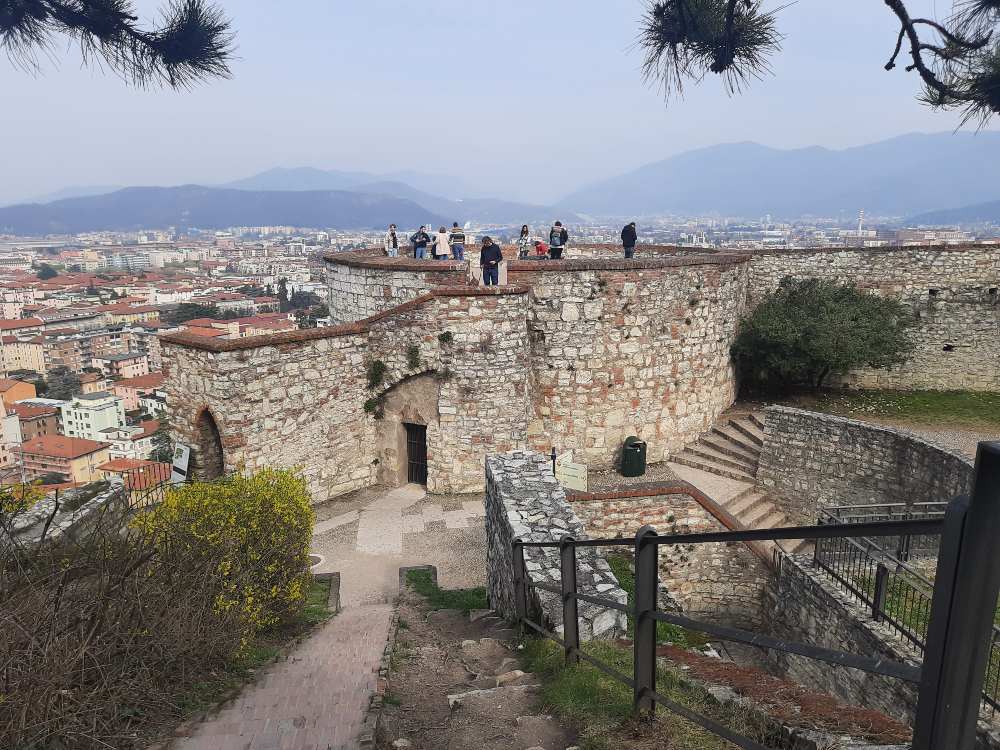
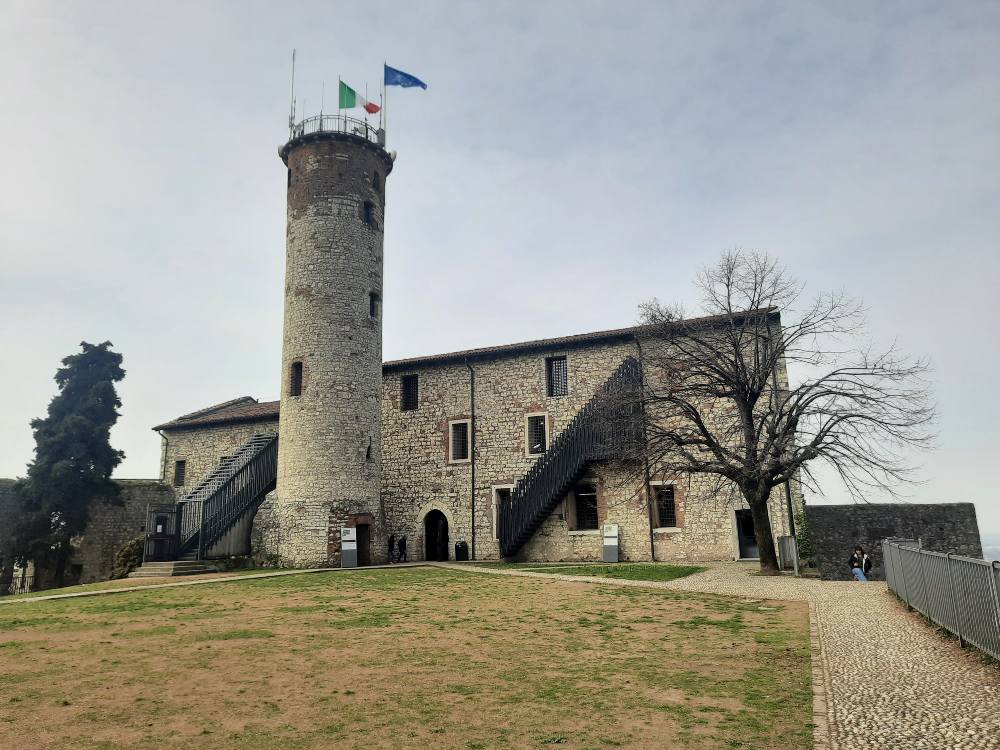
The journey of memory finds its natural and spectacular architectural culmination inside the Brescia Castle, an imposing medieval fortress that dominates the entire city panorama from the top of Mount Cidneo. Considered one of the largest and best preserved fortified complexes in Europe, the Castle welcomes visitors through a monumental sixteenth-century portal protected by the bastions of San Marco and San Faustino.
@RebeccaManzi/GreenMe
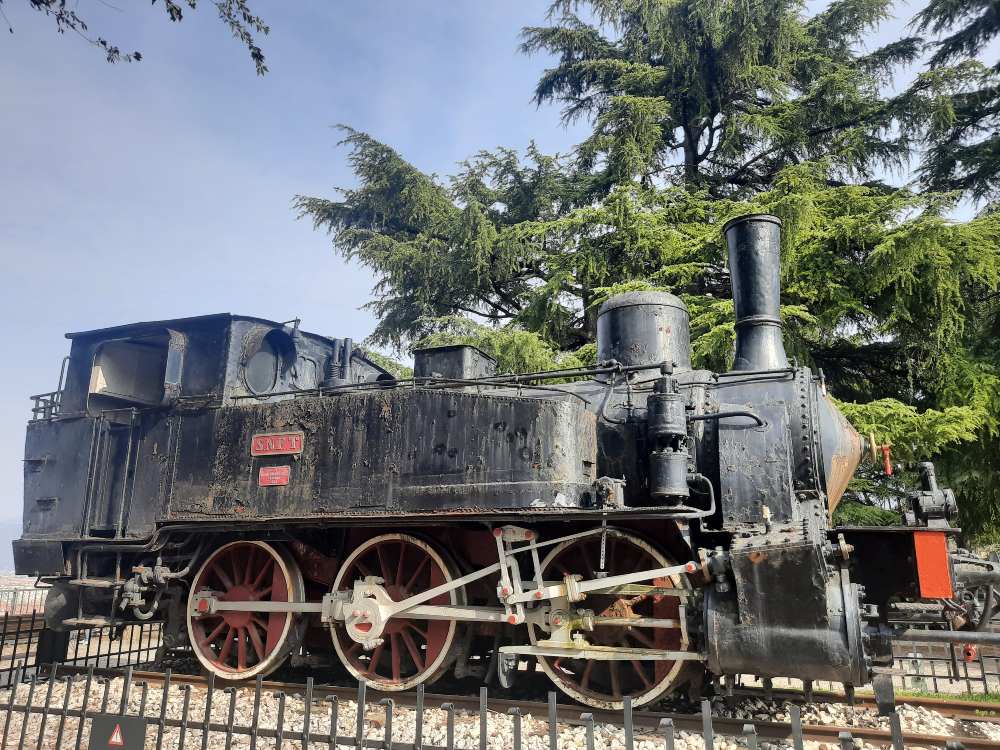
In addition to hosting historical elements of great charm, such as an old steam locomotive and the Luigi Marzoli Weapons Museum, the fortress houses the innovative Risorgimento Museum Lioness of Italy. It is precisely here that the emotional circle closes: a digital installation re-proposes the epic speech that Mayor Bruno Boni pronounced during the funeral of the victims of 1974, creating an ideal bridge between the Brescian heroism of the Ten Days of 1849 and the civil resistance against modern terror.
@RebeccaManzi/GreenMe
@RebeccaManzi/GreenMe
The unique peculiarity of Piazza Paolo VI and the two city Cathedrals
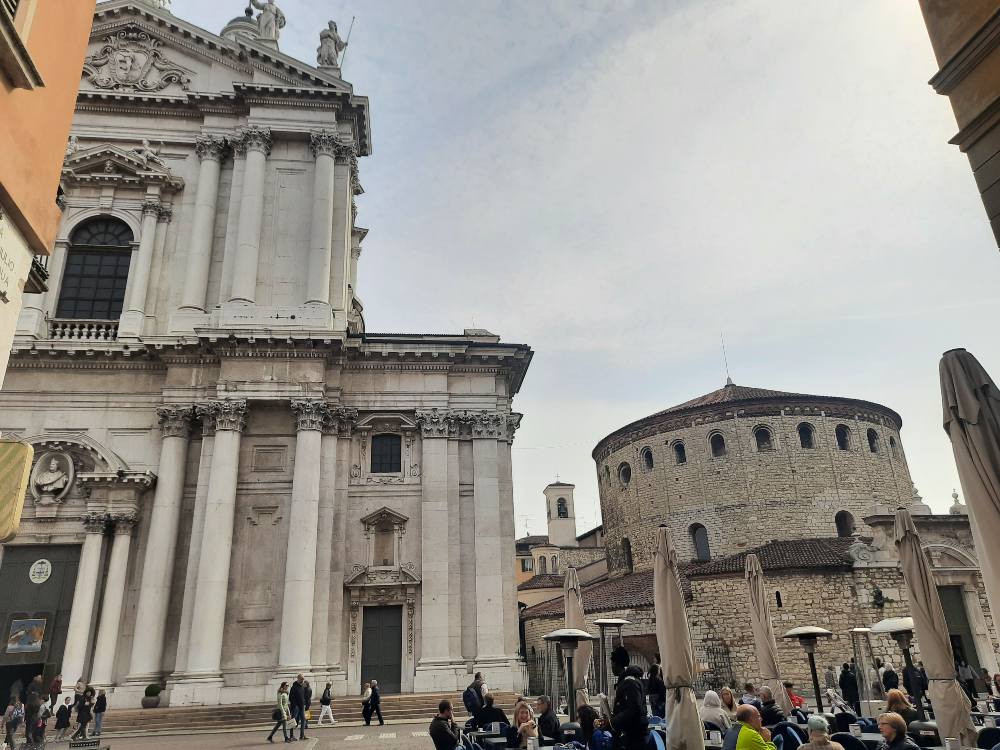
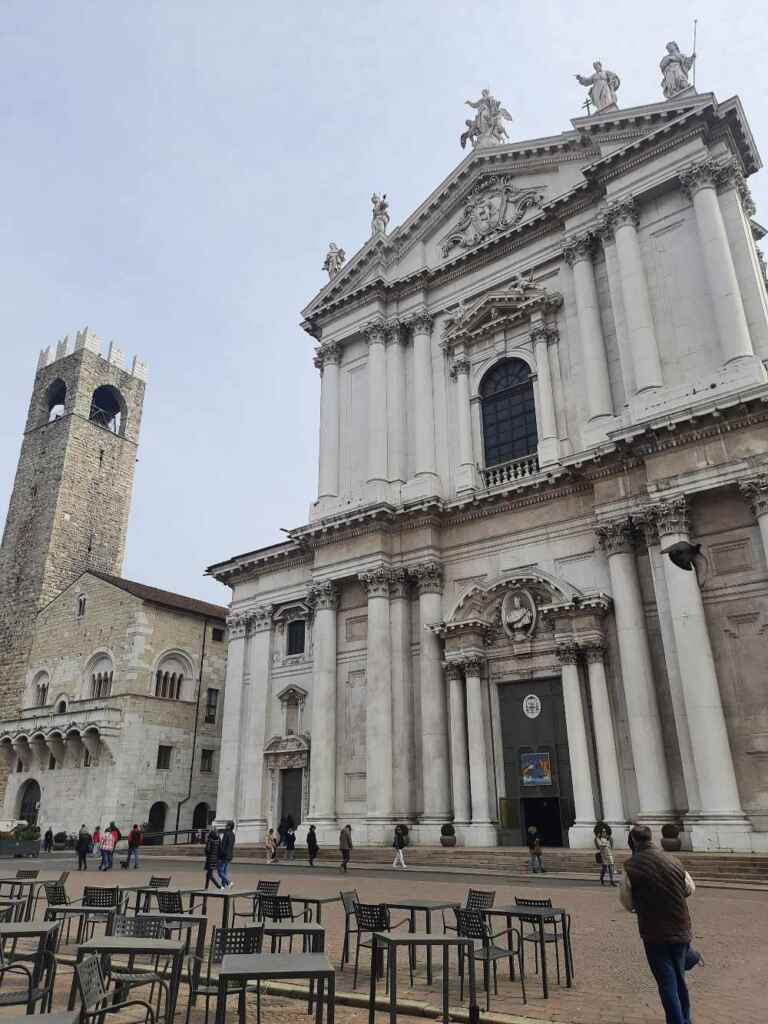
After this touching visit we moved towards the beating heart of city life which is organized around three adjacent squares. The first is Piazza Paolo VI, also known as the Square of the Two Cathedrals for a unique architectural feature in Italy: the co-presence of the Old Cathedral (La Rotonda) and the New Cathedral.
@RebeccaManzi/GreenMe
The first is the largest circular Romanesque temple still in existence, built around 1100, which is striking for its bare lines and precious later frescoes by masters such as Romanino and Moretto. At its side stands the baroque façade of the Duomo Nuovo, whose majestic blue dome is among the highest in Italy. The square is bordered by Palazzo del Broletto, an ancient medieval building now the administrative headquarters.
@RebeccaManzi/GreenMe
From the Venetian style of Piazza della Loggia to the rationalism of the rhinoceros
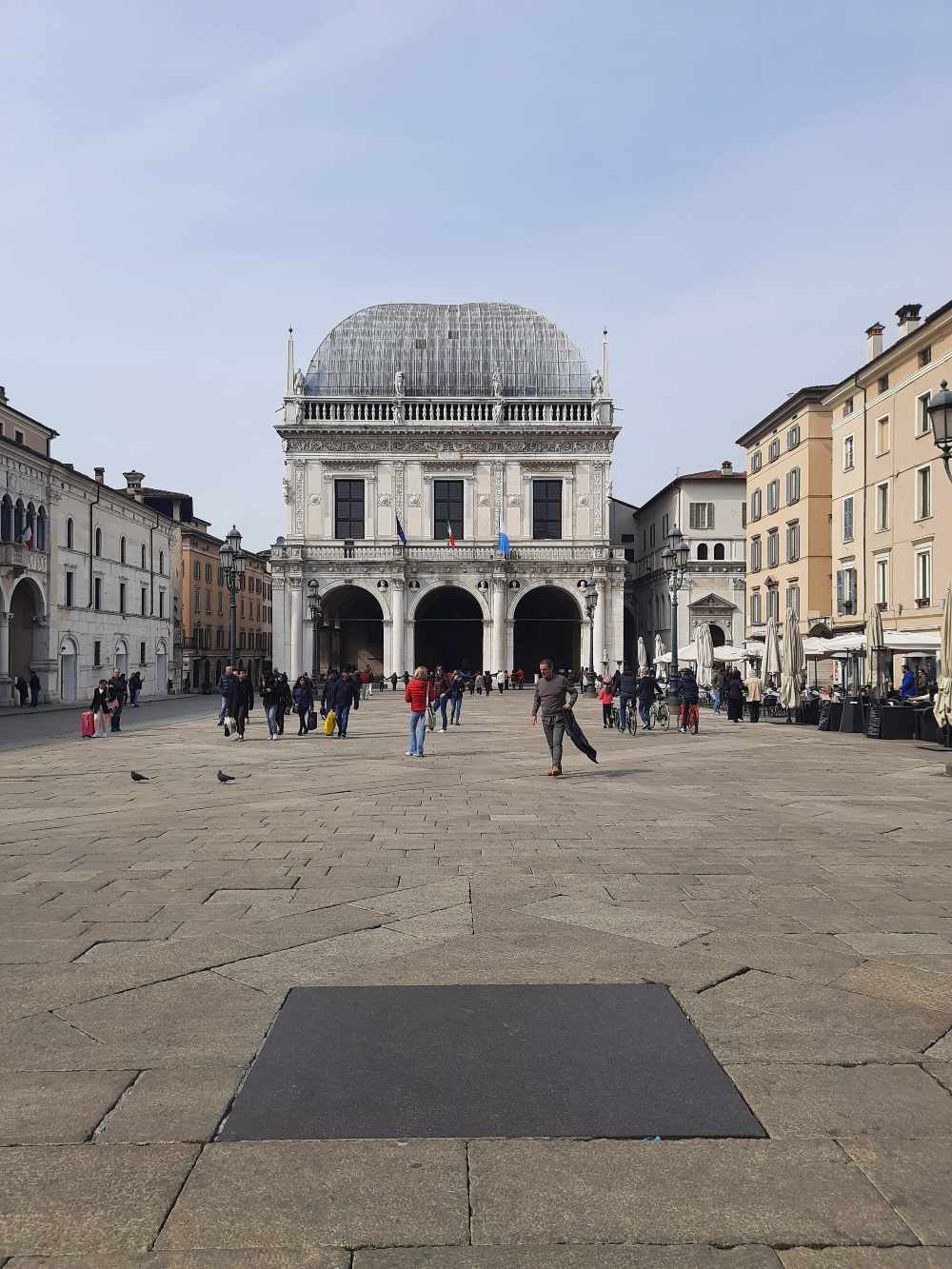
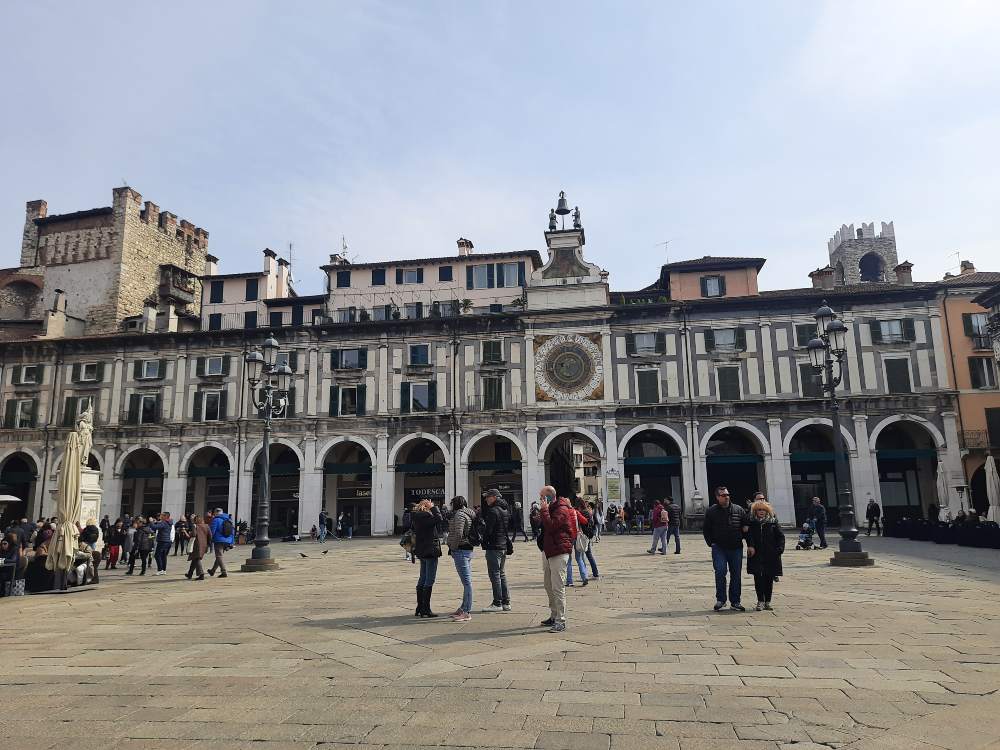
A few steps away is Piazza della Loggia, the most beautiful in the city due to its evident Venetian stylistic imprint. The western side is entirely dominated by the sixteenth-century Palazzo della Loggia, seat of the Municipality, while on the opposite side stands the Clock Tower with its ancient astronomical mechanism.
@RebeccaManzi/GreenMe
@RebeccaManzi/GreenMe
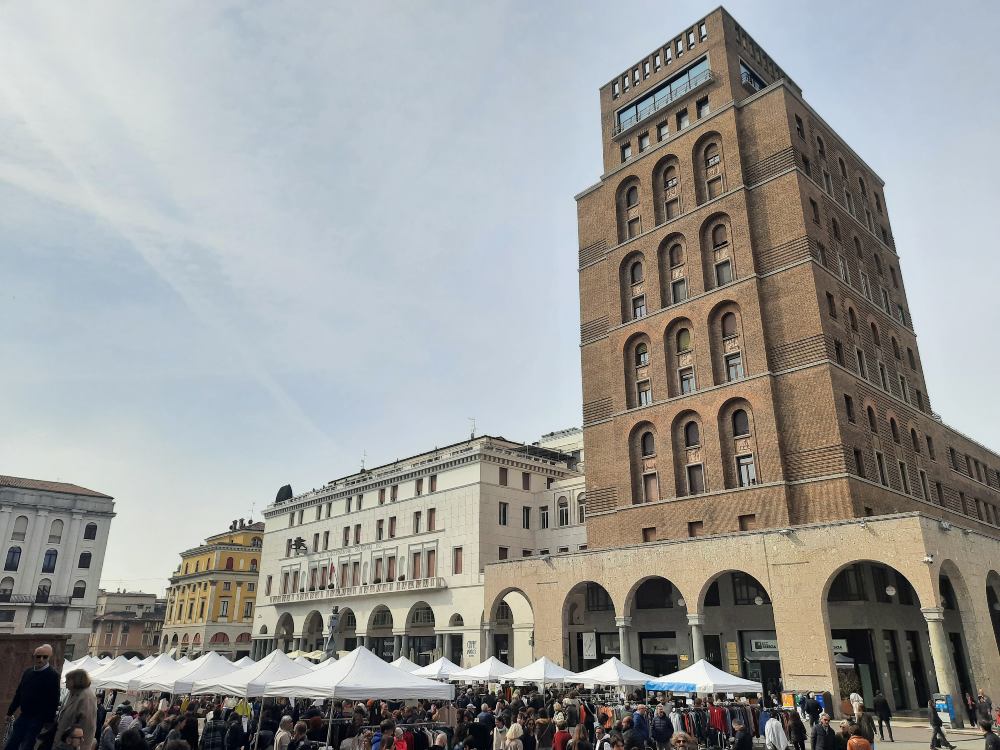
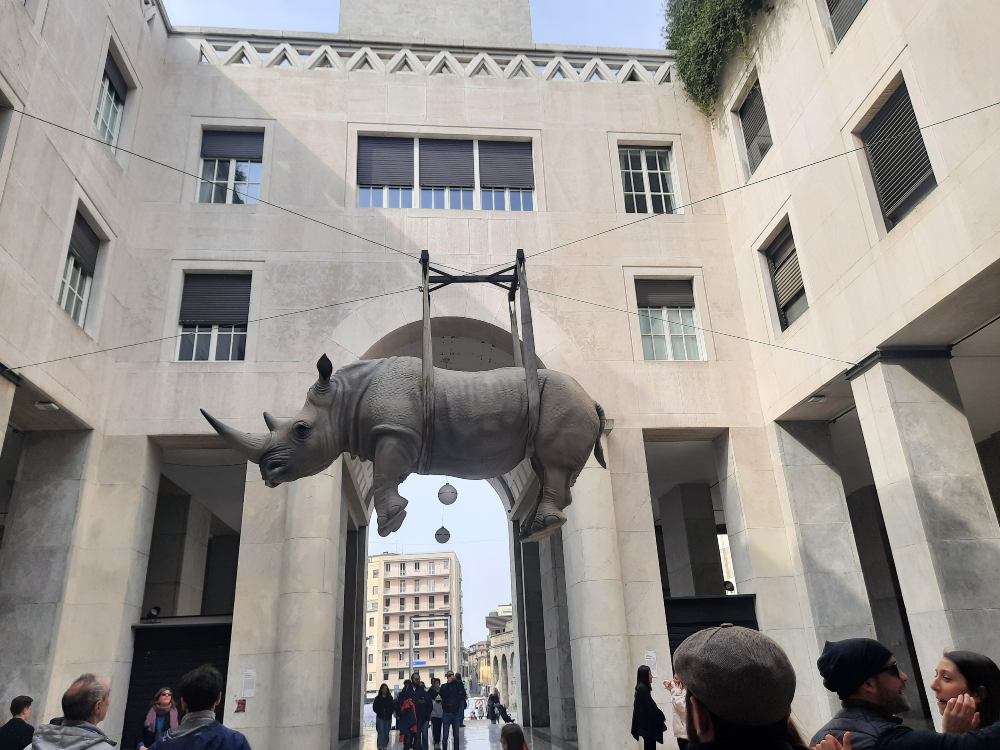
Finally, our itinerary reached Piazza della Vittoria, a superb example of rationalist architecture which houses the Post Office and the Saturday market. To ideally unite the squares, we found the incredible contemporary art installation of the suspended rhinoceros, a famous sculpture shaped by the artist Stefano Bombardieri.
@RebeccaManzi/GreenMe
@RebeccaManzi/GreenMe
