
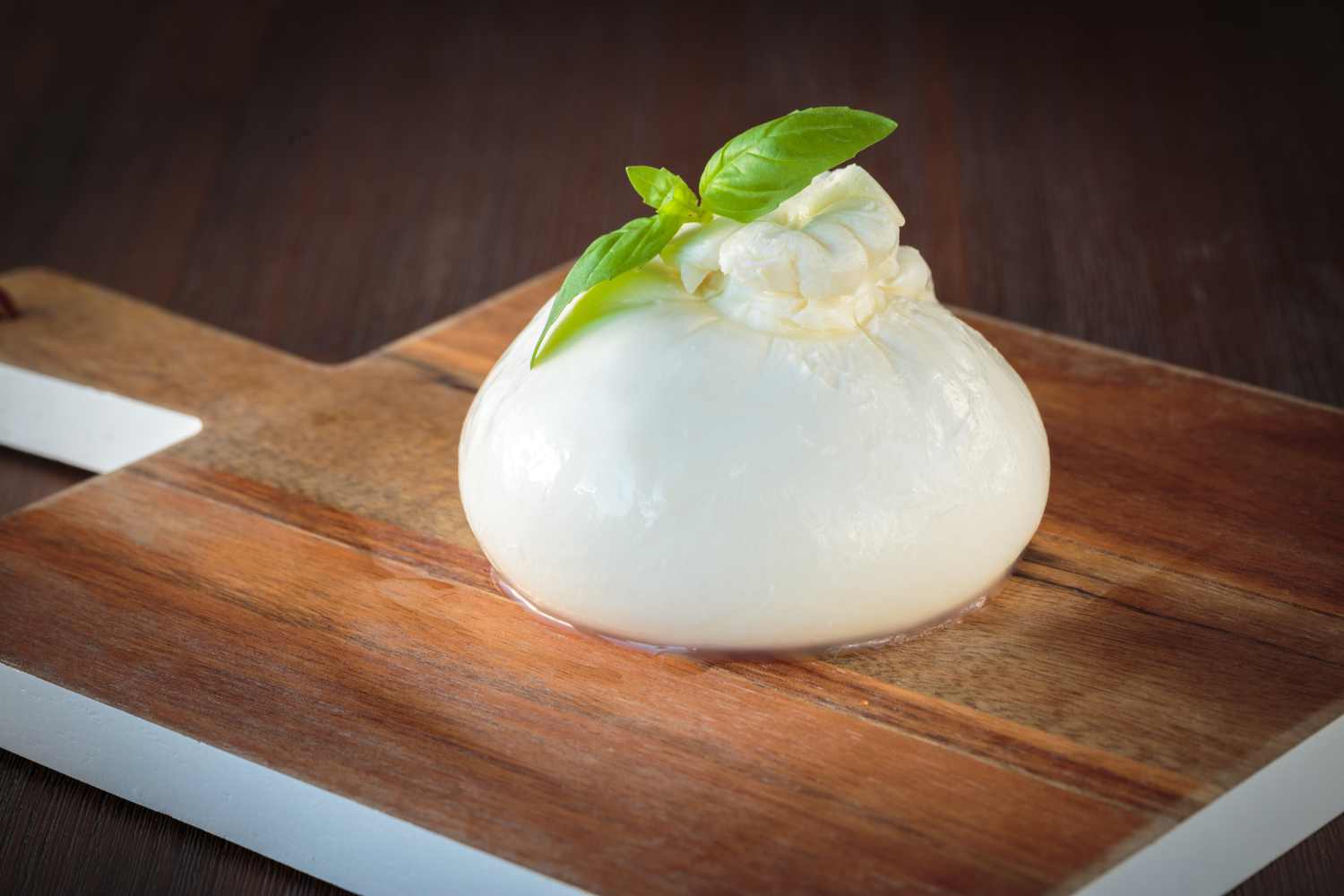
Opening a burrata is a gesture that anticipates a small show: a light pressure of the knife and immediately the creamy heart comes out, letting pour threads of cream and stracciatella on the plate. At that moment we understand the profound difference that separates the burrata from the mozzarella, although both come from the same lactic and white world that lives the Italian tables. Let’s see better understand the differences between the burrata and other types of Italian mozzarella.
A soft heart inside a shell of spinned pasta
The burrata Born in Pugliain the Andria area, in the heart of the Murge, like brilliant response to the reuse of advanced yarn pasta. It looks like a bag of mozzarella paste that contains fresh cream and sticks of mozzarella inside, the famous stracciatella. This structure gives it a unique consistency: externally the surface remains firm, smooth, shiny, while the interior surprises for its creaminess, for that full flavor that melts on the tongue and wraps the palate in a caress of milk.
Unlike classical mozzarella, which maintains a uniform consistency, The burrata offers two souls in one bite: the resistance of the paste -span paste and the enveloping softness inside.
Differences between burrata and mozzarella fior di milk
When it comes to mozzarella, it often refers to the flor of milk, a fresh spin -paste cheese made with cow’s milk. Fior di Latte has one elastic consistencya delicate flavor, a lucid surface, a slight crunchiness to the bite. It adapts well to multiple preparations, from pizza to salads, becoming silent but fundamental protagonist of Italian cuisine.
The burrata, despite being also made with cow’s milk in most cases, differs for the internal heart of cream that completely changes the taste experience. Fior di Latte remains compact and clean, while the burrata gives up and welcomes, with that soft casting that makes it a pleasure even simply seasoned with a drizzle of extra virgin olive oil.
And the buffalo mozzarella?
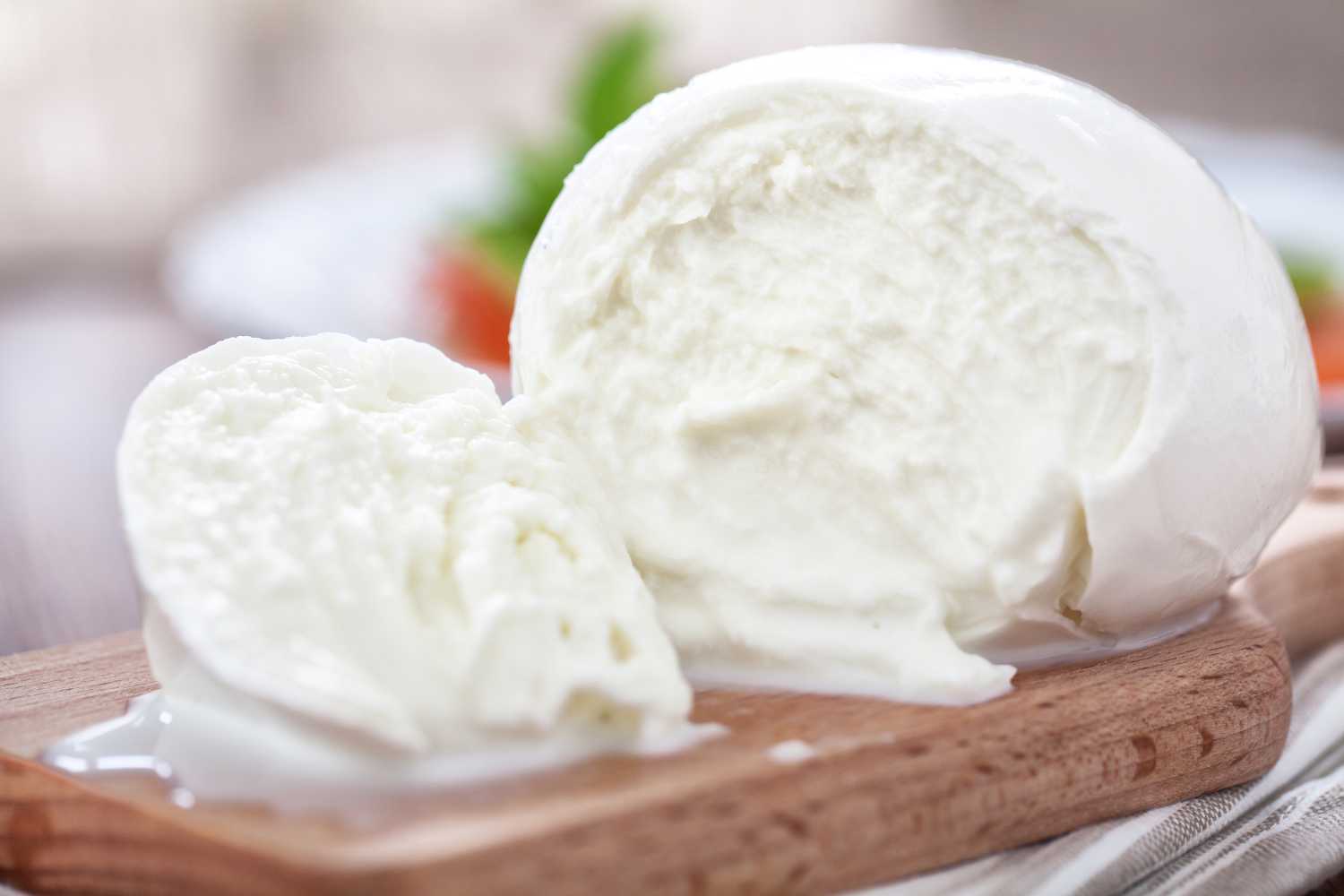
Another chapter, necessary to open, concerns buffalo mozzarella, produced with buffalo milk, especially in the areas of Campania and Lower Lazio. Buffalo milk gives cheese to a more intense flavora light acidule note, one greater flavor It is a more elastic consistency than the Fior di Latte. The color tends to porcelain white and the surface appears more humid to the touch, with small drops of serum that testify to its freshness.
The burrata can also be produced with buffalo milkin rarer and valuable versions, even if the substantial difference always remains the presence of the stracciatella inside. Here too, the burrata stands out for the double nature: an surface reminiscent of mozzarella, an interior that transforms it into a pampering.
How to taste the burrata at best
The burrata does not require elaborate recipes to express the best of itself. You need a net cut, a simple dish, a few basil leaf, a drizzle of extra virgin olive oil and, if you want, a sprinkling of black pepper. Accompanied by hot bread and fresh vegetablesbecomes a small daily luxury. The creaminess makes it ideal for appetizers, to season a raw pasta and as a filling of freshly baked focaccia.
A fresh product, to be consumed immediately
Between the differences that separate the burrata from mozzarella, the perishability occupies a central role. The burrata must be consumed quicklywithin one or two, because its interior tends to ferment easily, altering its flavor and consistency. The mozzarella, on the other hand, maintains a slightly higher durationwhile also requesting a fresh consumption to appreciate all its organoleptic qualities.
A symbol of the Italian tradition
The burrata represents one of the many symbols of the Italian dairy tradition. Tells a story of simplicity and ingenuity, born for recover excess milk and transformed into a product of excellence, capable of conquering kitchens from all over the world.
Knowing the difference between burrata and mozzarella means appreciate the shades of our cuisineunderstand that behind a simple white cheese there is a world of passion, technique and territory. And the next time you find it on the market counter or on the restaurant menu, you will be able to recognize it and give it the place it deserves, among the excellence that make our table a precious heritage.
Don’t you want to lose our news?
