
Every year the Wellbeing Research Center at the University of Oxford publishes the World Happiness Report, one of the most authoritative global wellbeing reports in the world. The 2026 edition involved interviewees in 147 nations, assessed on parameters such as health, education, perceived freedom and trust in institutions. What emerges is a map of happiness, and unhappiness, that goes far beyond GDP.
Afghanistan: last out of 147
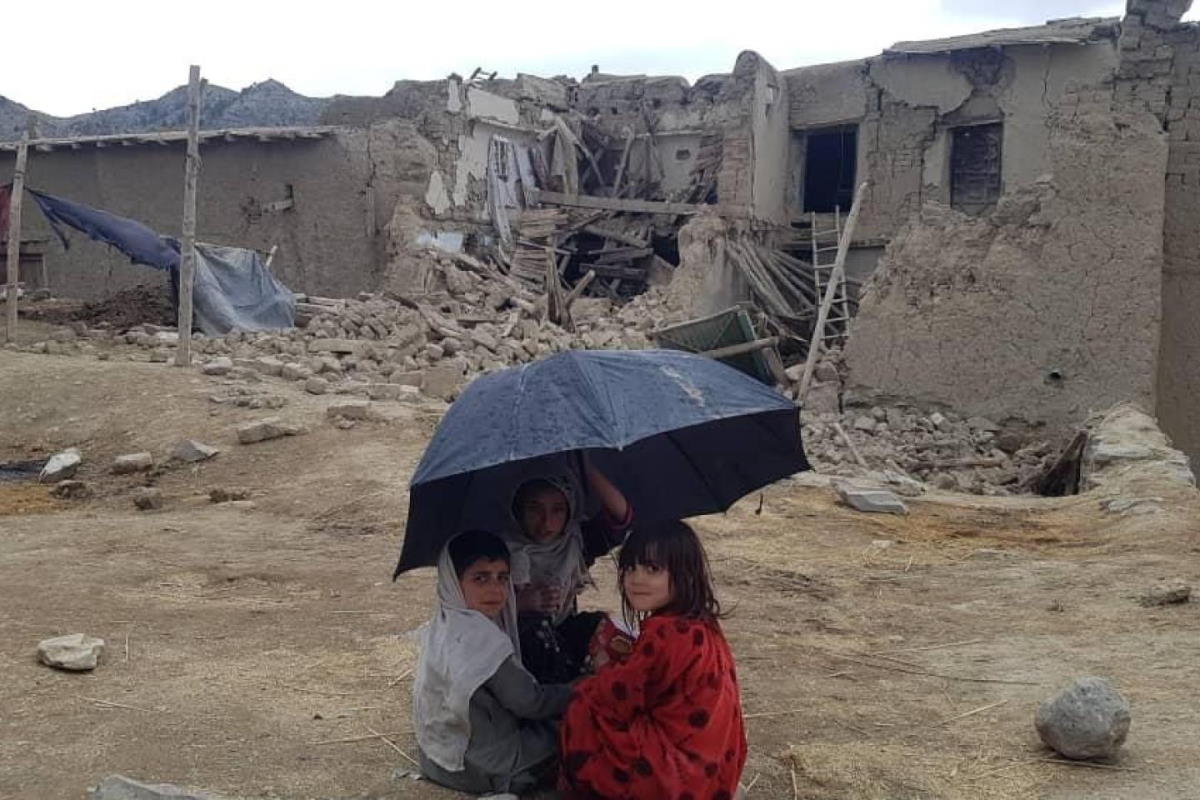
With a score of just 1.4 out of 10, Afghanistan closes the table. A number that tells, more than any analysis, the condition of a country devastated by decades of war, extreme poverty and systematic repression. Almost non-existent healthcare, education denied to women and girls, personal freedoms reduced to a minimum, trust in institutions eliminated. The last place is not a surprise: it is the confirmation of an endless humanitarian crisis.
The complete ranking: who is happy and who is not
At the other extreme is Finland, which for the ninth consecutive year has won the title of happiest country in the world, with a score of 7.76. Iceland and Denmark complete an all-Northern European podium, while the real surprise of the 2026 edition is Costa Rica in fourth place — the best result ever for a Latin American country. No English-speaking country makes the top ten.
Italy stops in 38th place, with a score of 6.57, penalized by geopolitical instability and international tensions.
Top 10:
- Finland
- Iceland
- Denmark
- Costa Rica
- Sweden
- Norway
- Netherlands
- Israel
- Luxembourg
- Swiss
Happiness is not just wealth
The data shows that economic well-being alone is not enough. The Nordic countries dominate thanks to a social model based on collective well-being, the relationship with nature and values such as mutual trust. The Finns call it sisu: a form of inner resilience that has no direct equivalent in any other language.
A worrying chapter concerns young people: prolonged use of social media, over seven hours a day among adolescents in 47 countries, according to the PISA study, is associated with significantly lower levels of well-being. The obsessive comparison with other people’s lives presented as perfect and the reduction of real relationships are eroding the happiness of new generations all over the world.
