
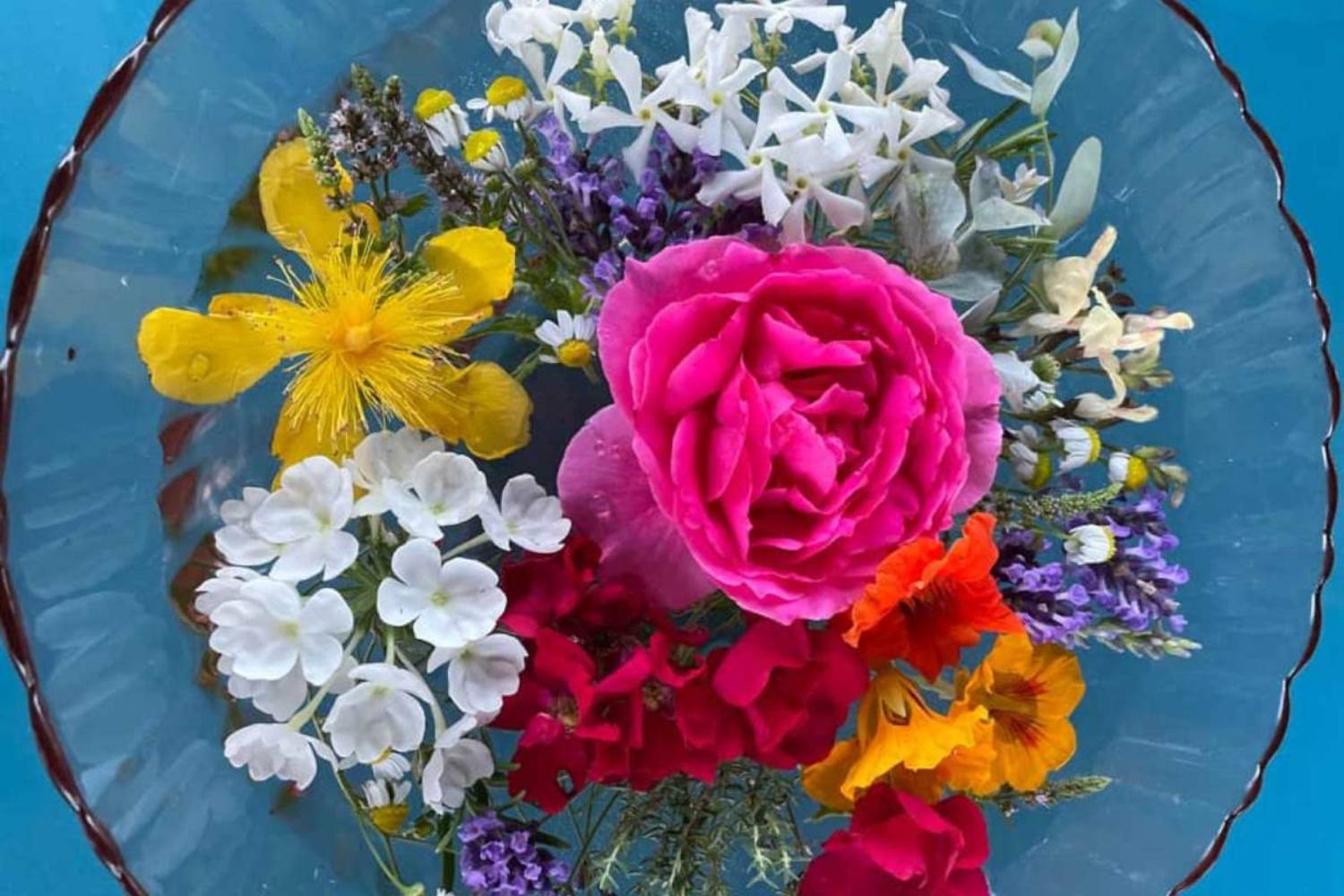
The night between 23 and 24 June is the time when the traditional water of San Giovanni is prepared, one of the most beloved rituals of the beginning of summer. According to tradition, flowers and aromatic herbs are collected and left in a basin of water outdoors all night, so that they absorb the dew considered symbolically beneficial and protective.
But which plants are really put in the water of San Giovanni? There is no single recipe valid throughout Italy. The herbs used vary from region to region and often depend on what is growing wild in lawns and gardens at this time of year. Some, however, appear with particular frequency in popular traditions.
St. John’s wort, the herb symbol of St. John’s night
Of all the plants associated with this occasion, St. John’s wort is probably the most famous. Also known as “St. John’s wort”, it reaches full flowering at the end of June.
In popular tradition it was considered a protective plant, capable of warding off negative energies, the evil eye and bad luck. Its yellow flowers, which recall the summer sun, have made it one of the most representative symbols of the anniversary for centuries.
Lavender, symbol of serenity and harmony
Lavender is one of the most used plants to perfume the water of San Giovanni. Its purple flowers and intense scent have always made it associated with calm, serenity and balance.
In popular traditions it was also often used to purify domestic environments and promote the well-being of the family.
Rosemary, plant of protection
Present in many Mediterranean gardens, rosemary is almost never missing from San Giovanni water.
Since ancient times it has been associated with memory, life force and protection. Its scented twigs were used in numerous popular and religious rituals as a symbol of good luck.
Sage, linked to health and long life
Sage is also a frequent presence. Its very name comes from Latin salvuswhich means “healthy.”
In popular culture it was considered a beneficial plant, associated with health, vitality and the ability to face difficulties with greater strength and clarity.
Mint, symbol of energy and renewal
Thanks to its fresh and intense scent, mint is often added to San Giovanni water together with other aromatic herbs.
In popular beliefs it represented renewal, freshness and the ability to leave behind what belongs to the past to welcome a new season.
Roses, between love and beauty
Many people also add rose petals to the water, especially if they are present in their garden.
The rose is traditionally associated with love, beauty and harmony. Its colored petals also make the water particularly suggestive and fragrant.
A tradition that changes from region to region
@Veronica Fontanarosa/Facebook Greenme
Alongside these plants, many local traditions include the use of lemon balm, chamomile, cornflower, artemisia, thyme, mallow, elderberry and other spontaneous species collected in the fields.
Rather than following a rigid recipe, the custom was born from the idea of harvesting the gifts of nature when it reaches its maximum abundance. For this reason every family and every territory have developed their own version of San Giovanni water over time.
Do you need a precise recipe?
Probably not. The symbolic value of this tradition does not depend on the number or variety of herbs used, but on the gesture of harvesting itself and the connection with the rhythms of nature.
Whether you choose just a few flowers from your garden or a richer blend of aromatic herbs, the water of San Giovanni still continues to represent a simple ritual that celebrates the arrival of summer and the bond between people, territory and popular traditions.
To correctly prepare the water of San Giovanni and discover all its origins and meanings, you can read our complete guide dedicated to the tradition.
On the night of San Giovanni you might also be interested in:
