
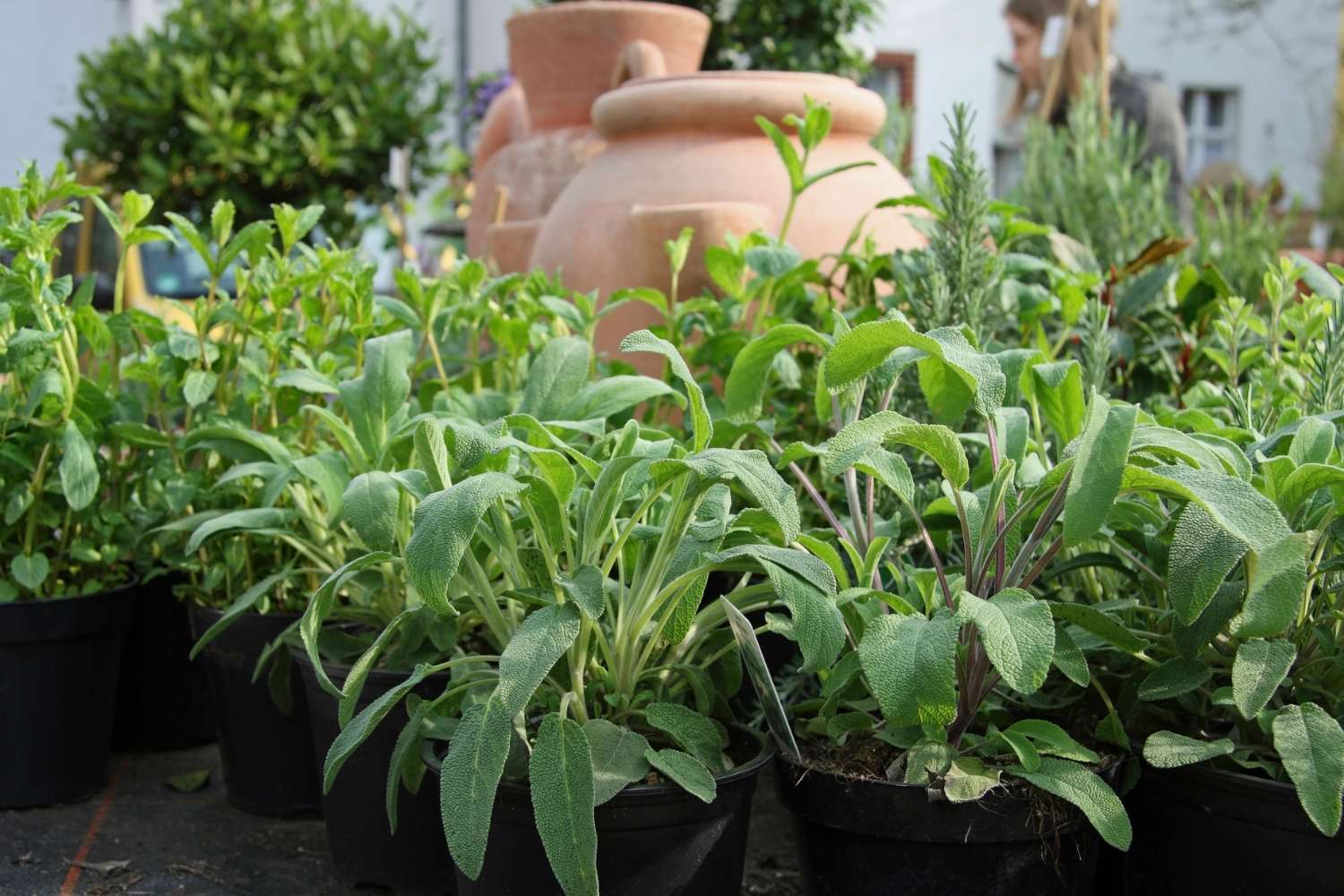
Just touch a leaf to recognize it: sage has an intense, almost familiar scent, which immediately recalls Mediterranean vegetable gardens and kitchens of the past. It is one of the most common aromatic plants in our homes, grown in pots on balconies or in the sunny corners of gardens. The culinary use is certainly the best known, from the classic butter and sage to roasts and vegetables, but there is a much broader history behind this plant. For centuries, sage has been considered a precious presence in home gardens, thanks to its good resistance, multiple uses and its link with popular tradition.
A plant present in gardens for centuries
The name salvia comes from Latin salvuswhich means “healthy” or “safe”, a reference to the value attributed to this plant already in the ancient world. The Romans knew it and used it, while in the following centuries it permanently entered the gardens of homes and monasteries. It was a practical plant, which grew easily, required little attention and offered aromatic leaves available in every season. For this reason, in the Italian countryside it often found its place near houses, alongside other herbs useful for daily life. Sage was part of that small green heritage that every family kept: simple plants, capable of accompanying cooking, home care and habits handed down over time.
A perfect plant for the balcony
Sage is one of the aromatics most suitable for growing in pots. It loves the sun, tolerates heat well and, with the right conditions, can live for several years. A bright balcony and draining soil are sufficient for it to grow. The velvety leaves release their aroma every time they are touched, transforming even a small outdoor space into a fragrant corner. Having a sage plant near the kitchen also means harvesting only the quantity needed at the moment, avoiding purchasing disposable packs of aromatic herbs.
A flower loved by pollinators
During flowering, sage shows another side: small, colorful flowers appear from its stems and attract bees, bumblebees and other pollinating insects. Even a simple pot on the balcony can become a small resource for urban biodiversity. In the city, where every green space counts, choosing some aromatic plants can help create more favorable environments for these animals.
Does the scent of sage keep insects away?
The intense scent of sage is linked to the essential oils present in its leaves. Precisely these substances have led over time to its association with the ability to keep certain insects away. Studies on some aromatic components of the plant have analyzed possible repellent effects, but a single pot on the balcony has above all an aromatic and ornamental value. To truly protect environments from insects, specific strategies are needed.
How to grow sage in pots
Sage is a plant also suitable for those approaching gardening for the first time. The most important thing is to avoid water stagnation, since the roots prefer dry and well-drained soil. The pot must be placed in a bright area, while watering must follow the conditions of the soil. In summer it may need more water, but during the cold months the plant slows down its growth. Light pruning helps keep it compact and stimulates the production of new branches. With a little attention, sage can become a stable presence in your spaces: an ancient plant that continues to find space in modern homes.
