
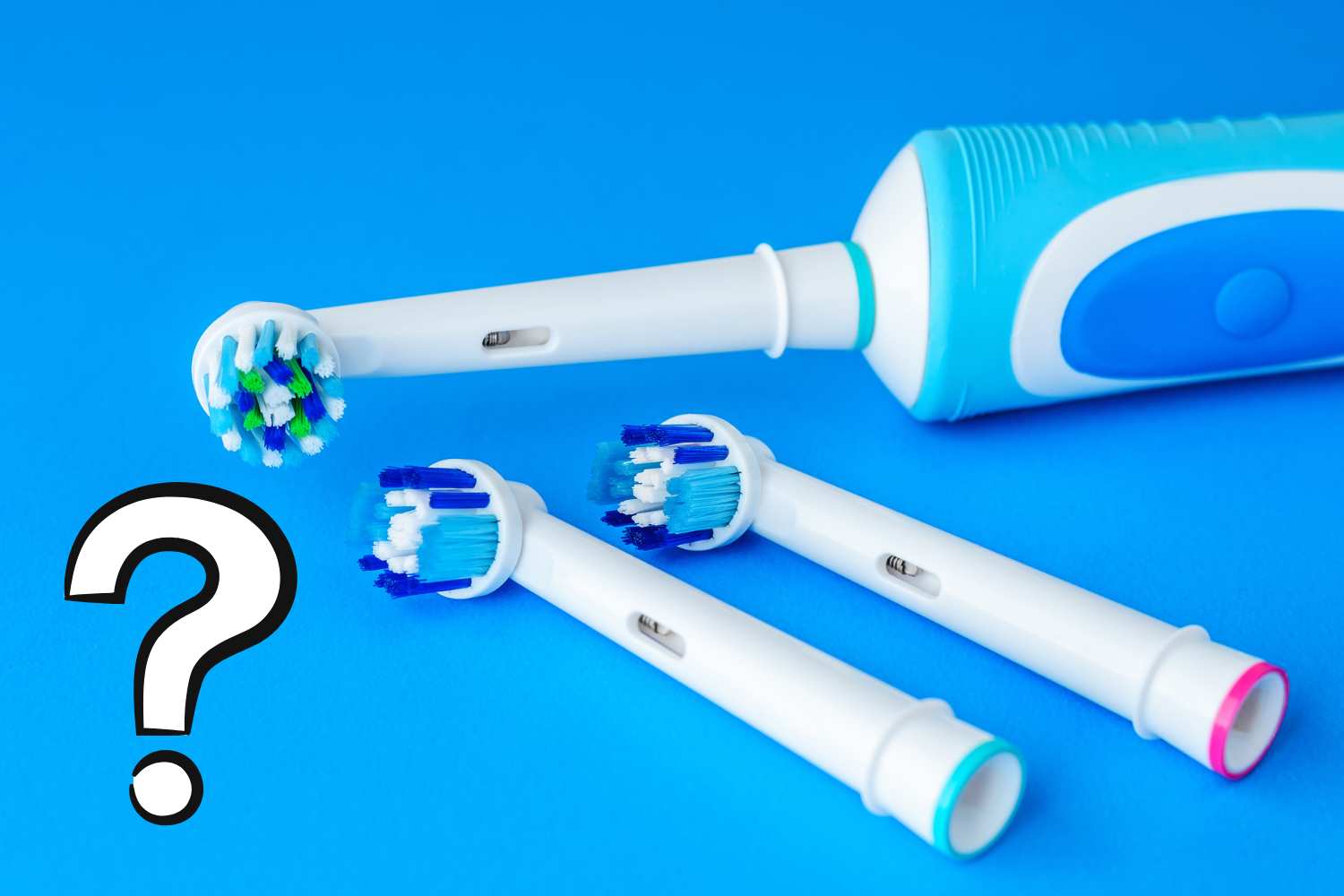
The trust placed in big brands is not always confirmed by independent tests. This is demonstrated by a survey conducted by the Swiss magazine K-Tipp, which sifted through 12 electric toothbrushes that are very popular on the market. The analysis took into consideration several key aspects: the quality of the bristles observed under the microscope, battery life and shock resistance. The final verdict surprises many consumers: Oral-B and Philips, historic names in oral hygiene, do not dominate the ranking and in some cases slip into the bottom positions, with barely sufficient or even negative opinions.
The shape of the bristles makes the difference
The test highlights a crucial point that is often underestimated. Electric toothbrushes are not the same as each other and the real distinction lies in the shape of the bristles. According to the indications of the Swiss Society of Dentistry, the ends must be perfectly rounded to ensure effective cleaning without irritating or damaging the gums. Crushed, cut or only partially blunted bristles increase the risk of micro-injuries to the tissues of the oral cavity.
This is a detail that is impossible to evaluate with the naked eye. For this reason, the Ipi testing institute in Stuttgart analyzed each brush head under a microscope and magnified the bristles up to 100 times. On average, the models tested had 92% correctly rounded bristles, but not all managed to reach this level of quality.
The best and worst according to the test
At the top of the ranking appears a little-known name in Italy: Oclean With a single charge it allows 58 brushings. The only critical issue that emerged concerns the appearance of small scratches on the body after 20 falls from a height of 80 centimetres. The price is between 80 and 100 euros.
Second position for Waterpik Sensonic Toothbrush STW-03, rated “very good”. It passed the shock resistance test without marks, but the battery lasted less than the first place, with 27 brushings per charge. Also in this case the cost is around 80 euros.
The result of the big brands
Oral-B and Philips participate in the comparison with five models in total, but the results appear very inconsistent.
For Oral-B comes a “good” rating with the Pro Series 1, an economical toothbrush costing around 35 euros which convinces with the quality of the bristles and a battery life of at least 20 brushings. iO Series 6+ also gets a positive rating.
Opposite scenario for Oral-B Pro Vitality, which closes the ranking with an “insufficient” rating. The main problem concerns the battery, which runs out after just 9 brushings and requires frequent recharging. Procter & Gamble disputed the results, claiming that in internal tests the autonomy found was approximately double.
For Philips, the Sonicare Diamond Clean 9000 ranks mid-table with a “good,” but only after a test review. It was initially rejected due to the poor quality of the bristles. Philips had reported the possible presence of counterfeit brush heads and a second test, carried out with original spare parts, actually improved the result: the percentage of rounded bristles rose to 89%, compared to the previous 74%.
The Philips Sonicare 5300, however, drops to tenth place with a barely sufficient rating. The penalty comes from the quality of the standard “Optimal White” head.
The complete ranking
Here is the complete list with all the test results:
Very good:
Good:
Sufficient:
Insufficient:
The Swiss test sends a clear message to consumers: high price and famous brand do not represent an automatic guarantee of quality. Informing yourself, comparing data and looking beyond the brand remains the most effective strategy for choosing an electric toothbrush that truly lives up to expectations.
