
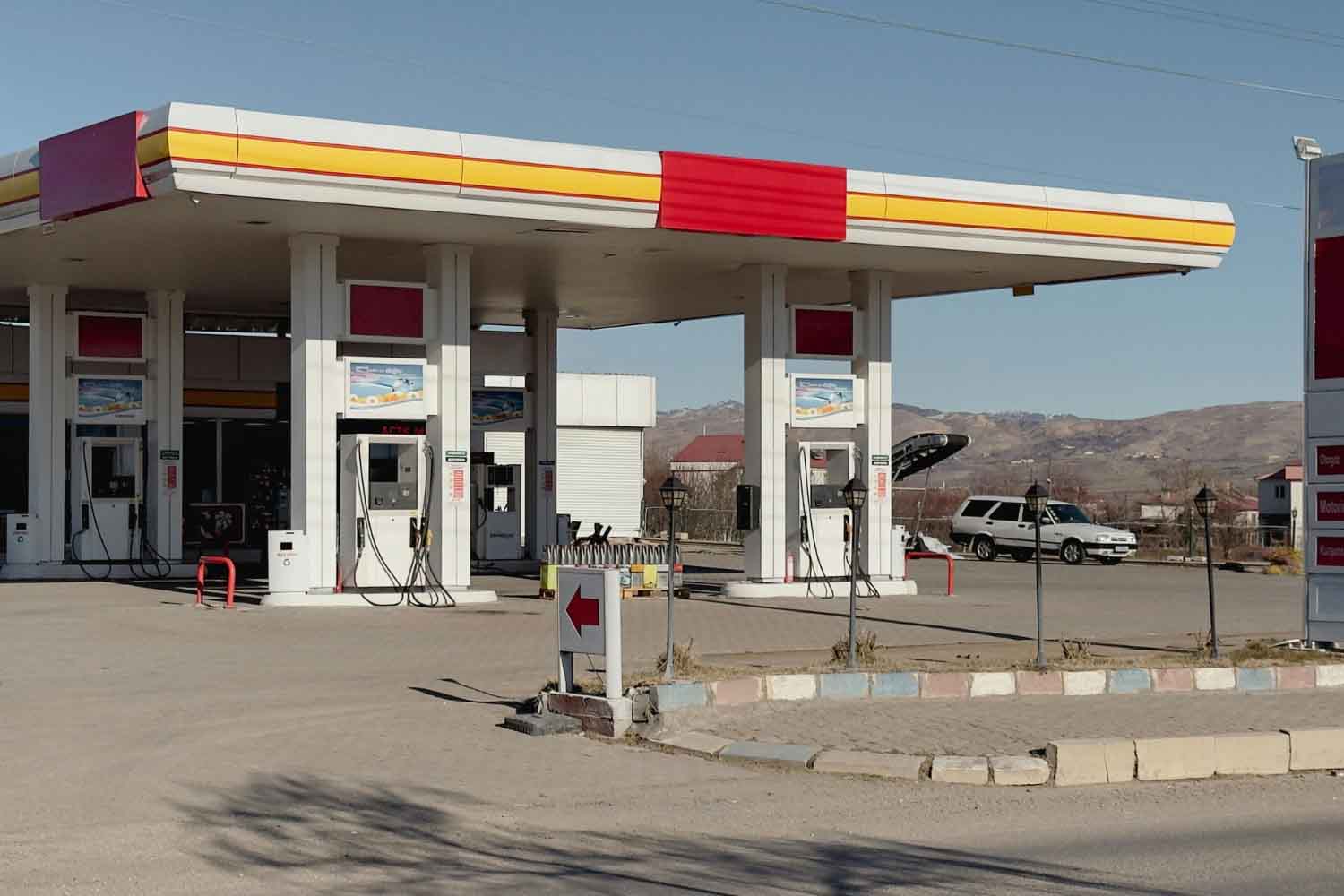
From 2028, the owners of some petrol and diesel stations will be able to ask for up to 60 thousand euros to close the old plant and open a fast charging station or a biofuel distribution point. The contribution will cover a maximum of half of the expense and may also finance the safety of the tanks, the connection to the electricity grid and any storage systems.
The measure is contained in the annual draft law for the market and competition 2026, approved by the Council of Ministers on 23 July. The Ministry of the Environment and Energy Security has announced a 120 million euro fund, distributed between 2028 and 2030. Today, however, there is still no application to submit. The DDL must be approved by Parliament and may change during examination by the Chambers. After entry into force, the decrees with conditions, deadlines and access methods will be needed.
Half of the costs, with the work completed by 2028
The DDL includes road facilities open to the public that distribute petrol and diesel. For those powered by LPG and methane, the contribution is limited to systems located in residential areas. The benefit will cover up to 50% of the expenses incurred. To obtain the full 60 thousand euros, therefore, the project will have to cost at least 120 thousand.
The closure of the old distributor, the removal of residues from the tanks, their inertization and the installation of the new infrastructure will be financeable. For electric stations, a power equal to or greater than 90 kW is required for each charging infrastructure. Electrical substations, cable ducts, grid connections and storage systems are also included in the expenses. The project must be completed by December 31, 2028.
The contribution will be paid only after the completion of the entire intervention, from decommissioning to the construction of the new infrastructure. In the case of electric, the charging station may also be in an area different from that occupied by the old pumps. For charging stations, the contribution will be cumulative with other incentives for new charging infrastructures, within the limit of the expenditure actually incurred.
For biofuels, the DDL speaks generically of liquid or gaseous products. The supply chains, however, have very different environmental balances. The European Commission promotes the shift towards advanced fuels produced from sustainable feedstocks and limits the weight of those made from food crops, which can shift agricultural production towards forests, peatlands and other carbon-rich land. The word “organic” covers many roads, some decidedly longer than others.
How the 120 million are divided
The Ministry of the Environment has announced 40 million euros per year in 2028, 2029 and 2030. The resources will come from the proceeds of the 2026 auctions of CO2 emission quotas. The 120 million indicate the total endowment of the fund. The ceilings set for contributions to the works add up to 112 million: 37 million in 2028, another 37 in 2029 and 38 million in 2030.
Up to 8 million will instead be able to finance compensation for managers who will not continue to work in the transformed distributor. In fact, the owner and manager can be different people. The compensation will reach up to 20 thousand euros and will take into account the duration of the contract and the investments made. The costs for the management of the fund, entrusted to Acquirente Unico, will also be taken from the same endowment, within a maximum of 3%. The 120 million, therefore, do not all equate to contributions for construction sites.
In the internal areas the old pumps remain
In the territories included in the National Strategy for Internal Areas, the transformation will follow a different rule. The distributor will have to maintain petrol, diesel, LPG or methane and add a charging station or a biofuel system. The maximum contribution will drop to 30 thousand euros. The rule serves to prevent the reconversion from eliminating one of the few remaining supply points in less populated areas. The implementing decrees will have to establish further conditions to prevent network failures even on the smaller islands.
From 2028, LPG will also be able to count as an alternative
From 1 January 2028, anyone who wants to open a new petrol station will have to offer at least one alternative to petrol or diesel alone. However, these alternatives also include LPG and natural gas. The Ministry of Business and Made in Italy presents the measure as a move towards alternative solutions to fossil fuels. The DDL refers to the definition of the European Regulation on infrastructure for alternative fuels, which includes electricity, hydrogen and renewable sources, together with some fossil fuels considered transitional.
The list includes LPG, compressed natural gas, liquefied natural gas and synthetic fuels produced with non-renewable energy. With this formulation, a new distributor could comply with the 2028 obligation even without installing a charging station or distributing a renewable fuel. The door to the word “alternative” is wider than the statement suggests. This definition concerns new authorizations. The contribution of up to 60 thousand euros maintains a more limited scope and only finances electric charging or the distribution of biofuels.
The DDL also provides that the authorizations are expressly issued within 90 days, after verification of the economic and organizational capacity of the operator, the regularity of contributions, the application of employment contracts and the absence of anti-mafia impediments.
Before the questions we still need Parliament
The DDL excludes from contributions the plants that fall within the incompatibility conditions identified by the 2017 competition law. Separately, the text moves to 31 December 2028 the deadline by which plants that definitively cease activity can use the simplified decommissioning procedure. The extension does not grant incompatible plants another four years of activity: the two provisions concern different cases.
The operational rules for contributions must arrive within 60 days of the law coming into force. The timetable will be tight: the plants will have to be transformed by the end of 2028, while the resources will be distributed until 2030. The concrete value of the measure lies in the work it will be able to pay for: tanks made safe, connections to the network and rapid charging in places where motorists are already used to stopping. The deadline for completing the interventions is already set for 31 December 2028. The rules for requesting contributions, however, have yet to be written.
