
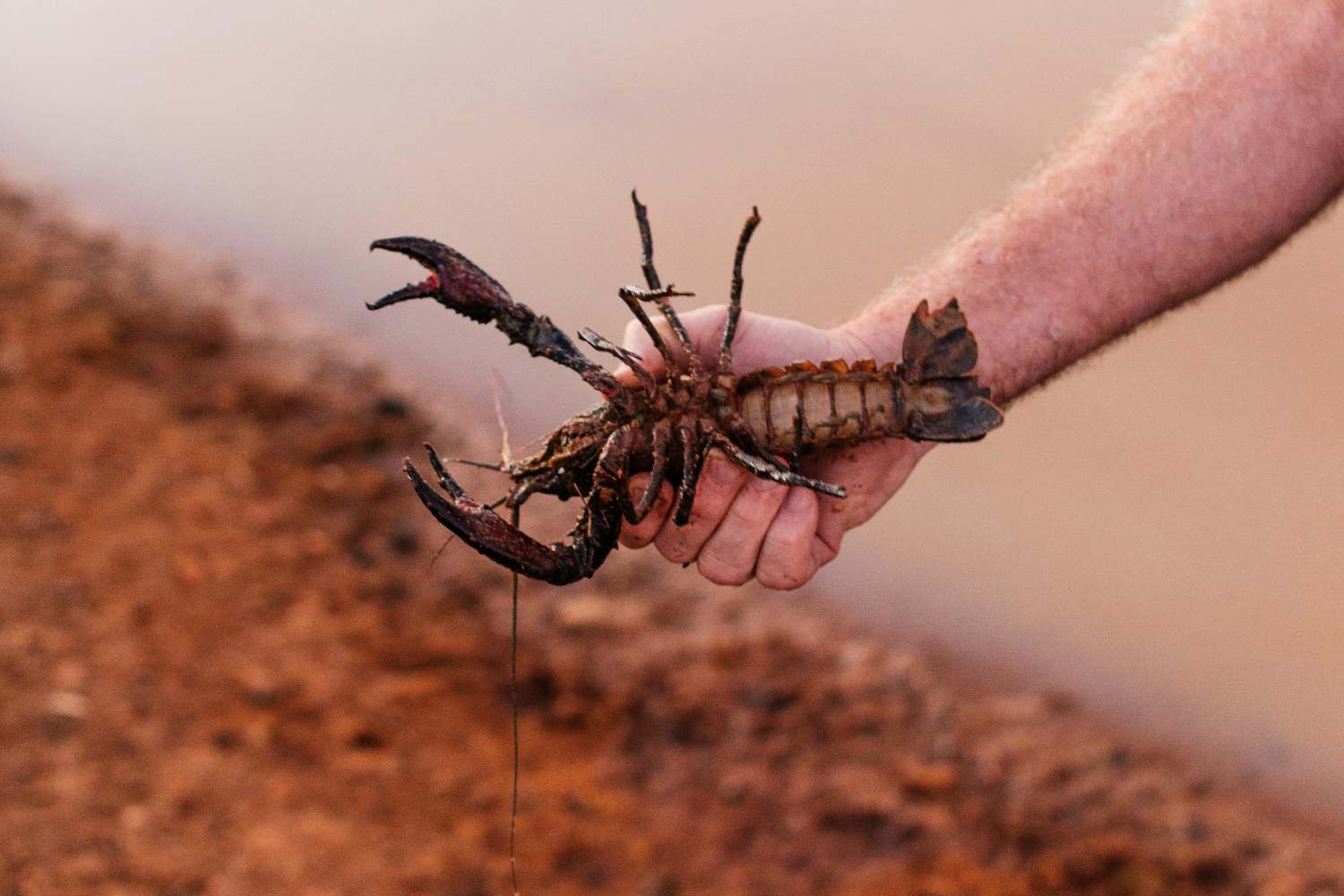
The future oflobster in the Gulf of Maine it is uncertain due to the quick heating of its waters. This stretch of ocean, which extends from new England to Canada, is heating up at a rhythm three times higher to the global average, with significant consequences for the marine fauna and for the coastal economy of Maine.
In recent years, the highest temperatures have favored a boom in lobster fishing, creating ideal conditions for their reproduction. However, experts warn that the constant increase in marine heat could reverse this trend.
The change of currents and the alteration of food chains are already influencing the lobster larvae, which struggle to find adequate nourishment. The plankton of which they feed, like the Copepodes of the Calanus species, is becoming less fat and abundant, reducing the probability of survival of young lobsters. In addition, the acidification of the ocean threatens the robustness of their exoskeleton, making them more vulnerable to diseases.
It is just one of the tangible consequences of climate change on marine ecosystems
This thermal increase has made the traditional habitat of the less hospitable lobsters, pushing these crustaceans a migrate to colder and more deep waters. Consequently, the populations of lobsters are progressively moving north, looking for more favorable conditions. A migration that seems to be the only survival strategy.
This change in the distribution of lobsters is not only an ecological question, but also has significant socio-economic repercussions. The coastal communities of the Maine, historically dependent on the fishing of the lobster, are witnessing one decrease in catches in their traditional fishing areas. This decline puts at risk not only the local economy, but also the cultural identity of these communities.
The situation in the Gulf of Maine serves as an alarm bell on tangible consequences of climate change on marine ecosystems. It is imperative that the international community intensifies efforts to reduce greenhouse gas emissions and mitigate the impacts of global warming. It is also essential to implement policies of Sustainable management of marine resourcesby promoting responsible fishing practices and protecting critical habitats. Only through a collective commitment can we hope to preserve marine biodiversity and guarantee a sustainable future for generations to come.
