
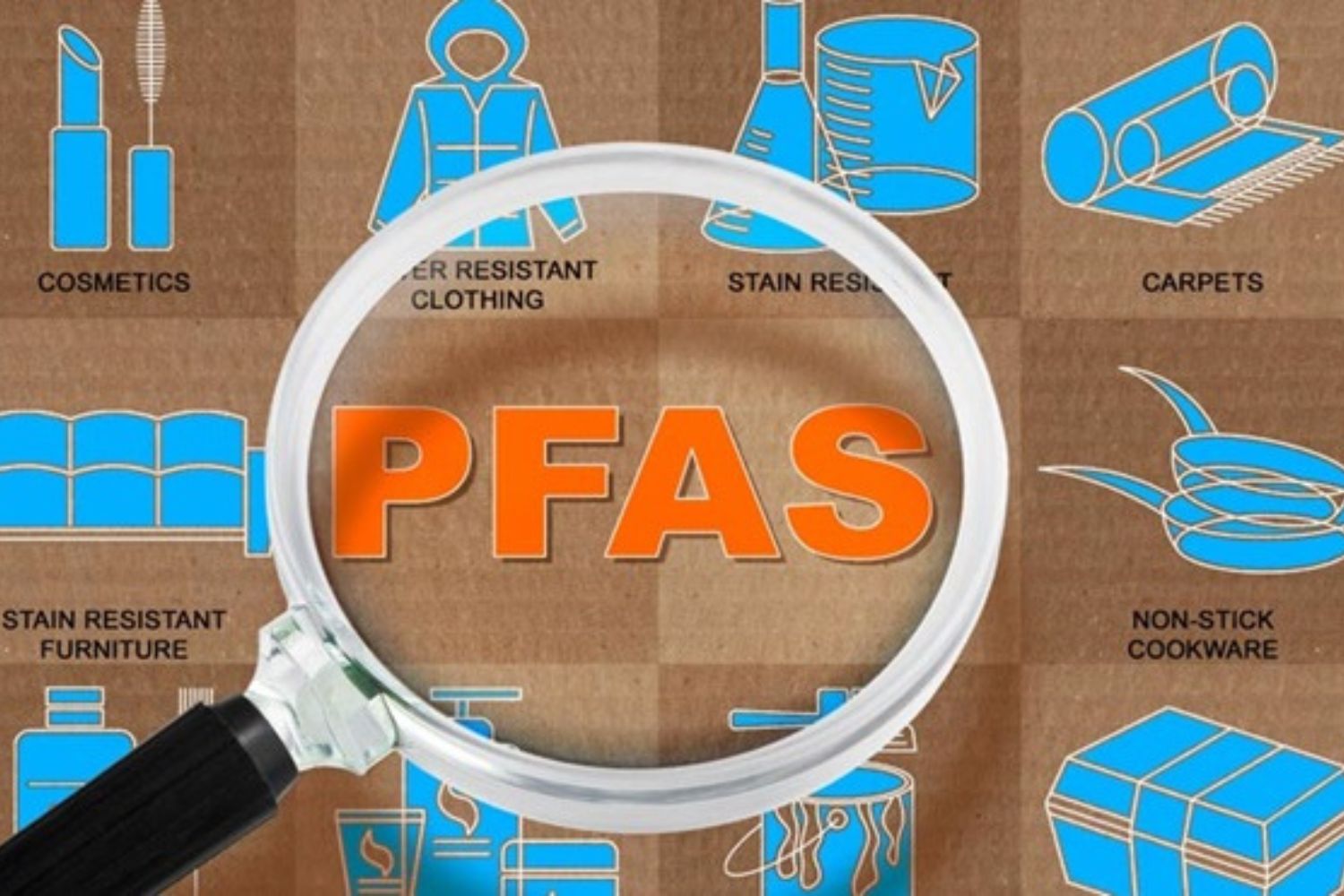
Pfas, an acronym for perfluoroalchilic substances, are everywhere. These “eternal pollutants”, as they are defined for their persistence in the environment, are hidden in objects that we use every day, from textiles to home to food packaging, from personal care products to clothing. A large international investigation, which has seen Altroconsumo At the forefront together with eight other consumer organizations, he put under the magnifying glass 229 Common use productsrevealing a presence of Pfas still too widespread and worrying.
The investigation, conducted at European level, analyzed four large categories of products:
The method of analysis was rigorous: before the total organic fluorine was sought, indicator of the presence of PFAS. In case of positivity, the specific substance was identified.
The results were eloquent: in 70% of the products no traces of PFAS were found, a positive fact but that must not let us lower the guard. In the remaining 30%, equal to 68 products, the presence of these substances has been confirmed. But the most alarming figure concerns 21% of the samples, or 47 products, which contain prohibited PFAS or in quantities higher than the current or future legal limits.
Among the products that exceed the limits or contain prohibited substances, we find:
These products, although compliant with current regulations, will become not compliant from 2026, when the EU Regulation 2024/2462which imposes more stringent limits and prohibits some substances. Altroconsumo has decided to “reject” them symbolically, underlining the need for greater awareness and more incisive action.
Of the 229 products analyzed, 59 were purchased in Italy or they are still present on the national market. Although everyone is in accordance with current legislation, 24% contain pfas. Ten of these products, however, will be out of the norm from next year. These are mainly textiles for the home, but also of personal care products and food packaging.
More stringent rules
The EU regulation 2024/2462 represents an important step forward, but does not definitively solve the problem of the PFAS. Some European countries, such as Denmark and Francehave taken more restrictive measures, prohibiting the PFAS in specific sectors. Italy, despite having lived a serious case of contamination from PFAS in Veneto ,.
Five Member States presented toEuropean Agency for Chemicals (Echa) A proposal to limit the use of all PFAS. Altroconsumo strongly supports this proposal, asking for rapid approval and without derogations. There are already safer alternatives, as shown by the most virtuous producers. And, just this, the association, explained in the press release, asks for a coordinated European approach to gradually eliminate these dangerous substances from our daily life.
The analyzed products were purchased between September and December 2024 and brought to the laboratory between January and March 2025. The selection focused on products they declare water -repellent properties, stain -resistant or non -stickdivided into the four categories already mentioned. The analyzes took place in two phases: measurement of the total organic fluorine and, in the event of positivity, identification of specific PFAS.
