
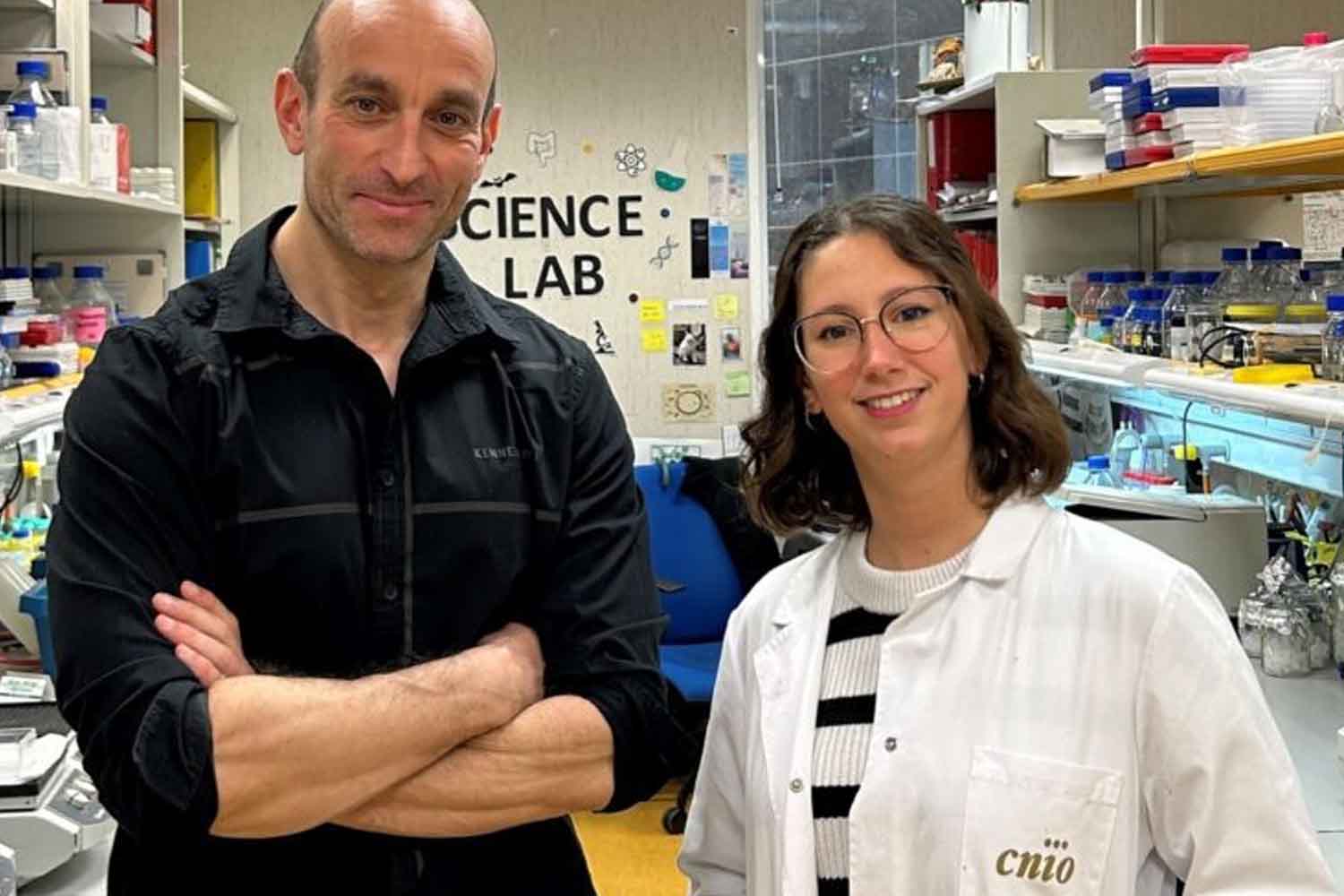
A Cenno study reveals an unprecedented mechanism that reactivates liver regeneration in a few minutes after acute damage: glutamate stimulates a communication between liver and bone marrow that reactivates the immune system and promotes the production of new liver cells
A team of researchers from National Cancer Research Center (Cenn) In Spain he identified a New and surprising biological mechanism which allows the liver to start regenerating within a few minutes after acute damage. According to the study published in the magazine Naturethis process involves the glutamatean amino acid already known for its key role in cellular metabolism, which now opens up new therapeutic prospects for patients suffering from serious liver diseases or subjected to liver resection.
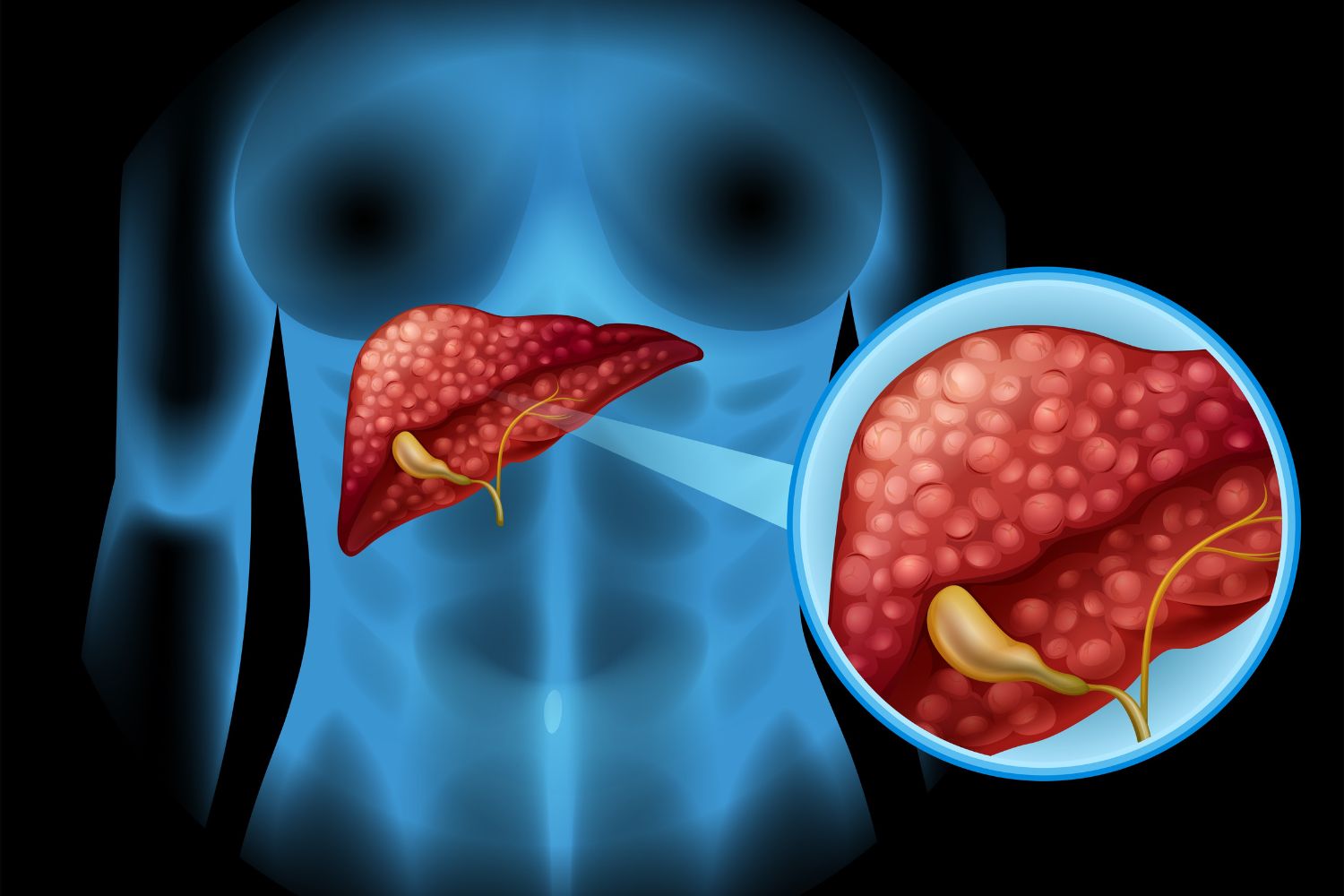
The liver, an essential organ for digestion, metabolism and detoxification, is famous for its regenerative ability. However, in the presence of chronic pathologies such as Cirrosis, this ability fails. Activate liver regeneration therefore becomes essential to treat serious liver damage, especially in patients who have undergone one hepatectomy or I’m waiting for transplant.
The Cenno study identified for the first time a sequence of very rapid biological reactionstrigger just a few minutes after acute liver damage. Everything begins with the production of glutamate by the hepatocytesliver cells, which release this amino acid into the blood. Glutamate thus reaches the bone marrowwhere he activates the monocytescells of the immune system. These monocytes, once in a circle, are transformed into macrophageswho return to the liver releasing growth factors which stimulate the regeneration of hepatocytes.
According to Professor Nabil Djouderresponsible for the study group “Growth, nutrients and Cancer factors” of Cenno, it is “A fundamental and universal mechanism which allows the liver to self-relevant after acute damage “.
The role of glutamine summarizes
A key element of this process is the glutamine synthetasea protein produced by specific hepatocytes that regulates glutamate levels. The study showed that when the activity of glutamine synthetase decreases – as naturally happens after acute damage – the level of glutamate in the blood increase, thus favoring communication with the bone marrow and activating the regenerative process.
The analysis has also clarified an unsolved doubt so far: as the different areas of the liver do to coordinate during regeneration. The researchers identified that it is precisely the hepatocytes of glutamine producers summarized to play a central role in this coordination.
The clinical applications of this discovery could be very large. The experiments, conducted on mice, were validated through bioinformatic tools on databases containing information on both Murini and humans hepatocytes. The next step, according to the authors, will be to test the potential of glutamate as a food supplement In human patients subjected to liver surgical interventions or suffering from chronic pathologies such as cirrhosis.
The researcher María del Mar Rigualthe first author of the study, underlines the need for further research to evaluate the effectiveness of the integration of glutamate in human beings, in particular in those who have suffered the partial removal of the liver due to tumors.
