
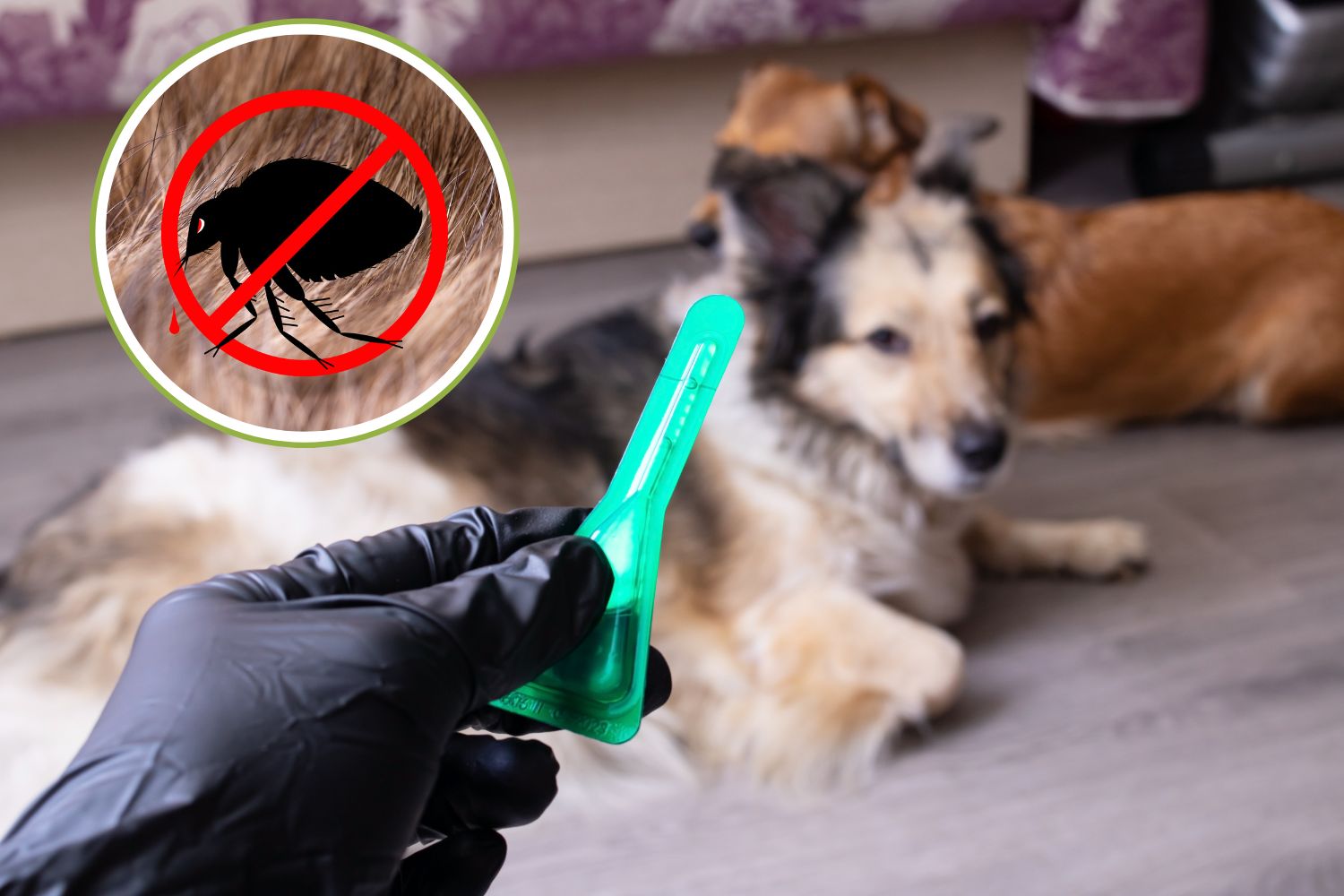
There are some errors very common that the owners of dogs and cats continue to do when it comes to prevention against fleas and ticks in animals. Despite the continuous and repeated explanations by the veterinarians, the advice that are now found everywhere on the net, the liar of the drugs, here are the errors continue undaunted to be repeated, year after year.
Frequent errors in the use of the anti -parasitaries of dogs and cats
Given that Repetita Juvant (perhaps), below we will list some of the most frequent errors that we should really avoid making when we talk about pesticides for dogs and cats. This is also to avoid every year the usual procession from the veterinarian with the eternal litany of “But why does my dog always scratch and do you have the dermatitis? We can’t care?”said punctually by those who have the dog allergic to fleas and on which the last pesticide put dates back to a minimum five months ago.
The pesticide is not forever
Those were the diamonds, let’s not confuse. There are many owners convinced that if they put the anti -prosecutor in March, this works until November. Well, that’s not quite. Unless you have used a specific molecule that lasts for several months (ask your vet), most of the commercial spot on on the market has a maximum duration of one month. After that month, the pesticide will have exhausted its effectiveness, which means that the dog/cat will be discovered as regards the protection of fleas and ticks. (Read also: difference between fleas, ticks and lice in dog and cat: I’m a veterinary and I explain how to distinguish them)
Ditto say for i anti -pulcious collars: Each brand has a specific duration of effectiveness, after which it no longer works.
Skip the doses of pesticide does not create problems
Not exactly. The pesticides for dogs and cats They work best when they are applied regularly. Continuously jumping doses or stretching too much time between one administration and the other puts animals at risk.
I don’t use anti -pulchs because the dog is at home so much
It being understood that no dog remains always and only at home for life, here the fleas and ticks can take them to the house with shoes and clothes. And it’s not that fleas and ticks stop on the threshold of the house saying “Ah, no, this is a house, we don’t enter”.
Never suspend pesticides in winter
Many owners are also convinced that In winter the preventive treatment against fleas and ticks can be suspended “Because so much are not there”. Wrong, there are all right. Indeed, perhaps even more than in summer. Miti winters cause ticks to be active and operational all year round. And the cold has never stopped fleas that, on the contrary, in winter, with the heat of the radiators thrive in the houses.
Never use pesticides for dogs on cats
Very serious error: use pesticides for dogs on cats. Many owners are convinced that the cat is a little dogtherefore that it is enough to decrease the dose and it is done. Very wrong and potentially fatal for the cat. Many external dogs for dogs contain molecules that are toxic to catscausing them serious neurological symptoms with tremors, convulsions and death.
Use dosages lower than prescribed
Another typical error consists in administering external pesticides a lower dosages to the provisions of the liar. But exactly as in the case of deifying products, even pesticides, if administered at a dose lower than the right one for the weight, simply do not work.
Do not put the pesticides to the dog because the vaccines are made
They are two completely different things. Vaccines protect against certain diseases, pesticides against others. Even in the case of the vaccine against Leishmaniosis, even when the dog is vaccinated, the appropriate pesticides against the phlebotomas or pappataci must still be applied.
You may also be interested in:
