
Spring has now arrived, and it is time to take care of our garden after winter rest. It is common desire to have a dense and green lawn, But how to make sure that this desire is realized?
Certainly the elimination of death leaves and brushwood, regular mowing, fertilization and sufficient water supply are important actions. But there is an activity that, if done well once a year, guarantees a green and flourishing lawn: the scarification.
What is scarification?
After the long “dead” period represented by winter, the lawn needs light and oxygen to regenerate and grow in a luxuriant way.
Often, however, access to the air and sunlight is prevented by the presence of moss, straw and too long wires. That’s why it is important to scarify right in early springin order to free the soil from obstacles that can prevent its florid growth.
Scarification is therefore the elimination of all this material, combined with the incision of the soil which promotes the passage of oxygen, water and fertilizer.
This operation must be done once a year (making it more often would be deleterious for the soil rather than advantageous) And the ideal time is the second half of Aprilbefore the intense heat arrives: in this way the lawn will have all the time to regenerate before the summer.
How to scarify correctly
To scarify it is necessary to use the suitable tool, or the scarifier: there are mechanics or electric ones, but in both cases they are equipped with blades that affect the soil in a perpendicular way.
Before proceeding with the actual scarification, however, it is important to mow the lawn and eliminate most of the straw and dry foliage: on a newly mowed meadow the scarification will be more effective. For this operation, a tosaerba and a basket for the collection of the mowing will be needed.
Now that the lawn has been cut, we can put the scarifier in action. Let’s pass it all over the lawn, adjusting it so that the ground is not engraved too deep (this could undermine the development of the lawn).
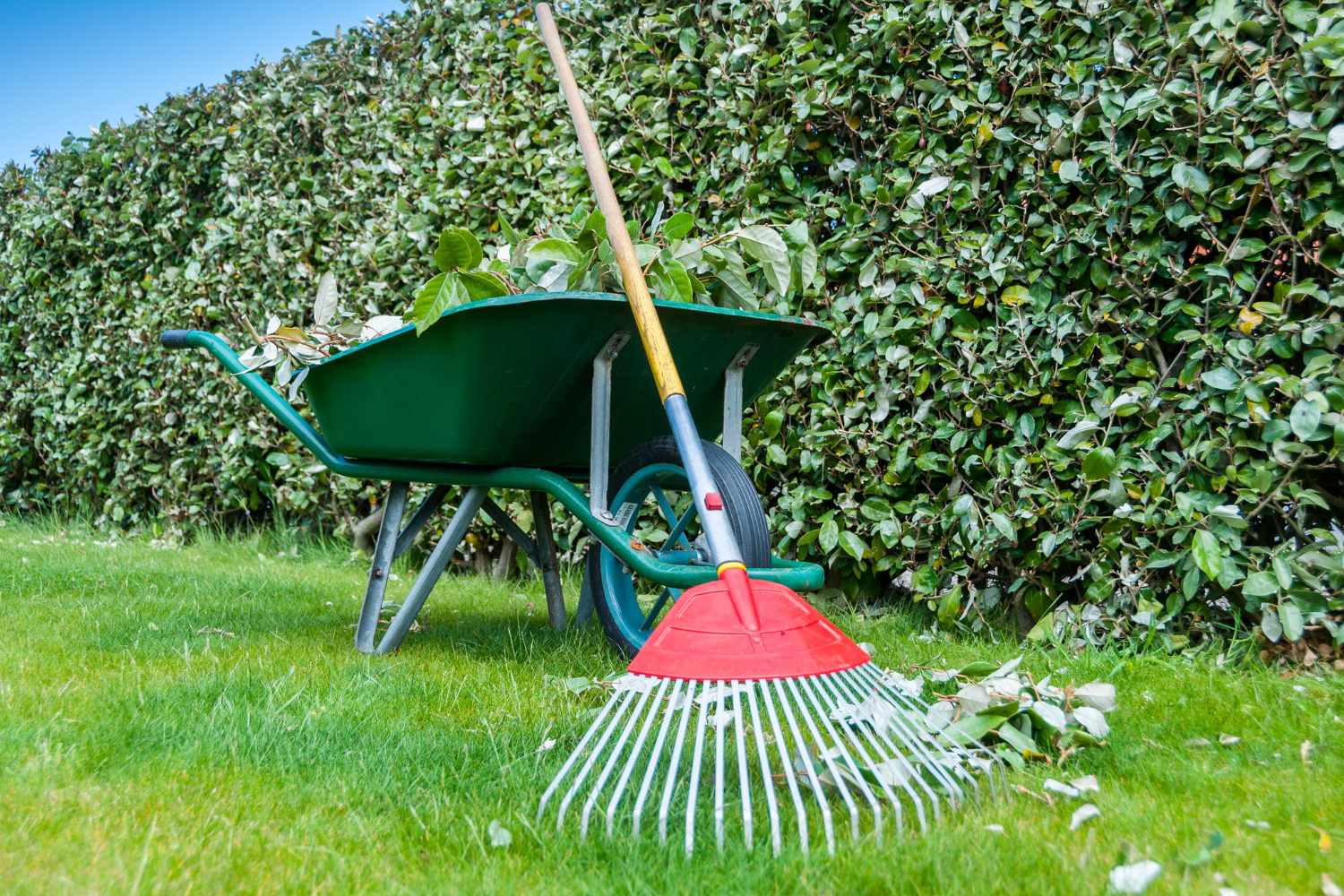
At the end of the operation, we use a rake to eliminate further moss and straw residues from the lawn: we collect these waste together with the mowing before bringing them to the ecological oasis of our municipality of belonging.
The mistakes not to make
The lasting benefits of scarification
A scarification performed correctly not only improves the immediate aspect of the lawn, but offers benefits that last throughout the season. By removing the felt and ventilating the soil, the development of a more robust and deep radical apparatus is promoted, making the grass more resistant to summer drought and fungal diseases. To maximize the results, it is advisable to sow new grass seeds immediately after the scarification, taking advantage of the freshly worked soil that promotes germination.
This process, known as transemina, allows you to thicken the most thinning areas and introduce more resistant varieties of grass. Complete the operation with a specific spring fertilization rich in nitrogen, which will stimulate vegetative growth, and irrigated gently but regularly in the following two weeks. In this way, not only will you restore your lawn after the winter, but you will prepare it at a luxuriant summer and an enviable appearance that will last for months.
