
There is a sauce that puts everyone in agreement. Or almost. It spreads harmony between the slices of bread, wraps the chips in a creamy caress, sneaks into rice salads as if nothing had happened. We are talking about mayonnaise, behind whose apparent simplicity there is a story that looks more like an adventurous novel than to a kitchen recipe. Yes, because the mayonnaise, now omnipresent in the tables and fast food, was not born in some laboratory test tubes, even during a brainstorming between starred chefs. It was born by chance, or rather, out of necessity.
War, a banquet and a fortuitous discovery
We are in 1756full Seven -year war (1756 – 1763). The Balearic Islands, and in particular Menorca, become the scene of a heated clash between French and British. The Marshal Richelieudriving the French troops, conquers the Port of Mahónimportant maritime junction and beating heart of the island. To celebrate the victory, the Marquise de Pompadour organizes a sumptuous banquet in his honor, and it is here that the small gastronomic miracle takes place.
The court chefs, Maret and Roquelrein charge of preparing something special for the occasion, find themselves in difficulty: they cannot turn on the fires so as not to attract the attention of the enemies. You need something cold, at the same time elegant, and that it is able to surprise the audience, given the importance of the situation. Thus, mix oil, eggs, lemon and a pinch of salt: the result is a soft cream, with a new, deep and delicious taste. It is served to the marshal with the name of Mahonnaise, in homage to the port of Mahón.
Yet for centuries, France and Spain the paternity of mayonnaise have been disputedre -evaluated merits and legends. There France He has always claimed that he was the work of the personal cook of Richelieu, who had invented her in an urgent moment, without even knowing that she is writing a page of culinary history. There Spainon the other hand, claimed the minorchine origin of the salsa. It is the truth? Finally, it seems to have come to the surface.
The manuscript found
After decades of uncertainties and speculations, he was a Spanish doctor and researcher who put things in clear. Pep Pelfortfounder of the Gastronomic Study Center of Menorca, took four years to trace an ancient Manuscript of the CaUles de Mahón familydated between the 1750 and 1756an authentic document, which survived the time, which contains a recipe of mayonnaise well before France claimed its invention.
The manuscript, spent from hand to hand for centuries, finally came to the family of the journalist and bibliophile Andrés Casanovas. It is from there that Pelfort was able to consult the text: among its pages we read the description of the menu served in honor of Richelieu, in which the term “Mahonnaise” is clearly reported.
The original recipe of Minochina mayonnaise
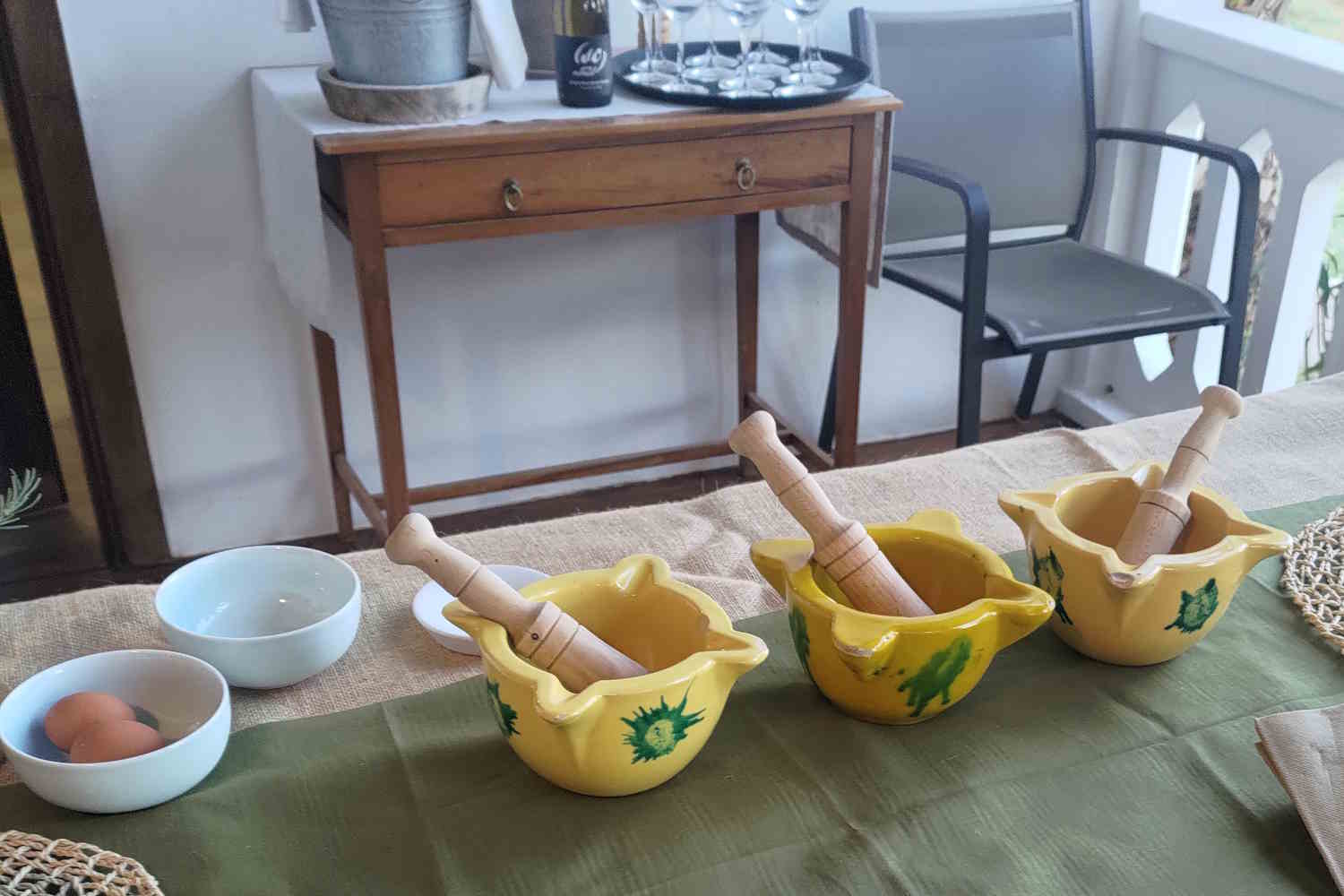
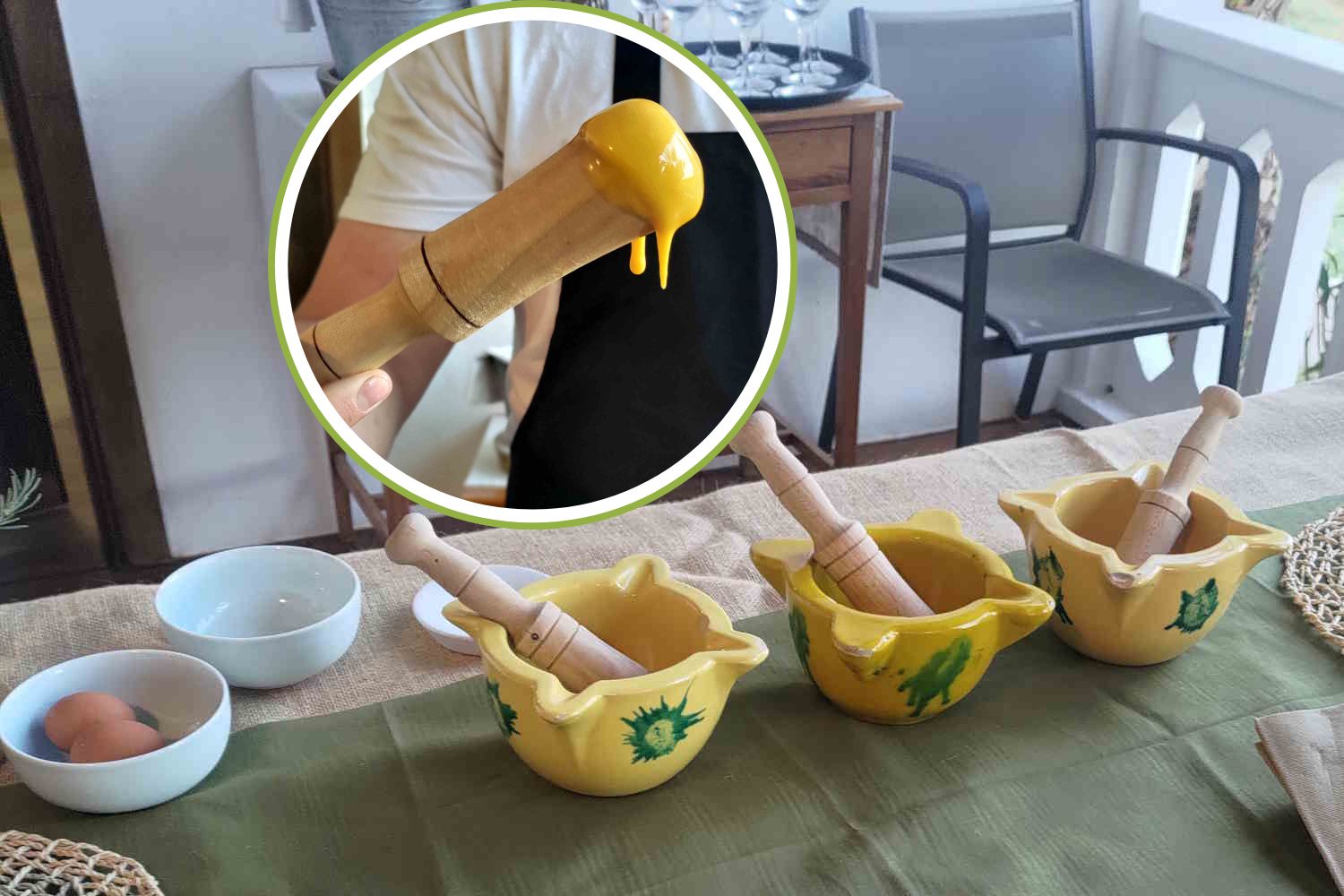
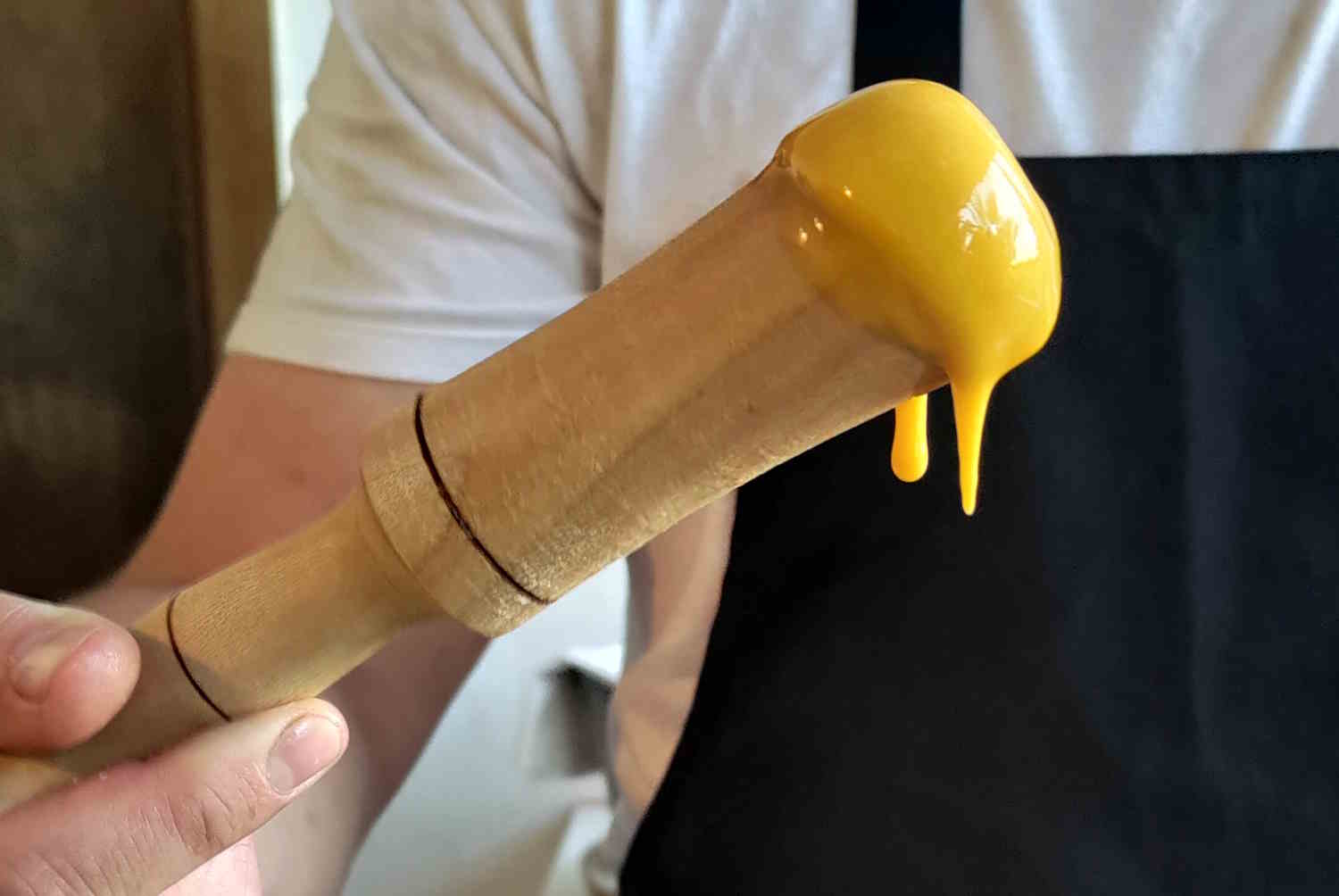
In the original Menorca recipe that we had the pleasure of seeing lively prepared, only two ingredients are enough: egg yolk and extra virgin olive oil that is added flush in the appropriate mortars with four spouts while continuing to turn the yolk with the mortar until the consistency changes.
After which you can add other ingredients to flavor mayonnaise such as chilli pepper, garlic or truffle.
Aioli Bo: the direct ancestor
It must be said that the history of mayonnaise has its roots even more in the past. The first written document that speaks of a sauce similar to mayonnaise is in theArt de la Cuinaa manuscript in Catalan of the friar Francesco Rogerpreserved in Real Monastery de Santa Clara. It appears in it The Aioli Bo recipeliterally “garlic and good oil”, a rustic precursor of our mayonnaise, with simple and local ingredients.
This sauce, base of olive oil and garlic, was enriched with fresh eggs, lemon or vinegar, and was well known in the eighteenth -century island cuisine. It is not difficult to see how from here we have passed, with some variation, to the mayonnaise that we know today.
Mayonnaise: a planetary success
Who would have said that a sauce born by chance during a war would travel around the world? Still, it went just like that. From Spain to France, from France to the whole world. In Japan Kewpie, sweeter and velvety is worshiped. In Russia The mayonnaise is everywhere, a queen of Christmas salads. In United States It is an essential ingredient for hamburger and sandwich. In Italy… well, in Italy we divide: there are those who love it unconditionally and those who look at her with suspicion, even if they remain a traditional seasoning for sandwiches, sandwiches, fries and fish dishes.
What is certain is that every culture made it his own, adapting it to his tastes. And then there are the variants: with garlic (Aioli), with ketchup (pink sauce), with herbs and cucumber (tartar), or in a vegan version, without eggs.
A sauce, a thousand possibilities
To see it, it seems simple, actually doing it well requires precision. The oil must be poured flush, the yolk must be fresh, the ambient temperature is fundamental, you need patience, ear, eye and touch, because a wrong mayonnaise goes crazy, literally. And whoever found themselves in front of that lumpy and oily mass know how disappointing it is.
But when he succeeds … oh, when he succeeds! The homemade mayonnaise is very good: it has a living flavor, which changes every time. Just add a grass, a spice, a touch of balsamic vinegar or mustard, and something new is born.
