
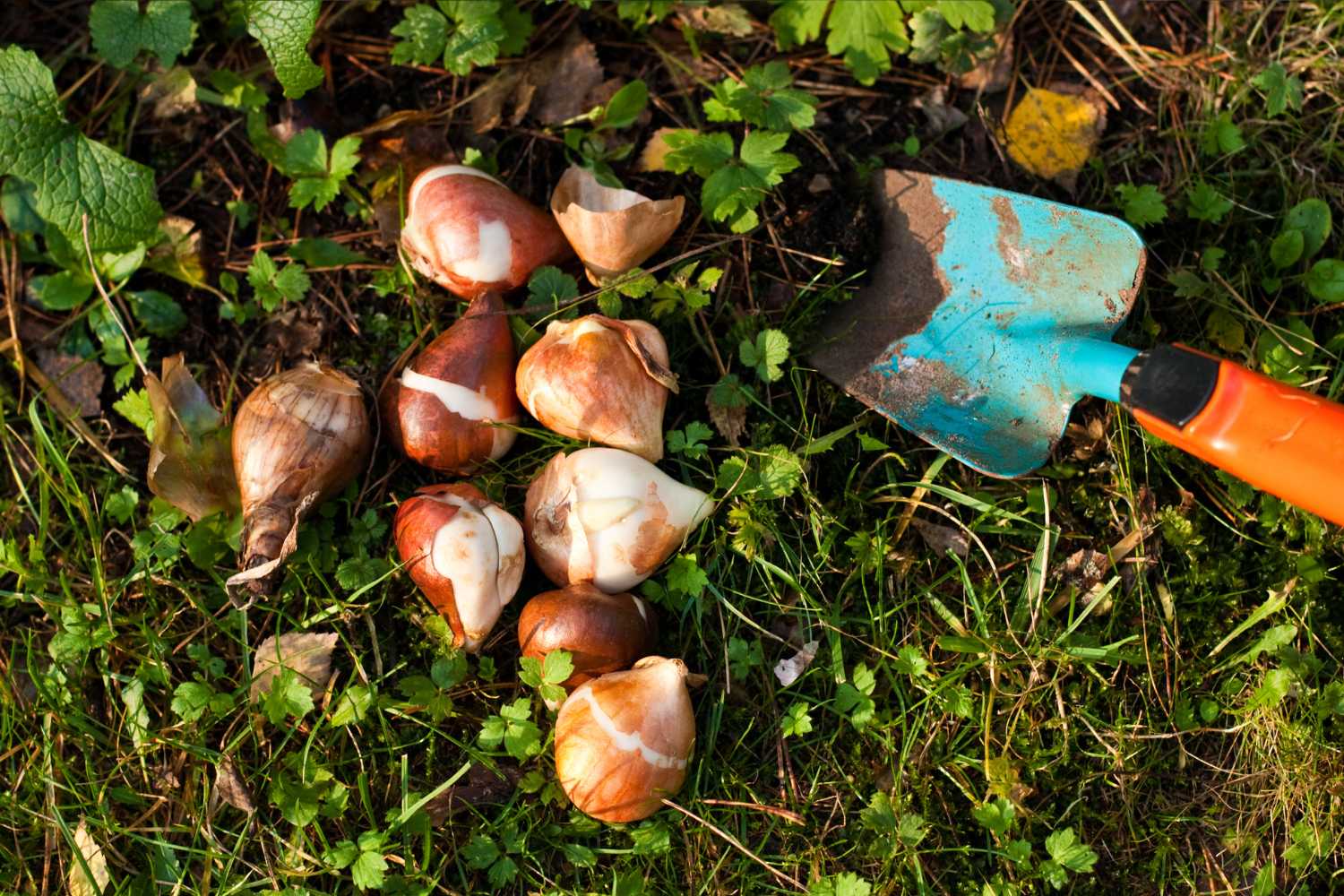
Who said that an extraordinary garden must necessarily be populated only by tulips and narcissi? There is a world of incredible bulbs that can give scenographic blooms, so perfect that they seem fake. Some of these plants are still little known, yet it would be enough to plant a handful to radically change the appearance of a flowerbed.
If you are looking for something surprising, it is worth taking a look at the Imperialis fritillary, the Eastern Lilium and the ALIUM Giganteum. Each of these flowers has unique characteristics, from the royal bearing to bright colors, and does not require impossible care. Let’s see how to transform your garden into a botanical show.
Fritillaria Imperialis
The Imperialis fritillary, also known as the imperial crown, is a plant that certainly does not go unnoticed. The pending flowers, which can be yellow or orange, look like small lanterns suspended in the green, surmounted by a tuft of leaves that gives it a majestic air. Originally from Türkiye, Iran and Western Himalaya, boasts a long tradition in works of art, so much so that Van Gogh was even fascinated.
It must be said that the real magic takes place in the spring, when a tall and robust stem appears from the bulb planted in the autumn, ready to dominate the scene. Cultivating it is simple: the soil must be well drained and the sunny position, and the rather delicate bulbs must be buried immediately after the purchase, to prevent them from drying out.
Do you want advice? Leave at least 30-50 cm between one specimen and the other to allow the plant to develop without suffocating the neighbors. The fritillary is also perfect in pots, provided that the container is at least 40 cm deep and equipped with a good drainage.
Irrigation is another decisive factor: he loves humidity but not water stagnation. Better to always check that the water flows correctly. After flowering, it is necessary to resist the temptation to cut the stem immediately: the bulb needs time to reabsorb the nutrients and prepare for the following season.
Eastern Lilium
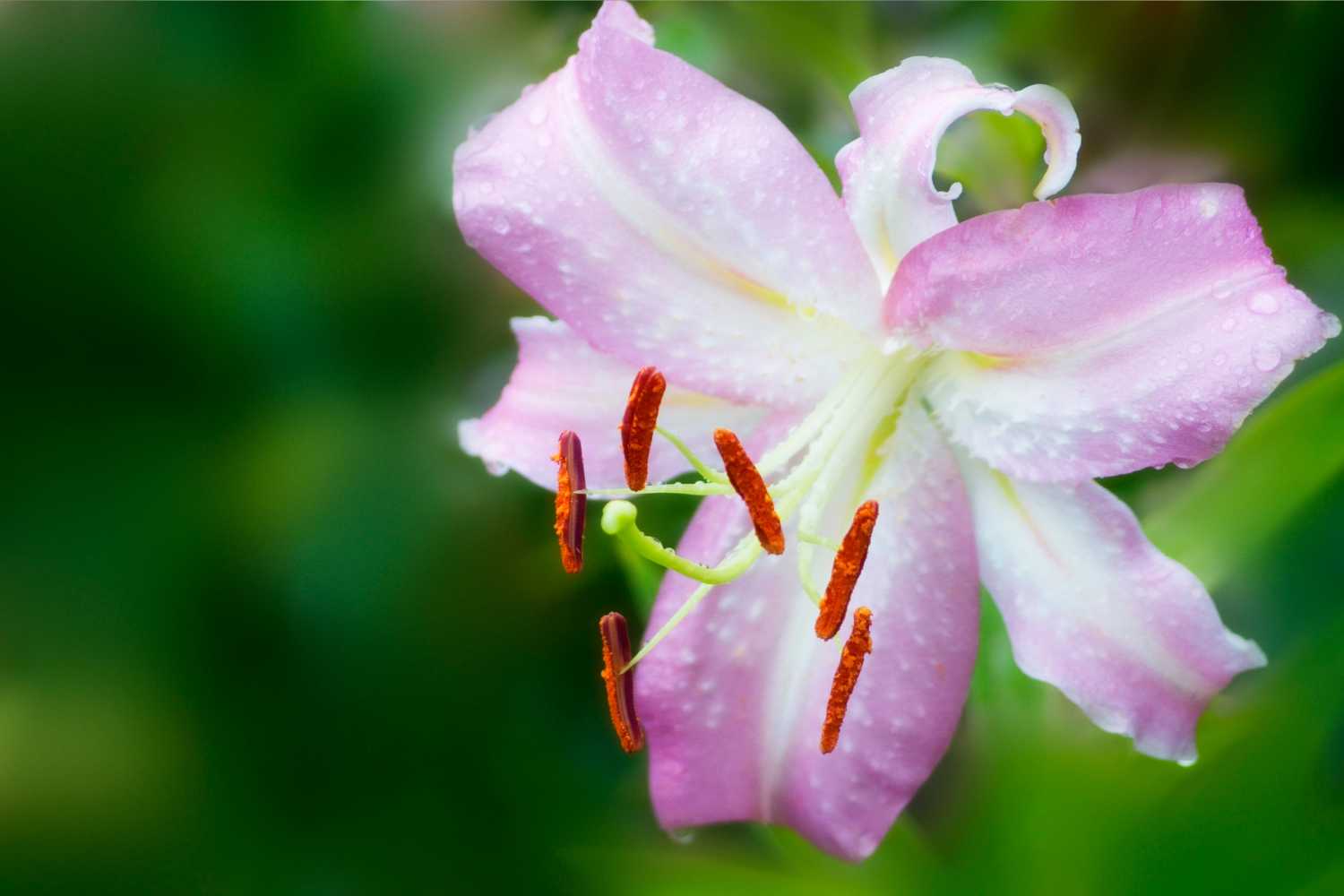
Are you looking for a flower that unites elegance and fragrance? Eastern Lilium is the right choice. Known since ancient times, the oriental lily has large and colorful petals, ranging from white white to intense pink, up to red and purple.
Cultivating it does not require special efforts, as long as you respect some rules. The soil must be rich in nutrients and well drained, while the ideal exposure is in half shadow: too much direct light could stress the plant. A curious aspect concerns pistils: they contain a particularly tenacious pollen, able to stain hands and dresses indeliblely, so remember to handle flowers with extreme caution.
As for irrigation, Lilium needs regular watering, obviously without exaggerating. In winter, when the plant enters vegetative rest, the water can be reduced to a minimum. Particular attention must be reserved for parasites: among its most fearful enemies there are Lilioceris Lilii, a small red beetle, and the snails, always ready to ban with its leaves.
If planted in the right place and treated with love, the eastern Lilium will give spectacular blooms and a perfume that will fill the air, transforming the garden into a corner of paradise.
Allium Giganteum
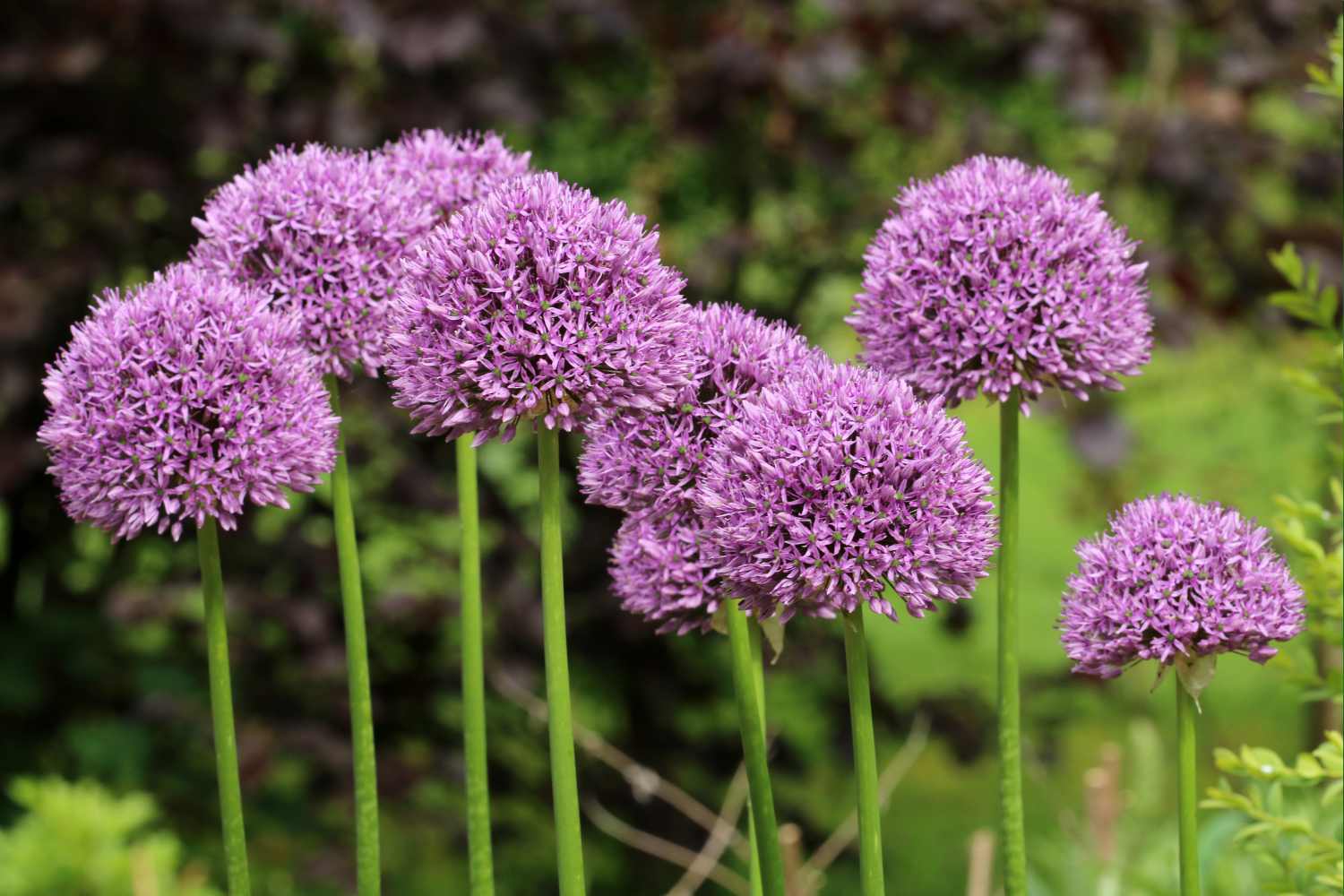
Among the most fascinating bulbs, the Allium Giganuum is definitely occupied a special place. It is an ornamental onion which, in late spring, turns into a living sculpture. Its flower, a purple sphere composed of hundreds of tiny buds, stands on a long stem that can even reach 1.5 meters in height. A real glance!
The original plant of Central Asia, it prefers well -drained soil and sunny positions, it does not fear the cold, managing to resist until -10 ° C without difficulty. To obtain the maximum scenic effect, better to plant bulbs in groups, creating a sort of purple cloud that will give movement and depth to the garden.
A curiosity? Each ALLIUM umbrella can contain thousands of small flowers, transforming itself into an irresistible banquet for bees and butterflies. If you love sustainable gardening, this is a perfect choice to attract pollinating insects and contribute to biodiversity.
Be careful, however: all parts of the plant contain sulphides, substances that can cause nausea if ingested. Also in this you will have to be careful: it is better to admire it with the eyes and let nature be enjoying its benefits.
Where to buy these bulbs?
Has the idea of transforming the garden into a small floral oasis conquered you? Well, let’s move on to the next question: where to find these bulbs? Today it is possible to buy them easily online (on Amazon Find you find them here: Fritillaria Imperialis, Lilium Orientale and Allium Giganteum), at specialized nurseries, or in gardening stores. Remember to always choose reliable suppliers, to guarantee you fresh and good quality bulbs.
The plantation must be performed with the right timing: autumn is the ideal time for fritillary and allium, while the lilium can also be buried at the end of winter. With little attention and a pinch of patience, spring will repay you with a show that you will hardly forget.
