
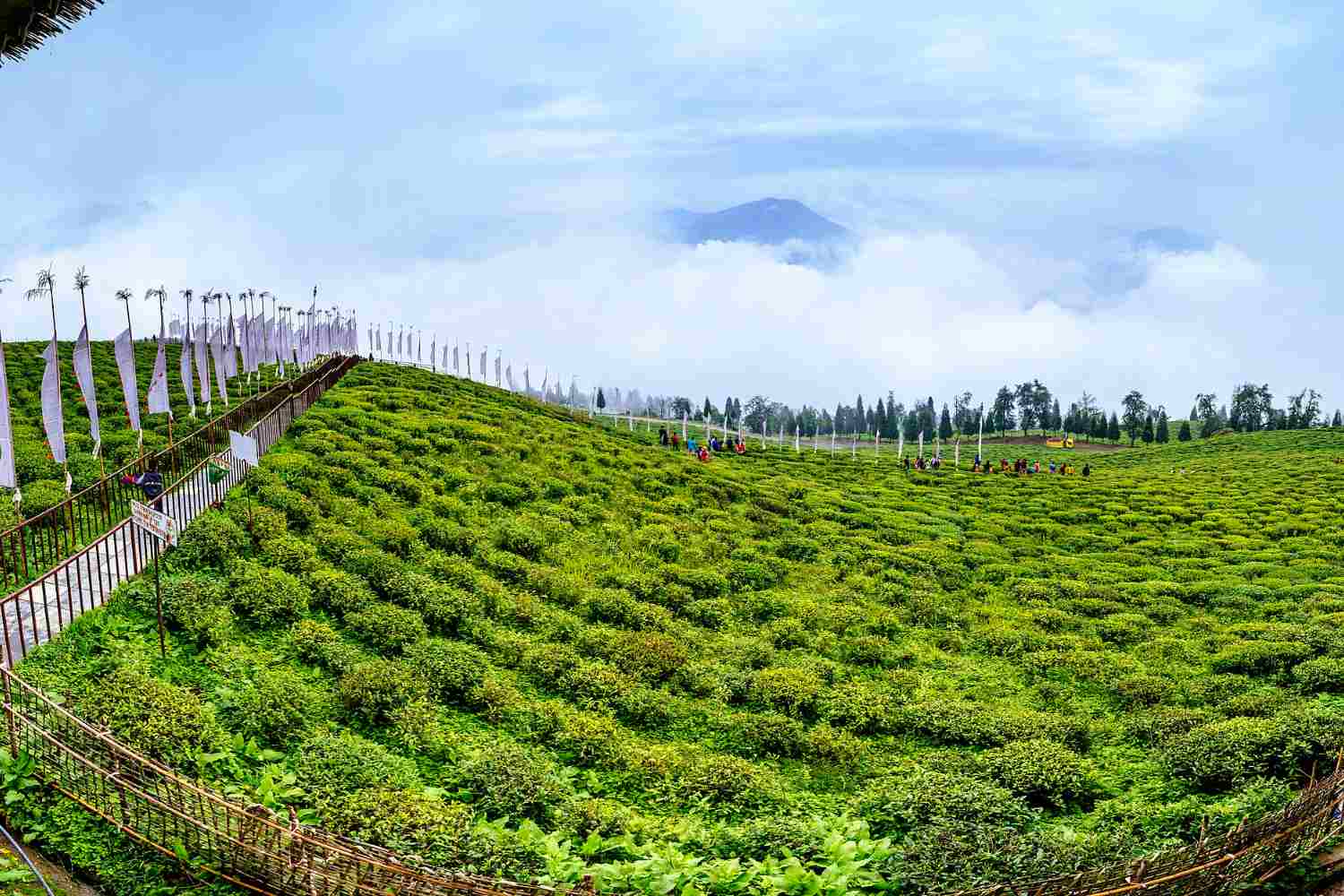
In the heart of theIndian Himalayaset between Bhutan, Nepal and Tibet, there is a small state that represents a real example of green revolution: it is the Sikkimthe first territory in the world to have adopted one entirely biological agricultural policy. From the 2016every corner of its over 7,000 square kilometers is free from chemical fertilizers And pesticidesmaking it a model for environmental sustainability and a new point of reference for the responsible tourism.
Sikkim’s approach to daily life is focused on a simple but powerful concept: the respect for nature. Here sustainability is not a fashion, but one philosophy of life. From local markets to the tables of the houses, Everything is marked by organic: the products are grown without chemical additives and local dishes tell a story made of tradition and purity. Drinks like the famous tea themes, grown in local plantations, and dishes such as nettle soups and millet fritters, are just some examples of authentic cuisine that can be enjoyed in this green corner of India.
A path that began in 2003
The path to become a completely organic state began in 2003thanks to a strategic decision of local government. Over time, thousands of farmers have been formed, while chemicals have been gradually eliminated.
In the 2015beyond 75,000 hectares of land they were already converted. This commitment has been recognized internationally: in 2018Sikkim received the Future Policy Gold Award Dal Fao, a prize that celebrates the best policies on agroecology.
Those who visit Sikkim can experience unique experiences, far from the classic tourist circuits. From walks among organic farms Of Yuksomto stays in eco-war Where to participate in seasonal agricultural activities, up to the fresh Ravangla markets and the ancestral traditions of the Lepcha community in the Dzongu region, everything speaks of a balance between man and the environment.
The Sikkim It is not just a tourist destination: it is a concrete example how you can live and travel in a way more aware and respectfuloffering a royal alternative to the loverourism and the effects of the climatic crisis. A place where travel becomes experience, and experience becomes awareness.
