
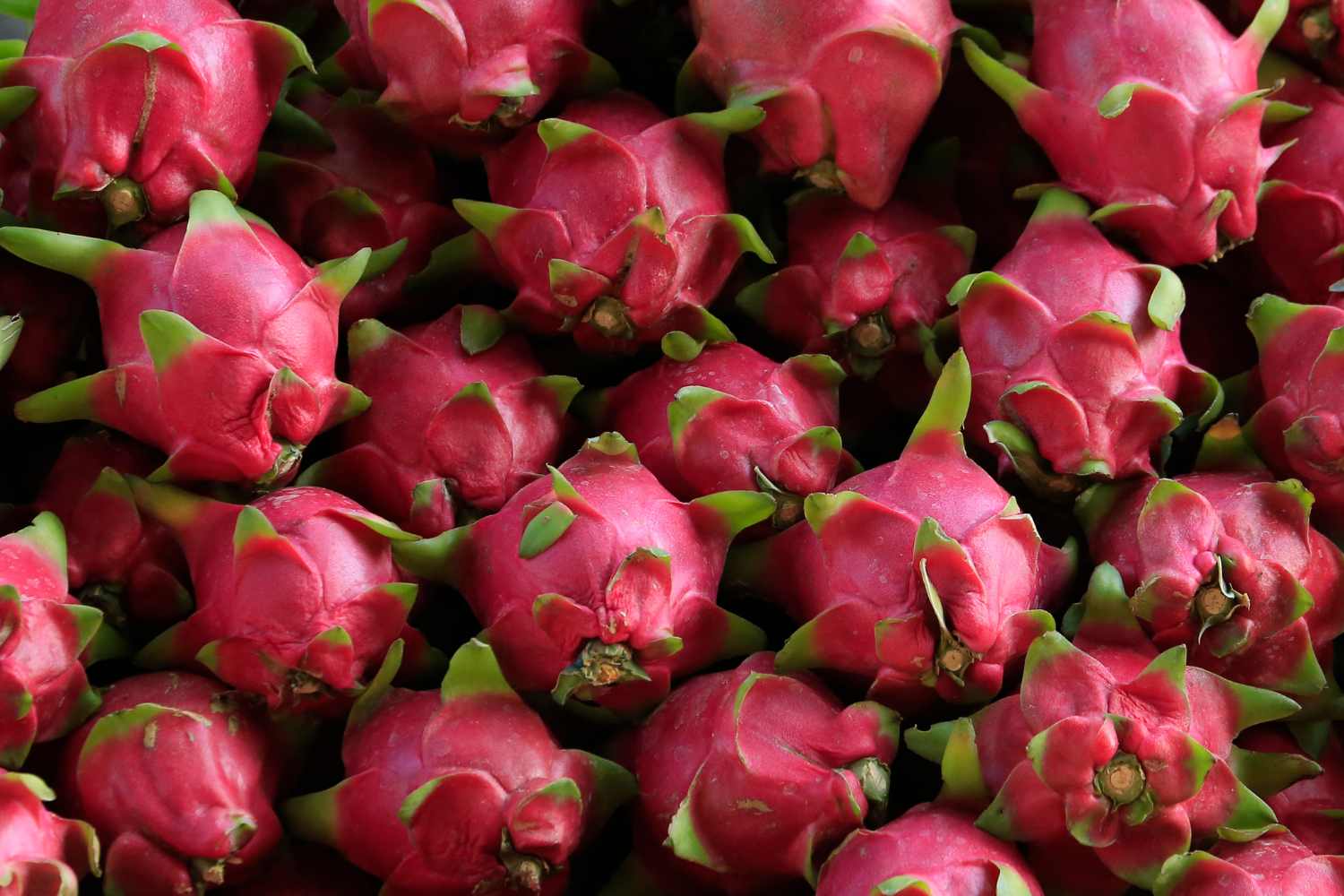
Colored, scenographic and full of beneficial properties: the dragon fruit is not only beautiful to look at, but it is a real cure -all for intestine, immune system and much more. That’s why it is worth taking it to the table.
It seems to have come out of an animated film, or by the creative mind of a designer in the mood for tropicalisms. The fruit of the dragon, or pitahaya For the most experienced friends, it is one of those cases where nature has fun playing with shapes and colors. Rosa bright skins, green tips like vitics of an imaginary plant and a chased pulp that recalls biscuits and cream: it is difficult to remain indifferent in front of such a wonder. It must be said that there is much more beyond the scenographic aspect. The first taste returns to us a mixture between Pera and Kiwi, with a thin sweetness and a crunchy touch that gives freshness to the palate. Not too sugary, not too acidic, in perfect balance. Beyond the taste, it is the list of its benefits that makes it interesting.
A tropical fruit that comes from afar
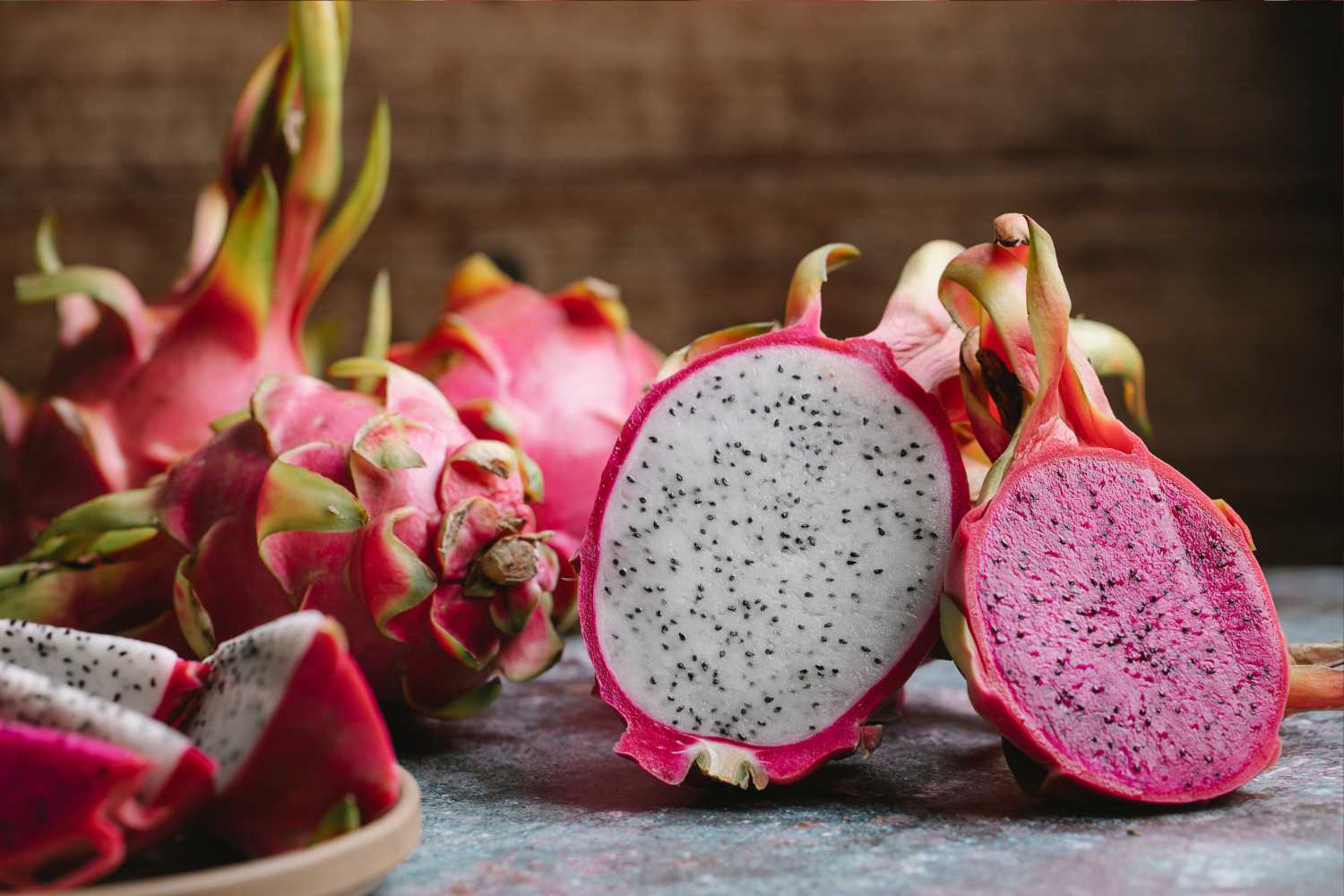
Originally of Tropical areas of Central America – Southern Mexico, Guatemala, Costa Rica, El Salvador – and belonging to the genre Selenicereusthe fruit of the dragon grows on climbing cacti that climb on poles and nets, as if they were twisted and thorny lives. Today it is also cultivated in Asia, Australia, the Caribbean and in many other hot areas of the world. And it has become a fixed presence in organic markets, in the smoothies of the healthy bars and in the instagrammable bowls of influencers.
There are multiple varieties, and the most common has the pink peel and the white pulp, but there are also versions with red or purple pulp, up to those with yellow skin, rarer and generally sweeter.
Very few calories, a full of nutrients
A portion of 100 grams of dragon fruit contains about 57 kilocaloriespractically nothing. The content is mostly water – almost 87% – which makes it a moisturizing and thirst -quenching snack. A “light” fruit, inside which there is a concentrate of precious elements.
In the foreground there is the Vitamin Cfundamental for the immune defenses, flanked by a good dose of antioxidantsincluding carotenoids, flavonoids and selenium. All allies against oxidative stress and chronic inflammations, those silent enemies that over time open the way for cardiovascular diseases, diabetes and even some tumors.
It is good for the intestine. And it’s not just a way of saying

Who has Problems of constipation, swelling or simply tries to maintain regularity, will find a precious ally in the Pitahaya. A single cup provides about 7 grams of fiber: a third of the daily needs. Soluble and insoluble fibers that act on several fronts. They regularize intestinal transit, nourish the microbiota – that microscopic universe that lives our intestine – and contribute to metabolic health.
And there is more: this fruit is full of natural prebioticsthose compounds that we do not digest but that serve as a fuel for the “good” bacteria of our intestine. A balanced intestinal flora does not only mean efficient digestion, it also means a stronger immune system, a healthier skin, even a more stable mood.
Magnesium, iron and potassium: a mineral reserve not to be underestimated
In Pitahaya we also find essential minerals such as the magnesium – about 14 mg per 100 g – which participates in over 300 biochemical reactions in our body. The ironuseful for combating tiredness and keeping the levels of hemoglobin in balance. And the potassiumfundamental for blood pressure and for the transmission of nerve impulses.
In practice, a small fruit that offers great resources.
The heart also gains us

Some studies suggest that the mixture of fiber, antioxidants and fatty acids contained in fruit seeds can contribute to Improve cardiovascular health. The oils of its seeds – similar to those of other cactus – contain unsaturated fatty acids such as Linoleic and Oleic, known for their positive effects on cholesterol.
It is certainly not a medicine, but inserted in a varied and balanced diet, the dragon fruit can give a concrete hand to general well -being.
Good, beautiful and versatile
It is good alone, half cut and eaten to the spoon, but it also works very well in smoothies, in fruit salads, in sorbets or even in salty dishes based on fish or grilled vegetables. Some freeze it in small pieces and use it to enrich colored bowls, with a guaranteed scenographic effect.
It is no coincidence that it has become the idol of many food bloggers: it is photogenic, healthy and lends itself to a thousand interpretations.
When to eat it and how to choose it
The best time to taste the dragon fruit is between spring and summer. It is increasingly found in well -stocked supermarkets and in organic shops. To choose a ripe fruit, you have to rely on the eye and touch: it must have a brilliant peel, without dark spots, and must slightly yield to the pressure of the fingers.
Once at home, it is kept in the fridge for a few days. If, on the other hand, you want to consume it later, you can also freeze the already cut pulp.
