
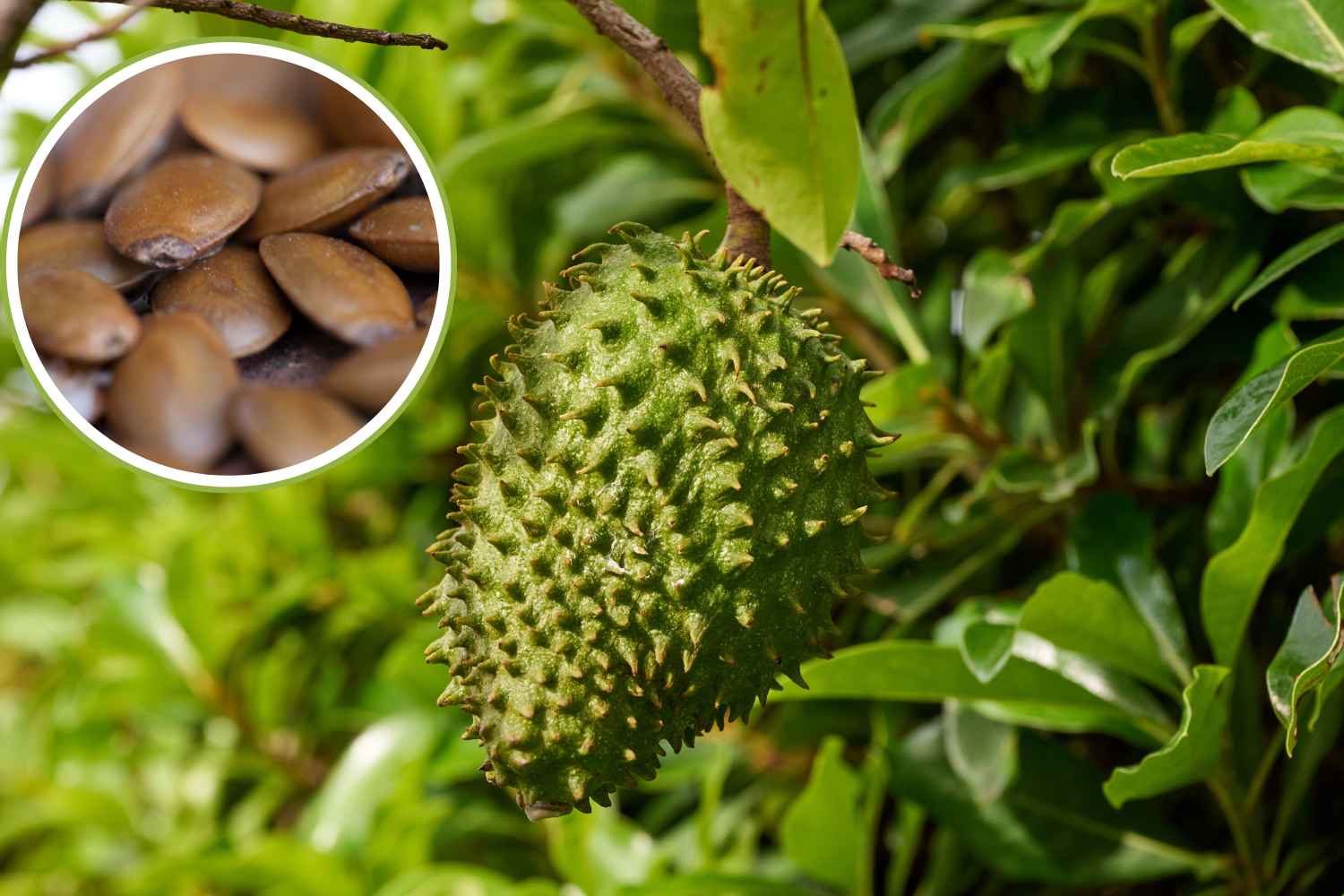
There graviola It is an exotic fruit rich in beneficial properties. Here are some Tips to cultivate it in pot or garden Starting from the seed. There graviola It is the fruit of the Annona Muricataa plant originally from the Antilles, which later spread to Asia, southern and South America, also arriving in Mediterranean Europe. The fruit of the graviola, often called simply Annona o mah, it is cultivated also in Italyto be precise In the Reggio Calabria area. This fruit has conquered a name of local origin and therefore we talk about Annona di Reggio.
If you do not have the opportunity to buy graviola seedlings, but you have managed to find their seeds or buy the fresh fruit, you could experience the cultivation of this plant. The success will be greater if you are in an area from hot climate in Italy or in the world. Keep in mind that in Calabria the Annona – or Graviola – begins the flowering to May. There maturation of the fruit takes place Between August and Septemberwhile the harvest begins at the end September and ends in half December.
How to sow graviola
You can acquire the graviola seeds Online or at a trusted nursery, or try to sow those you extract from the fresh fruit. You will have to sow graviola When the temperatures will exceed 15 ° Ctherefore indicatively in spring. Try to sow the graviola in a pot to be placed in a repaired place if the temperatures are not yet the ideal ones. Sow two seeds in each vase. Rather small, round and diameter of 12-15 centimeters are sufficient. Afterwards you will transplant the graviola into larger pots. Place the seeds at a depth of 2 or 3 centimeters.
How to cultivate the seedlings of Graviola
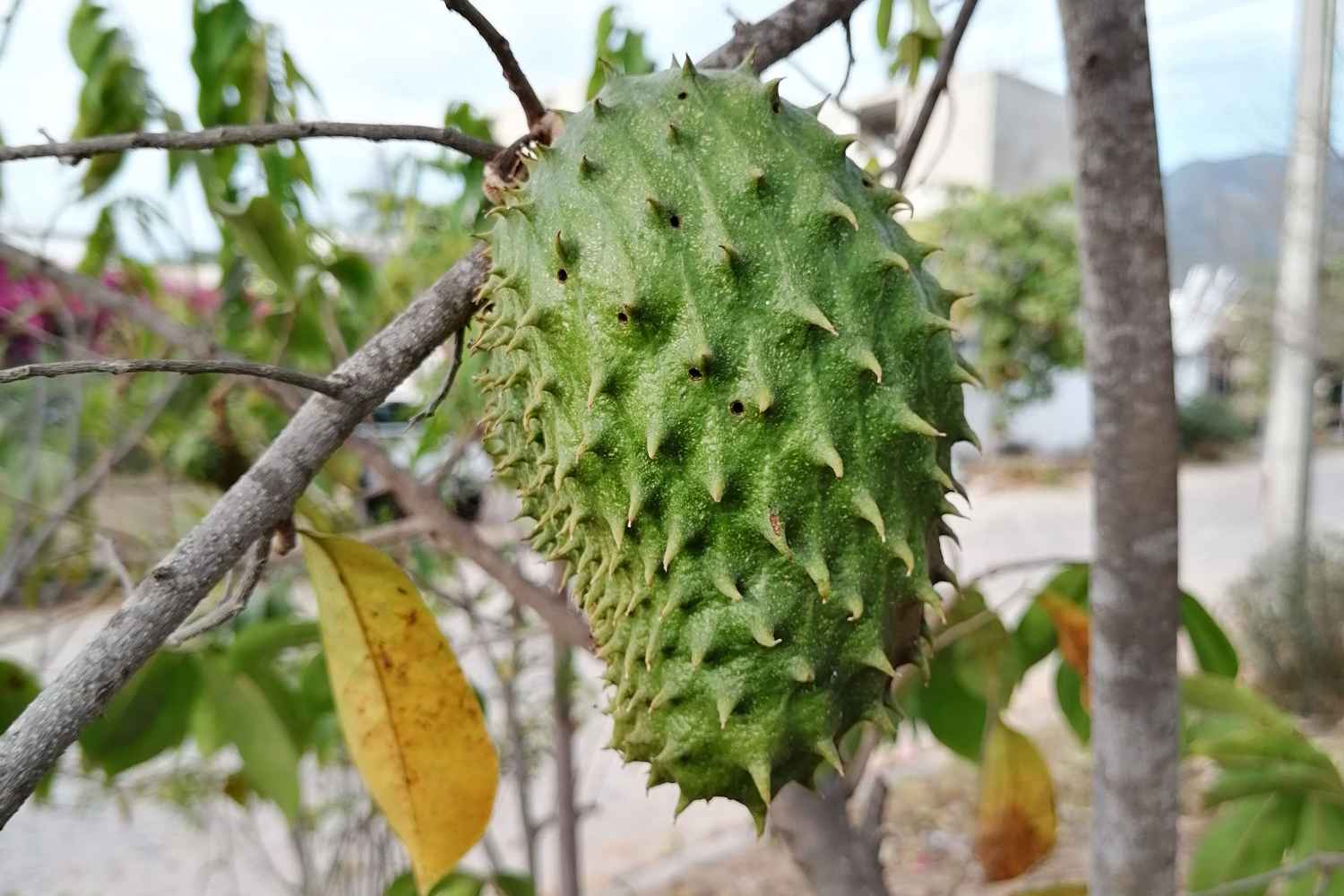
You will see your graviola seedlings sprout After about 15-20 days from sowing. Germination of graviola seeds is simpler when temperatures are mild. To encourage it, it is useful to wrap the vase in a plastic bag. This stratagem It helps to maintain soil humidity. Graviola does not like clayey areas and requires well drained soils. The graviola plant needs heat and humidity to develop. His growth it will take place above all during thesummerwhen the temperatures reach and overcome 25 ° C. The soil must always be humid, then water the graviola frequently, preferably in the evening, especially during the very hot days.
Transplant and pruning
When the graviola seedlings have reached anheight of about 30 centimetersyou can Transfer them to the garden or in larger pots. If you choose the vase, remember to place it in the sunniest part of the balcony, terrace or courtyard. Over time you will get a tree with a very thick hair. Vase cultivation is possible for a certain period, having enough space available and thanks to pruning pruning, to be performed at the beginning of spring. Prepare your vases for the graviola transplanting by lightening the soil with sand.
How and when to collect graviola
You will reap the fruits of the graviola during the autumn months. The fruits are ready when they begin to emit a rather sweet perfume and when their coloring takes on an intermediate shade between yellow and green. There maturation Fruits will then end in a repaired place, even at home, within two or three days.
How to keep the fruits
The taste of the fruit of graviola is sweet, aromatic and exotic. Its flavor recalls that of other tropical fruits, such as pineapple and banana. Its maturation takes place rather quickly. La graviola sThe deterioration easily. So it is good to keep the fruits only for a handful of days at room temperature and enjoy them when they are still well fresh and mature at the right point. As for conservation for major periods, graviola fruits are suitable for the home preparation of the jams.
In addition to the jams, the pulp is used to prepare smoothies, ice cream, sorbets, desserts and refreshing drinks. In many tropical countries it is consumed fresh or transformed into natural juices.
How to prepare the graviola juice
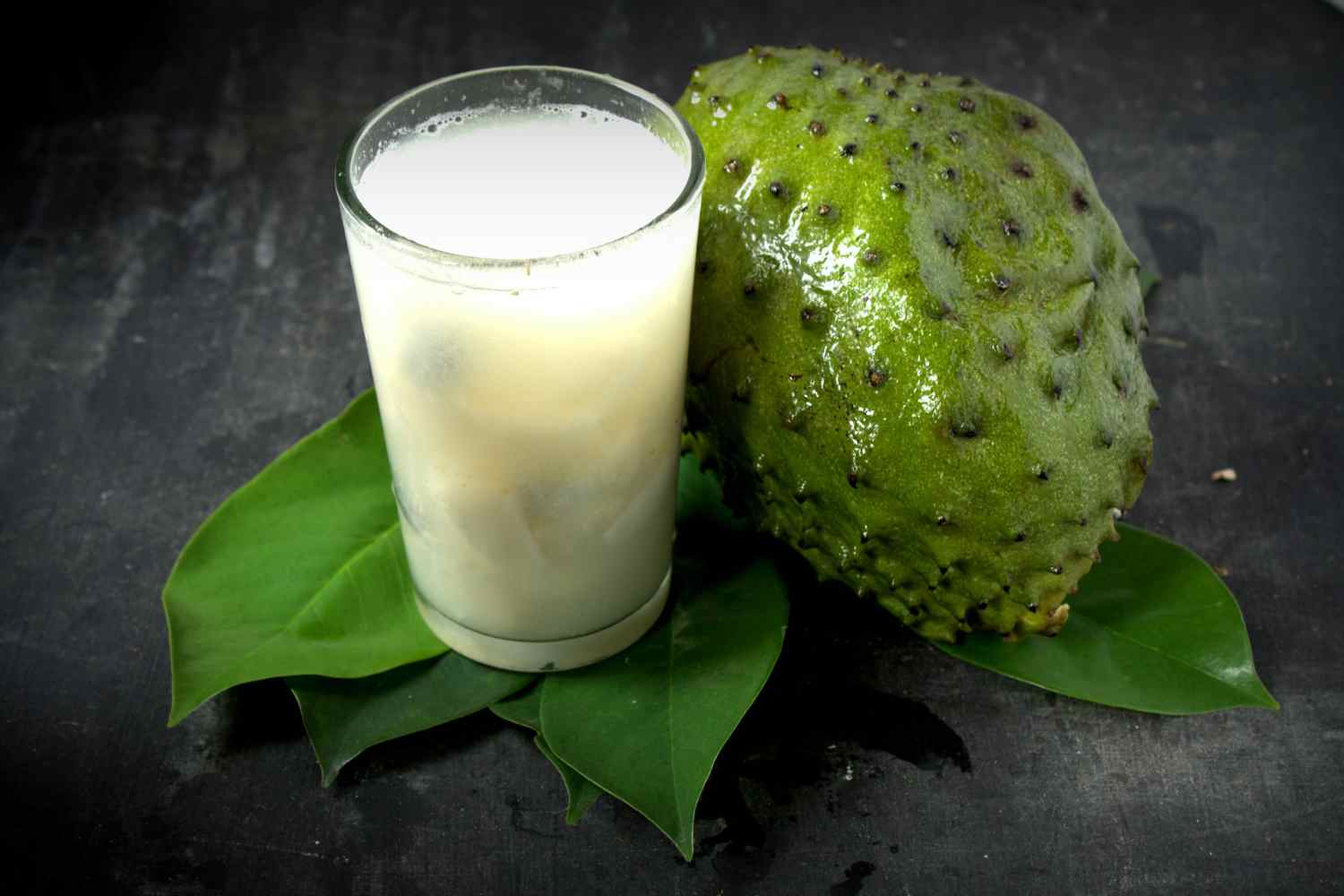
Ingredients
To prepare about 4 glasses of juice you will need a medium-sized mature grave, about 500ml of cold water, the juice of half a lemon and 2-3 tablespoons of sugar or honey as desired.
Preparation
Start by cutting the graviola in half and gently remove the whole white pulp with a spoon, taking care to discard all the black seeds you find. The pulp must be soft and fragrant, a sign that the fruit is at the right point of ripening.
Transfer the clean pulp to the blender together with the cold water. Blend for about a minute until a homogeneous and creamy mixture is obtained. At this point, filter the juice through a fine -mesh strainer to remove any larger pulp residues and to obtain a smoother consistency.
Add the lemon juice, which in addition to giving freshness helps to preserve the natural color of the juice. Sweet with sugar or honey according to your tastes, mixing well until completely dissolved.
Graviola juice should be served immediately cold, perhaps with some ice cubes. If you do not consume it immediately, keep it in the refrigerator for a maximum of 24 hours in a closed container, remembering to mix it before drinking it because it tends to separate naturally.
For an even more refreshing variant you can add a few fresh mint leaf during the bleeding, or mix the juice with a little coconut milk to obtain a more creamy drink with an intense tropical flavor.
