

How many times happens: Send a message, see the double blue check, but the answer does not come. The hours, the days pass, and nothing comes. Meanwhile, in the head, there is a whirlwind of questions. Is it angry? Are you ignoring about it? Have you lost interest? Are you offended? Or … is just thinking about what to say?
The universe of the chats is silently violent, because it deludes you with the promise of immediacy, and then left you in suspense with a void that speaks more than a thousand words.
Really who views and does not answer is ignoring you? Or behind that gesture – which seems hostile and negligent at the same time – there is a More complex emotional world?
The time of the answer
According to a study published on Researchgate entitled “I know you’ve Seen It”, the decision not to respond immediately may depend on numerous factors. Not only from what we think of the other, but also from how we feel ourselves. The time taken to respond to a message can be modulated by insecurity, anxiety, stress, tiredness, even from the perception of one’s social image.
Answer implies to expose yourself, and you are not always ready to do it. Sometimes, simply, there is no emotional force to face a conversation, not even if it is a few lines. Because responding, after all, is a relational act.
Emotional management

In an in -depth analysis published in Psychologist, Dr. Francesco Ziglioli, psychotherapist psychologist, explains that those who view and silent can be crossed by emotions that are difficult to manage. It can feel overwhelmed, inadequate, or simply too tired to support an exchange.
In some cases, The message received can activate complex emotions – as anger, frustration or anxiety – that the person prefers to avoid. Thus chooses silence, a silence that can hurt those who wait on the other side of the screen, but that for those who perform it can be the only way not to explode.
The problem, if anything, was born when the wait is prolonged, becomes ambiguous, and generates in the other that sense of refusal that affects in depth.
The effect of digital costcism

A study published in 2023 analyzes the effects of being ignored on WhatsApp, with reference to adolescent experience. The experiment has shown that Digital silence can trigger reactions similar to those caused by social exclusion in the recipient: drop in self -esteem, sense of abandonment, even physical pain. Yes, because the brain does not distinguish between a real refusal and a virtual refusal: at the neurological level, feeling ignored activates the same areas of physical pain. The silence after a message displayed is like a slap given lightly, but which still hurts.
Personal refusal and sensitivity

Each person reacts differently to this form of “micro-costrism”. The safest people tend to interpret the failure to answer with greater lightnesswhile those who have a story of abandonment, or a low self -esteem, can perceive it as a sign of contemptrefusal and punishment.
An article published in National Institutes of Health deepens the emotional responses to interpersonal refusal, demonstrating how these experiences activate deep and often unconscious psychological mechanisms. The limbic system – seat of emotions – reacts immediately, even before we manage to rationalize the incident. And so A simple “displayed and not answered” can become the detonator of ancient wounds never completely healed.
The anxiety of the perfect answer
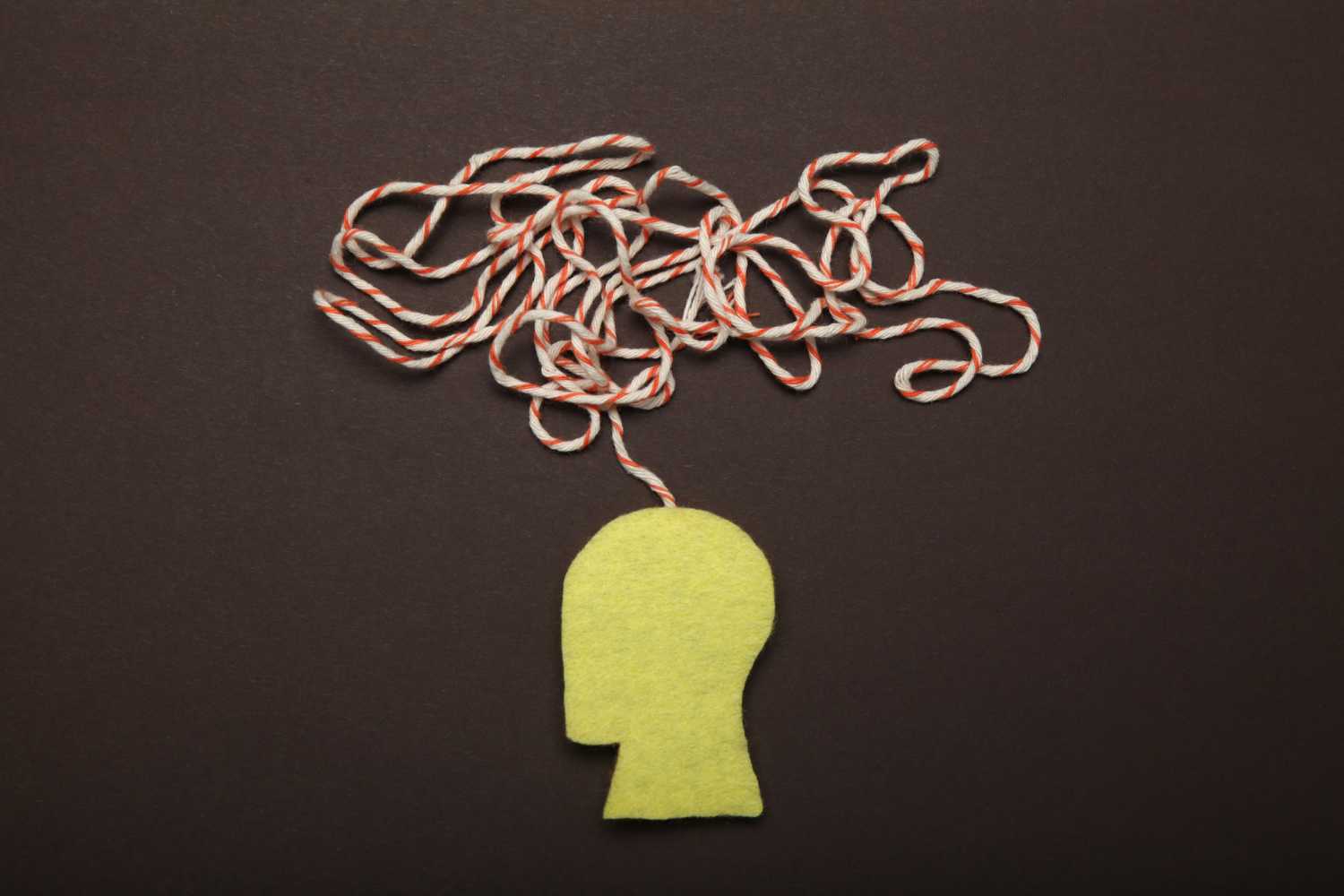
Then there are those who do not reply immediately by excess of scruple, because they do not know what to say, or fear to say the wrong thing. In a world that rewards promptness and condemns uncertainty, taking time to reflect is almost a subversive act.
Still, it is also an act of care, attention and respect for oneself. , of quiet to choose the words that do not hurt the other person.
The risk is that that time is interpreted as disinterest, making sure that between the writer and the reader, a void of interpretations opens, where projections and personal ghosts take over.
Expectations and reality
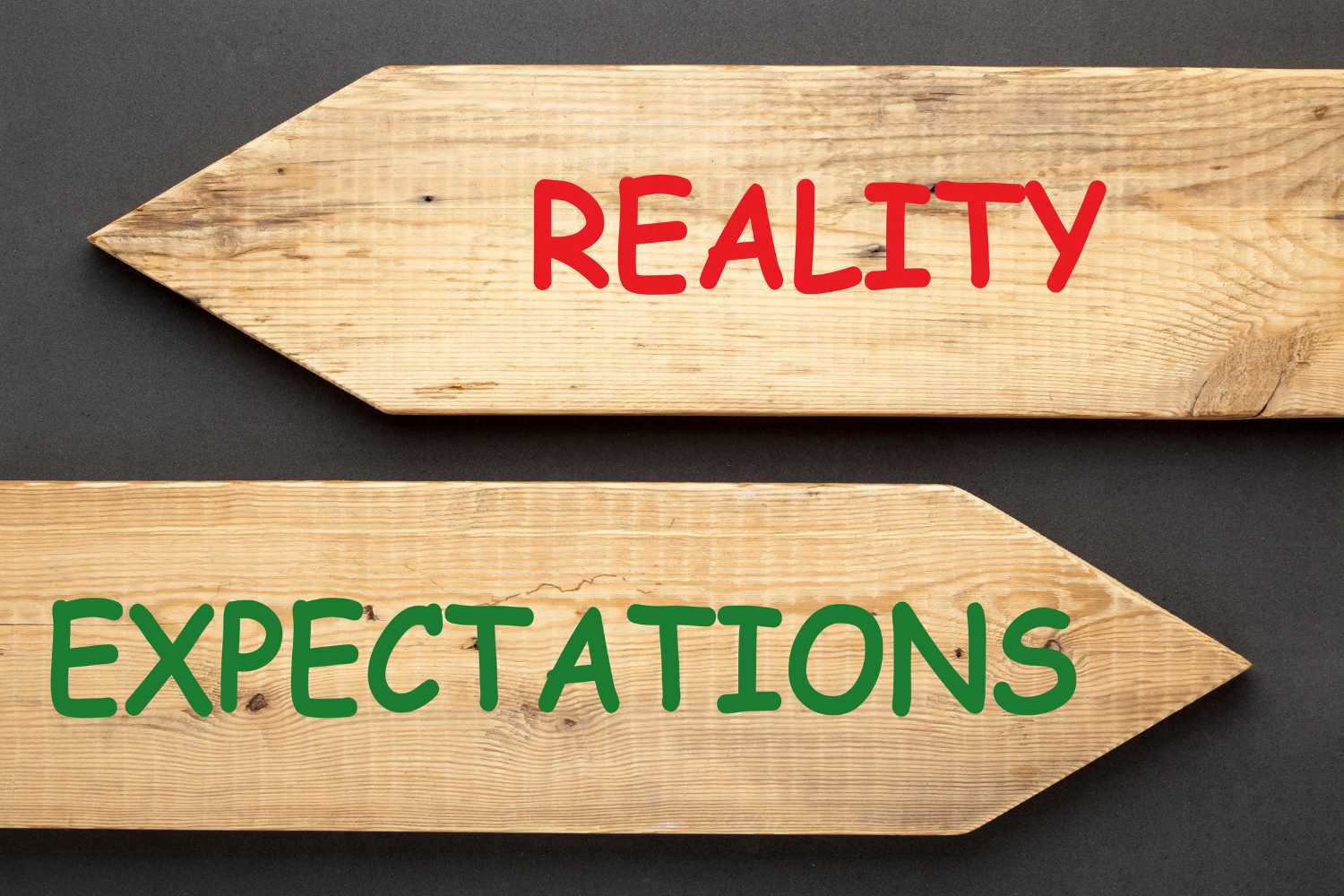
We live in an era in which everything is accelerated, including feelings. Answering immediately became synonymous with interest, do it delay, however, appears as a sign of coldness and negligence.
In reality it is not always like that, because The human being has emotional times that technology has upsetbut not deleted: each message received is a request for attention, as well as the expectation of the response represents a need for recognition. We are not scheduled to always be ready, and maybe it’s okay.
The responsibility of those who receive
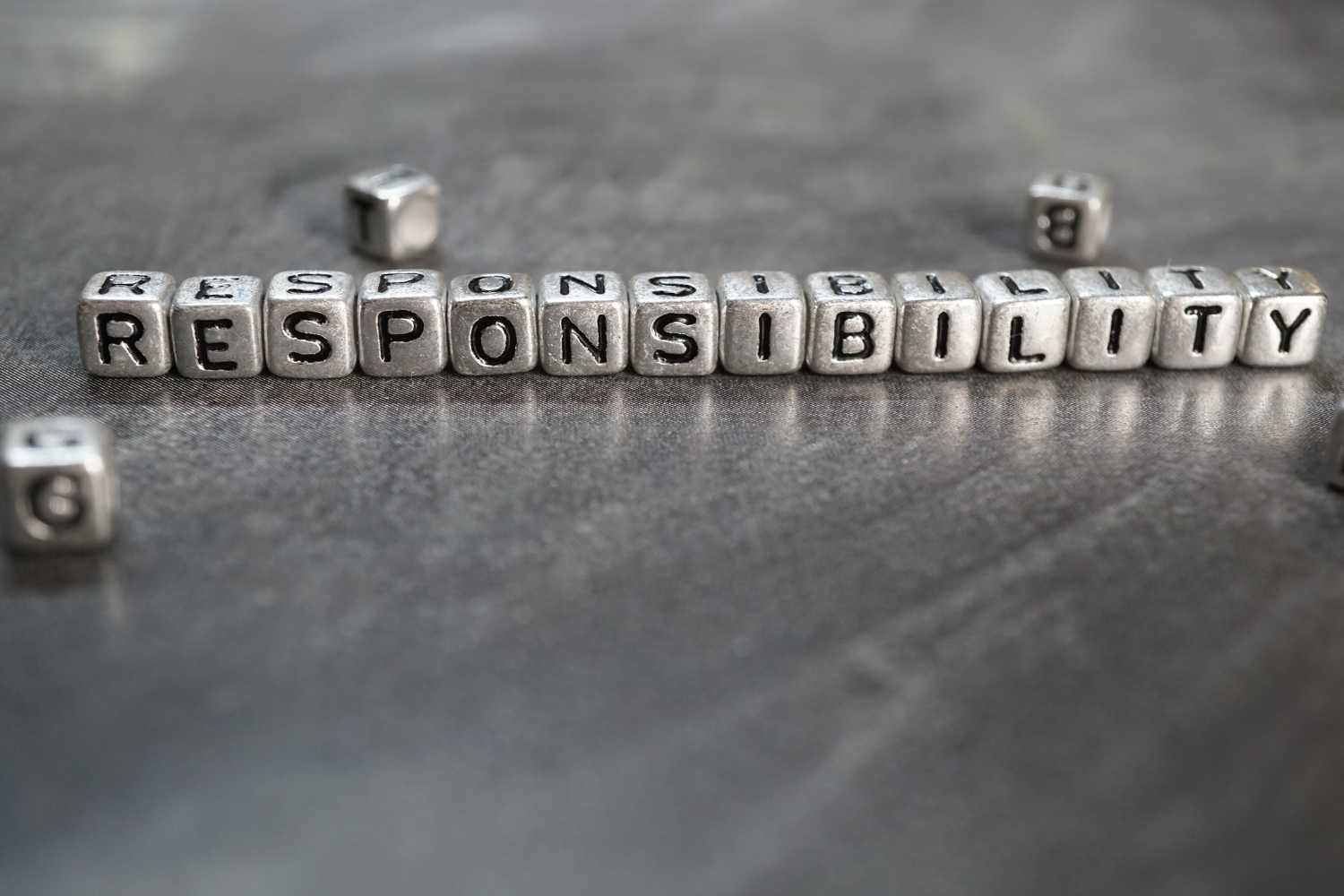
However, there is a point on which it is worth stopping: Those who receive a message has a relational responsibilityeven in silence. Systematically ignoring can become a passive form of aggression, a way to exercise control and to inflict a punishment to the other person.
Taking time is definitely fine, even if it should be communicated. A simple “I answer you later” can avoid fractures, misunderstandings and cracks, because in the era of continuous communication, silence also has a weight, which can become very heavy.
Viewing and not answering is not always an act of malice, nor necessarily a sign of disinterest. Often it reflects an internal state: a fatigue, an unresolved emotion, a need for pause, while considering that the person waiting for a response deserves respect.
The key is there, between empathy and communicationbetween the need to speak and the right to remain silent. Because unknown messages can wait, people a little less.
