
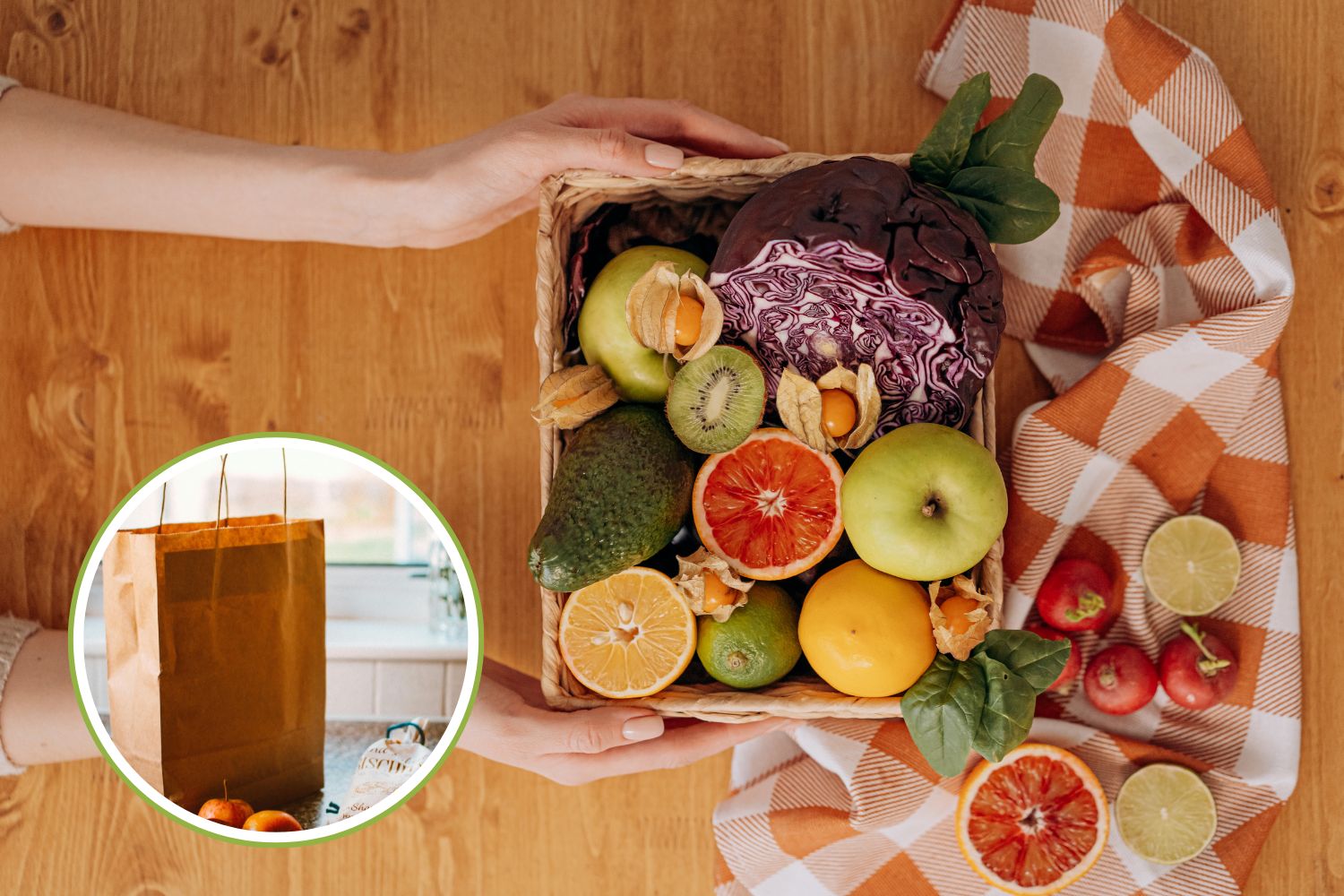
There Natural ripening of fruit and vegetables It often requires patience, but sometimes we need to speed up the process. Fortunately, there are simple tricks that allow you to taste ripe and tasty products in a short time, without the use of chemicals. Let’s find out what they are and how to apply them correctly.
Why do fruit and vegetables come about bitter on our tables?
Have you ever wondered why the fruit and vegetables we buy at the supermarket often appear unripe, hard and not very tasty? The reason is simple: to ensure a better conservation during transportavoid damage and allow a longer duration on the shelves, many products are collected when they are still partially unripe.
This method helps to avoid waste and damage, but often leaves us the task of completing the maturation directly at home. Fortunately, there are natural and simple methods to accelerate the process, thus enjoying perfectly ripe fruit and vegetables, sweet and juicy.
Practical advice for optimal maturation
With these simple and natural precautions that generally apply to all types of fruit and vegetables, you will always have ripe fruit and vegetables available at the right time:
Pears: the secret of perfect softness
The pears purchased often are hard and not very pleasant on the palate. To accelerate their maturation, follow these simple steps:
Citrus: ideal conservation to keep them perfect
Citrus fruits (oranges, lemons, mandarins) mature directly on the tree and are usually sold already ripe. To keep them longer avoiding that mature too quickly, the best advice is:
Keep them in the refrigerator if you want to slow down their maturation process. Alternatively, keep them out of the fridge at room temperature if you plan to consume them quickly. Citrusi tolerate both types of conservation very well.
Avocado: how to recognize the right time
Avocado is one of those fruits that we almost always find hard and immature in the supermarket. To quickly mature an avocado:
Place it together with apples, bananas or pears in a paper bag or a closed basket.
Check the maturation through the touch: a ready avocado will be slightly soft, with the peel that tends to darken and present small brown spots.
Once ripe, put it in the refrigerator to further slow down its maturation and enjoy it in the following days.
Peppers, courgettes and cucumbers: fresh and slow maturation
Unlike other vegetables, peppers, courgettes and cucumbers mature in the best way in fresh environments:
Keep them in the refrigerator, preferably in the least cold part (the vegetable drawer).
Avoid proximity to fruits that produce ethylene if you want to further slow down their ripening and keep them fresh longer.
Bananas: perfect sweetness in a short time
Bananas are among the simplest fruits to ripen quickly:
Always keep them out of the refrigerator, preferably near apples or pears that favor the release of ethylene. If you want to further accelerate the process, insert them into a paper bag together with other ripe fruits. In one or two days you will have perfectly sweet bananas ready for consumption.
When they are ripe, to slow down its maturation and keep them longer, you can put them in the refrigerator: the peel will become dark, but the pulp will remain perfect.
Tomatoes: perfect ripening thanks to the apple makeup
Tomatoes, especially if purchased green and immature, can also be quickly brought to ripening thanks to thehythyne. To make your tomatoes red and juicy in a few hours:
Once matured, you can slow down their further maturation by keeping them in a cool place, but always avoiding the refrigerator to better preserve their flavor and consistency.
Kiwi: makeup for an Express maturation
Even kiwis may always seem immature at the time of purchase, but ripening them quickly is simple and very similar to the process with tomatoes:
You can check its maturation by gently pressing the peel: when it slightly gives under the pressure of the fingers, the kiwi is ready to be consumed.
Grapes: tips to keep it fresh and tasty
Unlike other fruits, the grapes are already collected to the optimal point of ripening, for this reason it generally does not require techniques to accelerate the process. However, it is essential to keep it adequately to keep it fresh and crunchy longer:
The early collection of fruit and vegetables is a common practice in the food supply chain to ensure freshness and quality. However, as we have seen, with a few simple natural tricks it is possible to obtain a perfect maturation directly at home, transforming immature foods into tasty and nutritious products in a very short time. Knowing and applying these techniques will not only improve the taste of your meals, but will also help reduce food waste, allowing you to make the most of everything you buy.
They could also be interested in:
