
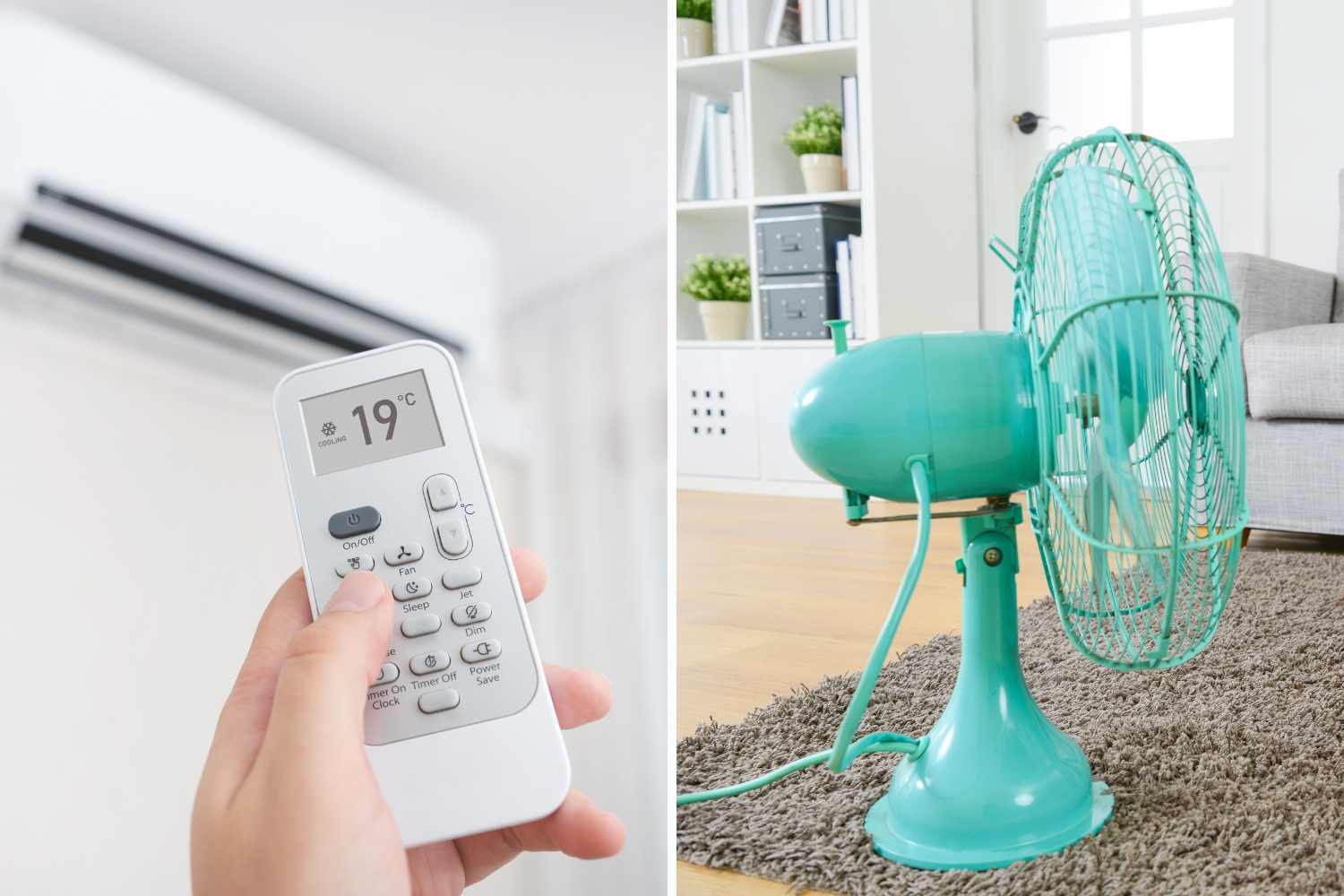
Summer is upon us and the shelves of the shops are filled with fans and air conditioners, with the usual question that returns punctual every year: What to choose to face the heat without emptying the wallet – nor to overheat the planet?
It is a far from trivial dilemma. Comfort, energy consumption, purchase price, environmental impact: each factor weighs, especially at a time when the heat seems to arrive before and more violent. So let’s clarify, starting from the bases.
The fan: little consumption, but also little yield
The fan is like that simple and reliable friend who, without overdoing it, gives you a hand when needed. It does not really cool the air, simply move it, creates current, dry the sweat and offers a sense of temporary relief.
The most obvious advantage? Consumption. Generally A fan consumes up to 20 times less than an air conditioner. And let’s not only talk about the electric current: no refrigerant gases, no noisy compressors, no additional emission in the atmosphere.
The initial cost is unbeatable: a good fan can be purchased with about 20/30 eurosand lasts years. It does not need maintenance if not a sprinkling from time to time, it works immediately and does not require installations.
But, and it is a “but” as big as an oven lit in July, when the heat becomes serious, the fan shows all its limits. If the air is boiling, the fan does not refresh it, it just moves it. A 35 -degree air current is still a 35 degree air current.
The air conditioner: efficient, but hungry

If you are looking for a true refreshment, the air conditioner is The only option that really changes the temperature. Aspires the hot air, it cools it through a cycle of compression and release of gas, and returns a cooler environment than different degrees.
The feeling is clear, immediate, sometimes even excessive. And the first risk is hidden there: the classic summer cold, son of polar temperatures in the living room and Sahara outside the window.
The second, more concrete, is the energy one. A portable air conditioner consumes between 700 and 2000 watts per hourdepending on the model – the power is powerful, the more energy absorbs – and in the long run the cost in the bill could feel: on average, A moderate season of use can cost from 150 to 250 euros more in a bill.
And then there is the initial cost: come on 300 euros up for a medium quality portable model. Fixed air conditioners, those you see mounted on the walls, can reach much higher figures, Up to 15,000 euros for reversible multisplit systemsalso capable of heating in winter.
Finally, the environmental impact: Air conditioners use refrigerant gasesoften harmful to the atmosphere, and, in urban contexts, they contribute to the “heat island” effect, raising the external temperature instead of reducing it.
VS Air Conditioner Finer: Direct comparison
Here is a list that summarizes the main aspects to consider for each option:
Purchase price
Energy consumption
Ecological impact
Effectiveness
Practicality
Maintenance
Is there a third way?
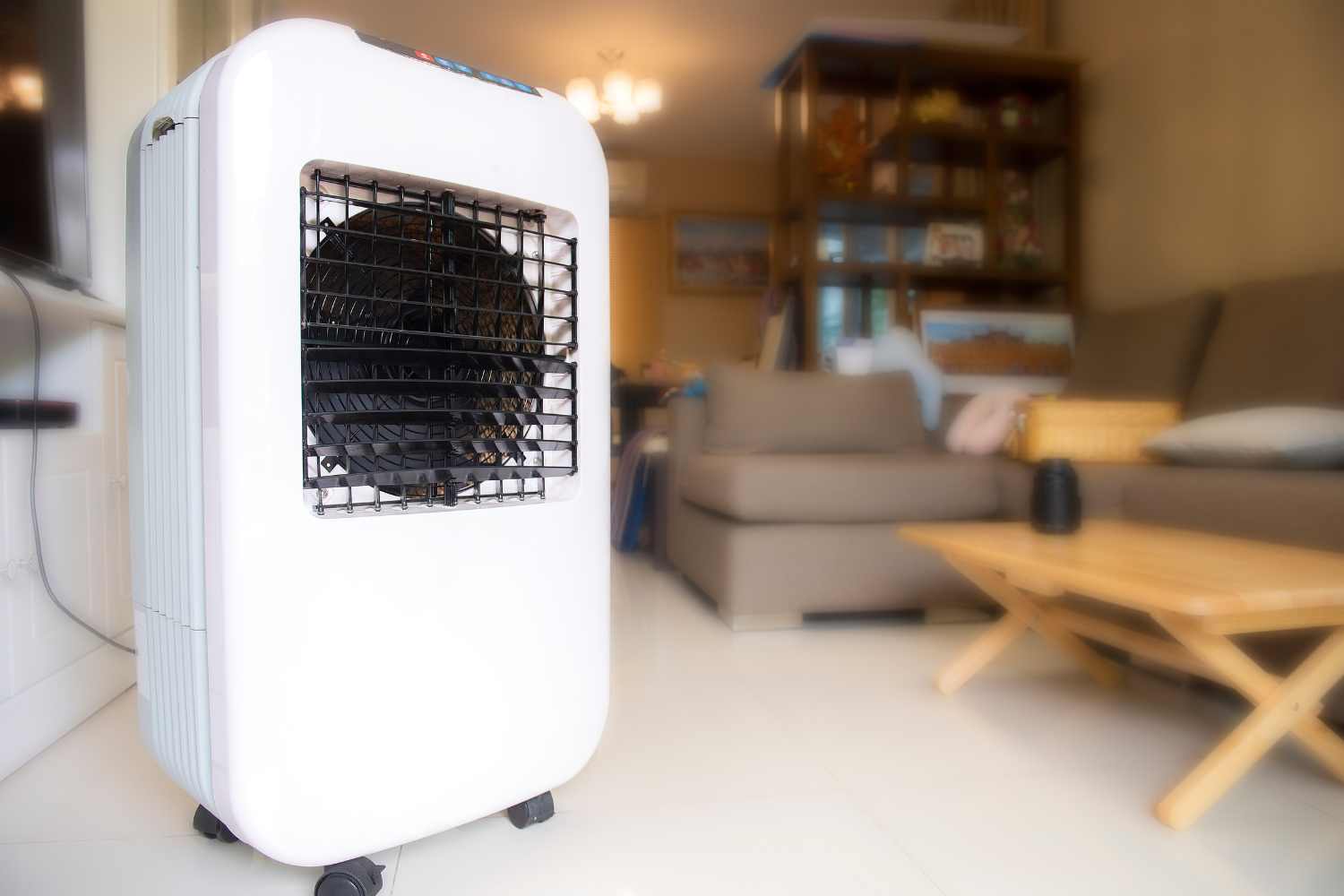
For those looking for a compromise, there is an intermediate solution: the evaporative cooling. It works thanks to a water tank that, evaporating, absorbs heat from the air and refresh it of a few degrees.
Compared to the air conditioner, it consumes much less, compared to the fan offers some royal refreshment. The largest limit is linked to humidity, given that It works well in dry environments, less in maritime climates. The cost is between 50 and 500 euros, depending on the model and power.
It is not the panacea of all evils, but it can be a good solution for those who want to spend little, avoid harmful gases and still obtain a tangible improvement.
The truth? It depends on your habits
Choosing is not easy, because it is not just about power and price. It matters where you live, how long you spend at home, how your home is exposed, and how much tolerance you have towards the heat.
In a well -isolated house, with shielded windows and good cross ventilation, a fan can be enough, in an attic under the sun, definitely not. The advice is think in timebefore temperatures explode and products disappear from the shops. Better still, consider the different structural solutions: external curtains, roof insulation, Double fixtures. They cost more, of course, but last years and reduce the need for electricity.
