
The perfluoroalchilic and polypluoralchilic substances (pfas) They are chemical compounds used in a wide range of daily use products: from non -stick pans to food packaging, from waterproof fabrics to cosmetics, and unfortunately they have also come to contaminate drinking water and food.
Precisely because of this wide diffusion, the PFAS represent not only a serious environmental problem but also a risk to human health, since they can enter our body every day through what we eat and drink.
Their danger derives from the fact that they resist degradation, both in the environment and within the human body, accumulating over time. This is why eliminating them is extremely difficult. Several studies have then connected them to numerous health problems, including tumors, hormonal imbalances, female damage and weakening of the immune system.
But a new research, recently published in the magazine Environmental Healthseems to offer one Possible natural solution to help the body get rid of it: It is a compound present in some common foods. And the results are promising already after only four weeks.
The study
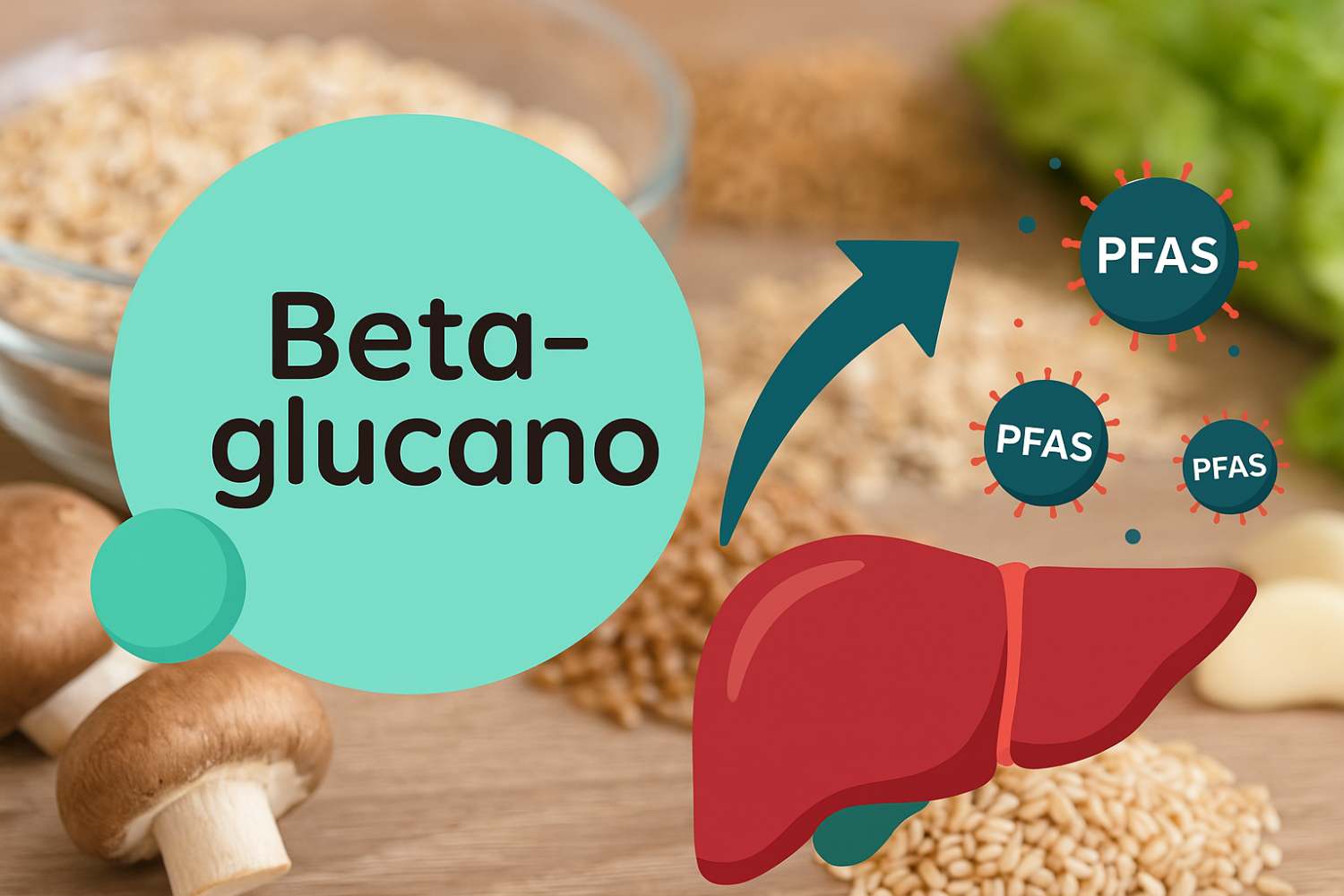
As we already said, the PFAS are extremely resistant chemical compounds, capable of accumulating in the human body and escaping normal detoxification processes. But the study we are talking about today has brought to light a possible method to reduce the quantity of pfas in the blood through the intake of A soluble fiber called Beta-Glucano.
Beta-glucano is a fiber present in different foods and acts mainly in the digestive tract. His ability to bind to the Pfas present in the digestive system prevents these substances from being reabsorbed in the body. In this way, the beta-glucan favors the expulsion of the PFAS via the feces, helping to reduce their concentration in the bloodstream.
In the new study, a group of 42 men with detectable levels of Pfas in the blood has taken on a beta-glucan supplement derived from the grid, dosed one gram three times a day. The results highlighted an average reduction of 8% in the levels of two particularly harmful PFAS: PFOA (perfluorottanoic acid) and pfos (perfluorottaneseolfonic acid). And the beneficial effects were already seen in 4 weeks.
The potential of beta-glucan in promoting the elimination of chemicals from the body had already been hypothesized by previous studies, but this research represents one of the first concrete evidence of its direct effect on the PFAS. Although the reduction found is modest, it is an important step forward towards the development of food strategies to counter the accumulation of these pollutants in the human body.
Beta-glucan foods to be included in the diet
It is important to underline that the study was conducted using a specific beta-glucan supplement, and that further research is currently needed to define precisely how to make the most of these properties in a daily food context.
But, waiting for more detailed confirmations and indications, it costs nothing more often in our diet Foods naturally rich in beta-glucanowhich could offer similar benefits.
Here are the main ones:
For example, you can start the day with a portion of oat flakes or wholemeal muesli; enrich soups and lunch or dinner soups with barley or rye; Experiment with the addition of fresh or dried mushrooms and marine algae in fish dishes or in salads. Finally, use food yeast as a tasty seasoning.
Although integrating food-glucan foods in the diet can help us reduce the levels of PFAS in the body, the best approach obviously remains that of Find effective solutions to completely eliminate them from the environment and our food sources.
