
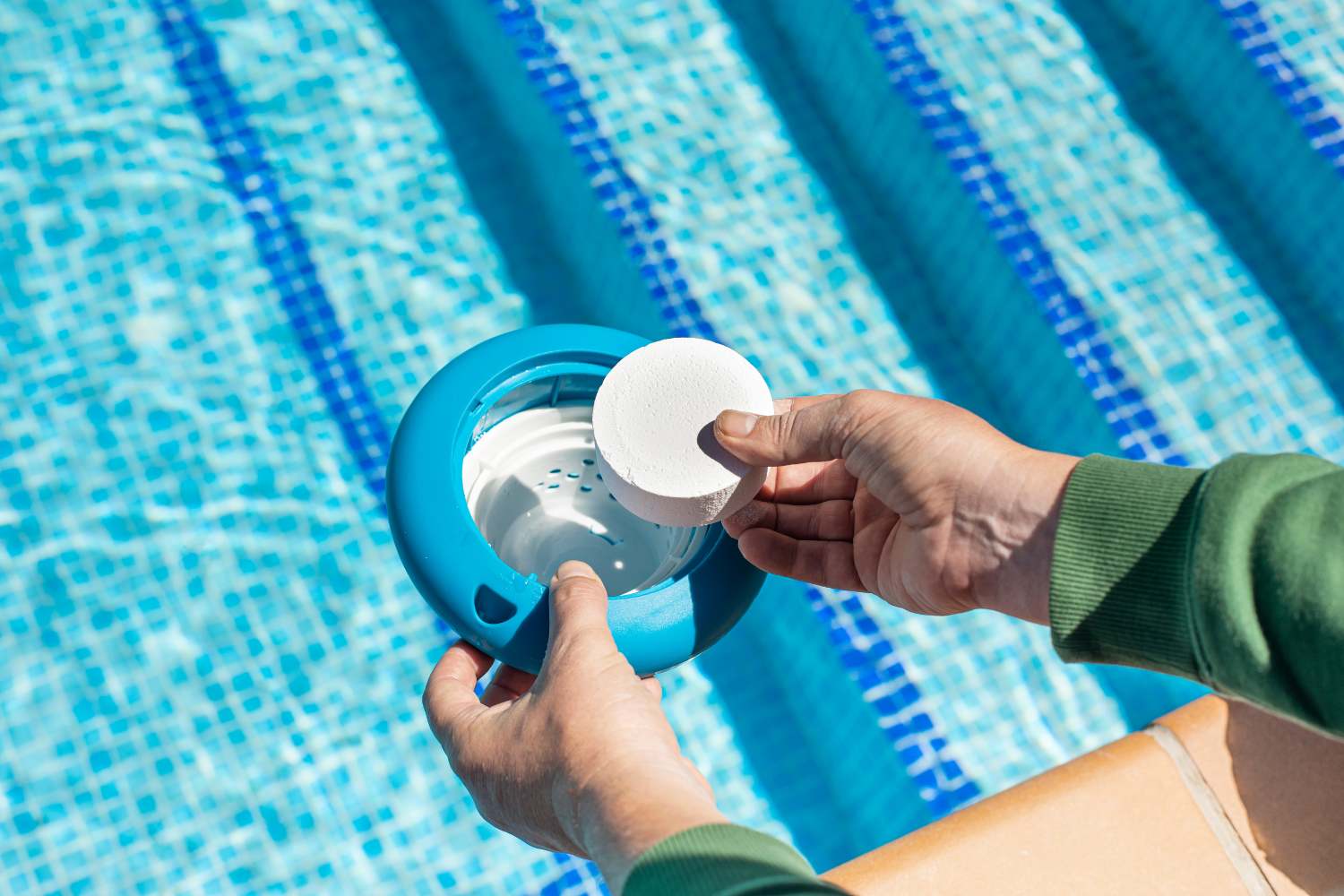
When we think about swimming pools Reassuring images immediately come to mind: children playing, adults lying in the sun, refreshment from the summer. In short, we associate them with places of relaxation and entertainment, perfect for enjoying a carefree day. Yet, what happened in recent days in a swimming pool in Rome has abruptly broken this idyllic image.
Perhaps you will have heard the news: on Monday 2 June, in a sports center in Rome in the Borghesian district, on the south-east suburbs of the capital, a chlorine escape caused the intoxication of five children who were in the tank. One of them, just 9 years old, was hospitalized in intensive care at the Policlinico Umberto I. His conditions would be stable, but it is feared for possible permanent neurological damage.
According to the first reconstructions, a large amount of chlorine would have suddenly escaped from the vents, dyeing the water of yellow and saturating the toxic fumes environment. Two other children were hospitalized, while two were discharged after the care in the emergency room.
The prosecutor has opened a file for very serious injuries. The swimming pool has been seized and water analyzes are underway. But the episode reported a theme too often underestimated in the spotlight: safety in swimming pools, especially private ones.
Chlorine: an ally that can become dangerous
To ensure the hygiene of the swimming pools, chemicals such as sodium and calcium hypochlorite, tricloroisocyanuric acid and other acidity correctors are used. They are indispensable for eliminating bacteria and viruses but, if not correctly dosed or poorly mixed with each other, can generate gaseous chlorine, a highly toxic substance by inhalation.
The president of the Italian Society of Environmental Medicine (SIMA), Alessandro Miani, He explained that the combination of chlorine with acid correctors such as sulfuric acid can cause the liberation of poisonous gases. The result? Acute intoxications including very serious ones, such as the one that hit Roman children.
Gassous chlorine, in fact, can cause burns, throat, eyes and airways in a few minutes. The most common symptoms are violent cough, vomiting, skin and eye irritations, breathing difficulties. In severe cases, hemorrhages, respiratory failure, lung infections and neurological damage can occur. Chronic exposure can lead to bronchitis, conjunctivitis, anemia, neuropsychic and kidney alterations.
An underestimated problem (but growing)
That happened in Rome is not an isolated case, as we might think. Miani stresses that in recent years The episodes of poisoning in Italian swimming pools are increasing, often for bad management of chemicals. It should then be considered that many minor cases, in which temporary irritation and ailments appear, are often not reported or connected to the exposure to chlorine.
Miani in an interview said:
It is only the last episode of a long series that raises growing concerns on the issue of security in Italian swimming pools. It is striking because it has affected so many children all together, even if similar cases are not very rare. This is not an alarm due to an alarm in itself, but which reports attention to the consequences of potential carelessness or currencies by those who should keep the maintenance of a swimming pool or in general of the purification and sanitation of water. It should also be remembered that there are also different procedures compared to the use of chlorine.
Still, this theme remains on the edge of the public debate. One wonders: how many swimming pools, especially in private circles or in condominiums, are really managed with competence? How many have staff formed on the safe manipulation of chemicals? How many do periodic and punctual checks on chlorine concentrations in the water?
For now, they are without clear answers. But there is a certainty: Chlorine, if used badly, can be dangerous. And ignore this risk does nothing but increase its probability.
. But the time has come to deal with due seriousness the use of disinfectant substances in swimming pools, especially when they are frequented by children.
We need greater commitment by the health authorities in promoting systematic and more transparency controls in the management of the plants.
Who controls the use of chlorine and what to do in case of intoxication
Miani explains that the control of the quantity of chlorine used in swimming pools is entrusted to maintenance managers, often specialized external or internal companies to public and private structures. In an interview he said that:
Their task is to verify that the correct proportion between the volume of water and the amount of disinfectant used is respected. In Italy, the disinfection with chlorine is regulated by a special pool hygiene regulation (State-Regions agreement of January 16, 2003 and subsequent regional regulations).
The expert warns that The first symptoms of chlorine intoxication can appear quickly And they include burning eyes, throat and mouth, irritation of the nasal mucous membranes and lips, pain or swelling in the throat with difficulty swallowing or speaking. In severe cases, persistent cough may occur, a sense of constriction to the chest, a frantic breath, especially in asthmatic subjects or with sensitive respiratory tract. Clear ingestions of chlorine also cause nausea, vomiting and stomach pain.
Unfortunately, children are particularly exposed, for their greater skin and respiratory sensitivity and for the tendency to ingest water while playing.
In case of suspected intoxication, it is recommended to immediately remove the person from the water and bring it to a well -ventilated place, remove the wet clothing and wash the skin with warm water to eliminate chlorine residues. If the subject complains of nausea or difficulty swallowing, food or drinks should not be administered if not on medical indication.
It is essential to contact rescue or go to the emergency room if breathing difficulties, persistent gastrointestinal symptoms or alterations of the state of consciousness are manifested.
