
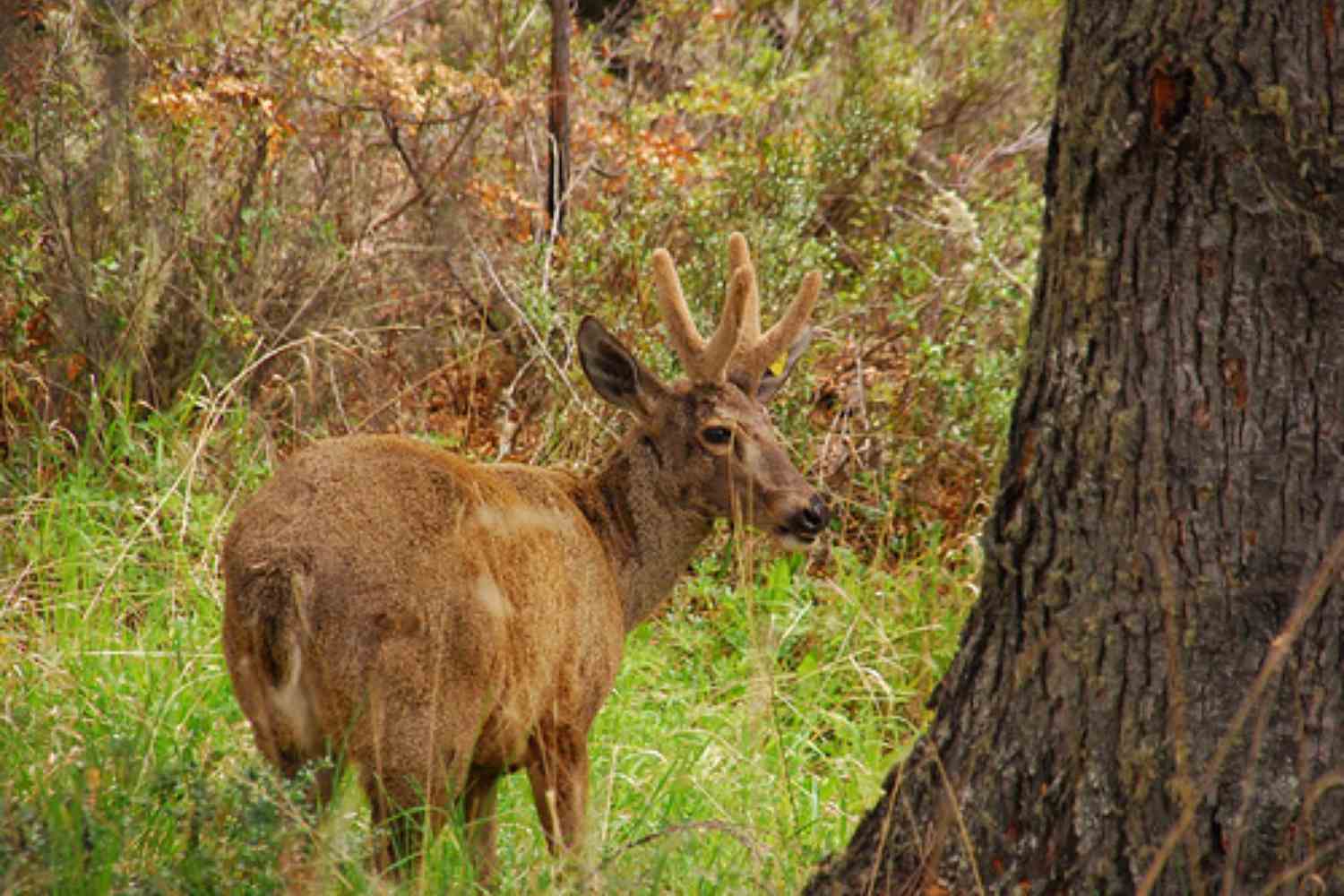
With the aim of Protect Huemulone of the most threatened deer in the world, the Huilo Huilo Foundation and the administration of the national parks (APN) of Argentina have signed a joint declaration that gives life to the First transnational biological corridor in the Los Ríos regionbetween Chile and Argentina.
Thanks to this agreement, the Huemul will be able to move freely Among the Biological Reserve Huilo Huilo (Chile) and national parks Lanín and Nahuel Huapi (Argentina), thus favoring theirs Reintroduction in historical habitats from which they had disappeared for over thirty years.
The news was made public on the occasion of the twentieth anniversary of the South Huemul conservation center, which obtained exceptional results such as the reproduction in freedom and the Return of the species to Argentina After decades of absence. Today, about 40 specimens They live in the Chilean reserve, many of which already integrated into the natural environment.
The first step of a young Huemul born in freedom
Second Guillermo Díaz Cornejospokesman for the APN, “Binational cooperation is essential, because Huemul knows no boundaries”. The project also provides for the Training of reproduction centers in Argentinainspired by the Chilean model, and shared actions for The monitoring, environmental education and sustainable tourism.
A symbolic moment took place with the case of Newenchechea young Huemul born in freedom he has spontaneously crossed the new fauna corridor up to the Argentine province of Neuquén. It is the first specimen to have taken this path since the species had extinguished in the area.
Huemul is a endemic deer of the Austral Andesnow reduced to less than 1,500 individuals. Considered one Umbrella speciesits presence is crucial for maintain the balance of the ecosystem of the tempered wet foresthabitat shared by other species such as Guanaco and Puma. After Twenty years of tireless workthis new stage represents one concrete hope for the survival of Huemul and for the protection of Patagonal biodiversity.
