

You could easily find the recipe in the old gardening notebooks, others to hear it suggest from the aunt that cultivates tomatoes on the terrace, someone else stumble on Tiktok, ending up trying it, convinced that they have discovered the Holy Grail of natural cleaning.
The strange -based herbicide is simple, cheap, apparently natural: a few moves are enough, such as a handful scattered among the escapes of the pavement, a solution dissolved in hot water, or a targeted jet on the “offending” plants to see them yellow and dry as of enchantment. The fact is that behind this gesture as easy as inviting a environmental damage that many ignore, and that – once triggered – is difficult to repair.
The salt, apparent ally, declared enemy of the garden
The mechanism is as simple as it is devastating: sodium chloride, i.e. kitchen salt, dehydrated plants cells, compromises osmotic pressure and prevents the absorption of vital nutrients such as calcium, magnesium and potassium. Result? The roots dry out, the leaves yelling and the plant dies. Unfortunately The departure will not only concern the annoying herbaccia that hides between the stones, but also everything that is located nearbybecause the salt has not yet reached – and perhaps it will never do so – the ability to distinguish between an inflestant and an aromatic shrub, between a tuft of gramigna and a lavender seedling.
And, even more serious, It does not disappear with a rainOn the contrary: the water drags it into the ground, makes it penetrate the deep layers until it reaches the aquifers, poisoning everything it encounters on its path.
A soil destroyed, invisibly
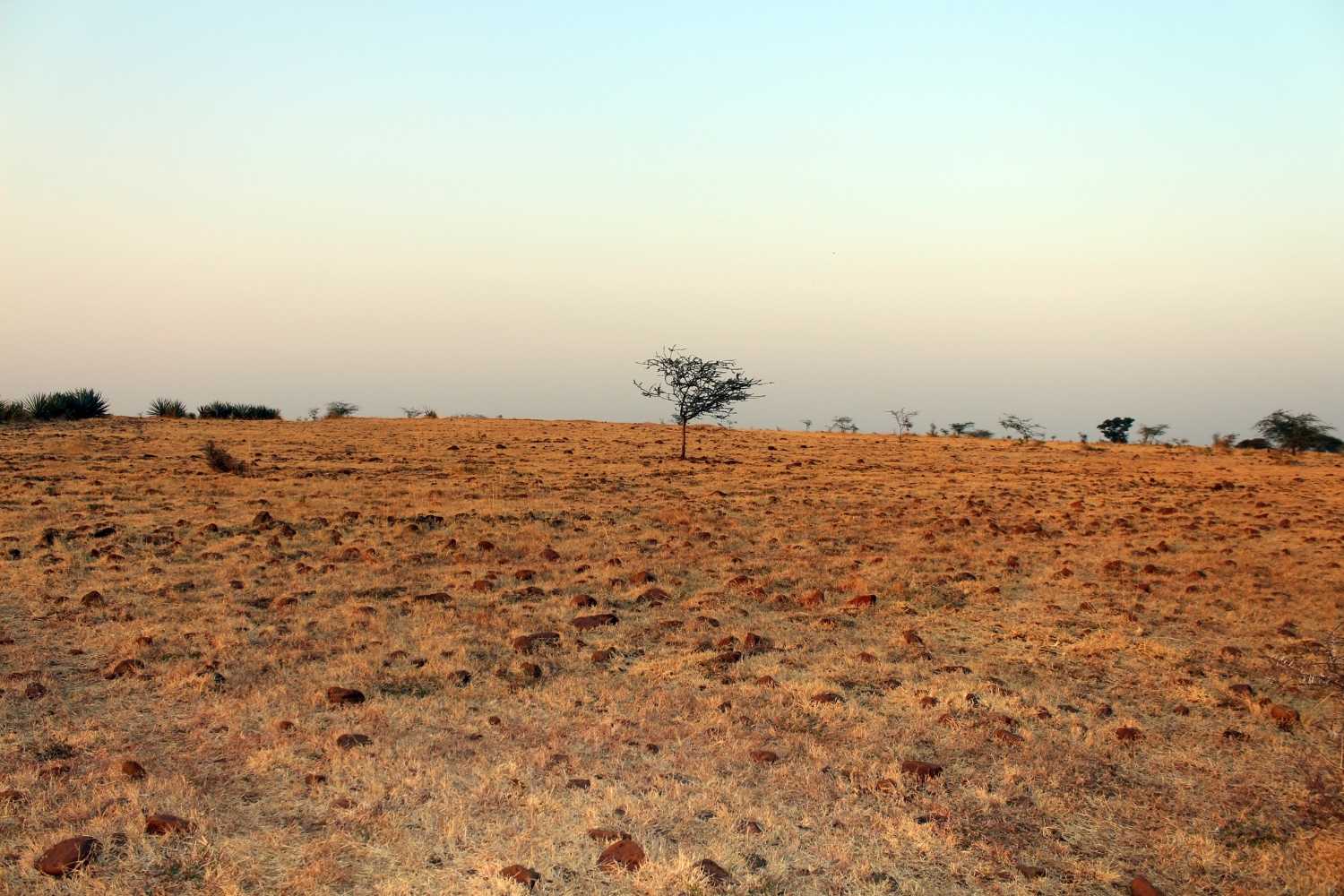
Anyone who did it at least once almost certainly did not realize it immediately, because at first glance the ground would appear clean. The problems will arrive in the long run, and after a few weeks you can understand what happened: The soil will become hard, waterproof and sterile, the earthworms will disappear, like bacteria and symbondic mushrooms. The earth will lose its crumbly and vital structure and will turn into a cemented block, unable to host more life. At that point, even a simple flower will become impossible to grow, and our garden will turn into a desert.
A legacy to leave behind
It is not the fault of the grandmothers, who perhaps used it on small traits of courtyard, in an era in which there was no talk of biodiversity and the balance of the soil was a concept still far away. But today we know: salt is a persistent poison for the environment. The fact that it is natural does not mean that it is also harmless: even the arsenic is natural, but this is not why we would put it in the salad.
What to do, then?
Fortunately, there are many alternatives – ecological, effective and capable of preserving the life of the soil – to get rid of the weeds, which we illustrate below:
Better the shears that greet you
Sometimes the haste or the need to see immediately results push us towards shortcuts that seem harmless, but in gardening, as in life, what works immediately could be disastrous in the long run. Nature needs time, respect and listening: Using the salt to deserve is not a trick to pass on, but an error to forget. Therefore, it is better to sink your hands in the earth, arm yourself with a little patience and some simple tools. The garden, and the soil that supports it, will always be grateful.
