
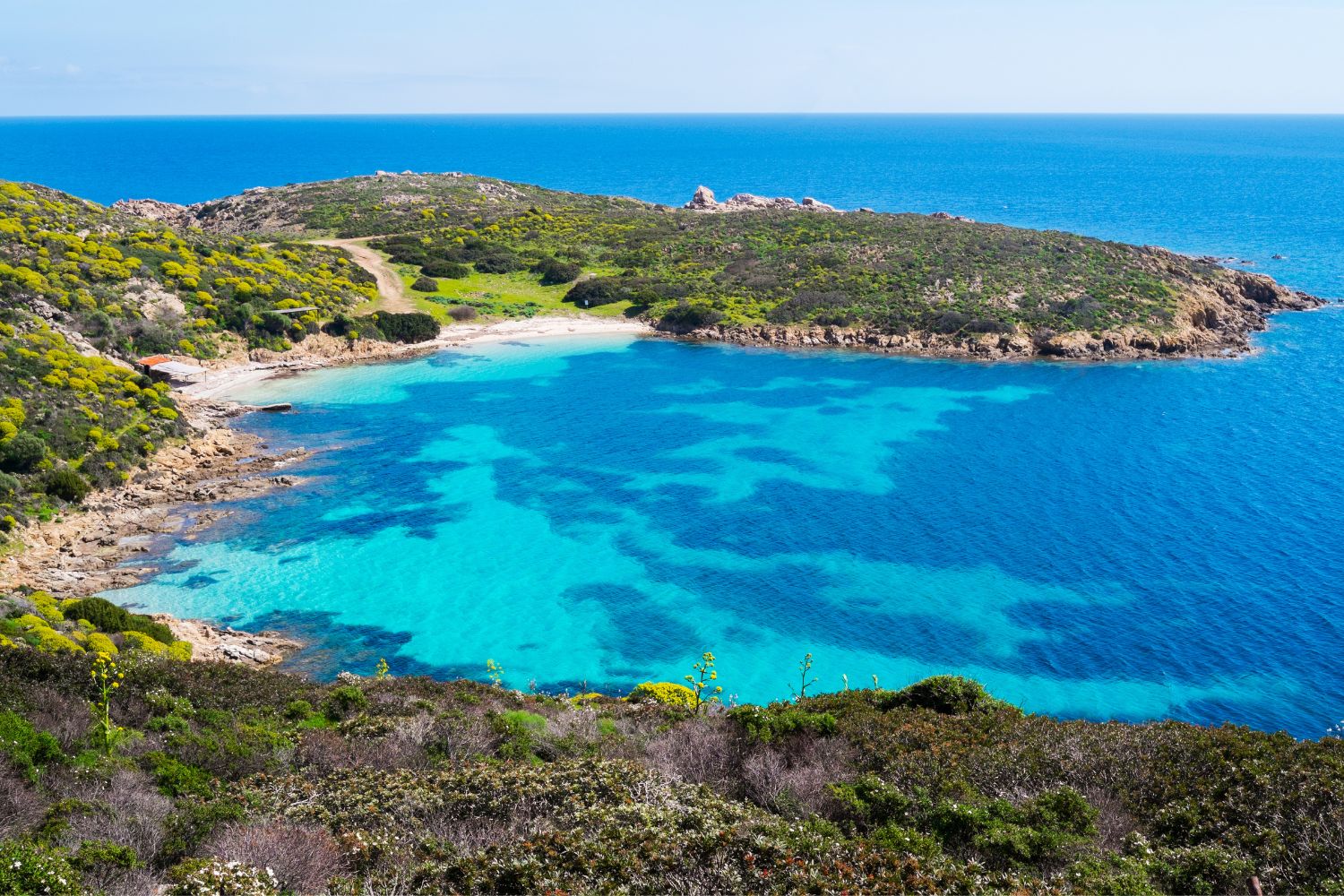
The Mediterranean Sea It is experiencing a drastic transformation, becoming increasingly similar to a tropical sea. According to the report Hot sea 2024 Of Greenpeace Italythemost affected area it’s just that Around Sardiniawhere marine temperatures have marked Thermal anomalies up to +5 ° C compared to the seasonal rule.
The most vulnerable areas include three protected marine areas: Capo Carbonara, Tavolara-Punta Coda Cavallo and the Asinara, true treasure chests of biodiversity that are now threatened by sudden changes and never recorded first with such intensity. Only in these seaside stretches There are already 14 sea heat waves in 2024the highest number in Italy.
Ecosystems under stress: tropicalization is already reality
The first to suffer are the marine bodies. Coral Cladocora caespitosa is showing signs of whiteningwhile the gorgoniesfundamental for the balance of the ecosystem, are affected by one growing mortality. High temperatures also favored the proliferation of alien and thermophilic specieswhich threaten the native species and alter the food chain.
Scientists speak of a real tropicalization of the Mediterraneana process that is upset not only the fauna and the underwater flora, but also the entire craft and industrial fishing system. The biological balances They are changing under our eyes.
Sea level grows more than expected
It is not just a temperature. The satellite surveys of the Nasa reveal that in 2024 theSea level raising has exceeded expectations: we have gone from a forecast of +0.43 cm to +0.59 cmespecially because of thethermal expansion of water.
This phenomenon risks putting many coastal communities in difficulty, already exposed to erosion and flooding phenomena. If the route is not reversed, according to the estimates of Marevivoby 2100 the Mediterranean temperatures could increase up to 4.5 ° C, with catastrophic consequences for marine habitats.
Environmental organizations launch yet another alarm cry. A decisive intervention is needed: reduce emissions, strengthen protection of marine areas e invest in climatic research. It’s time to act before it’s too late.
