
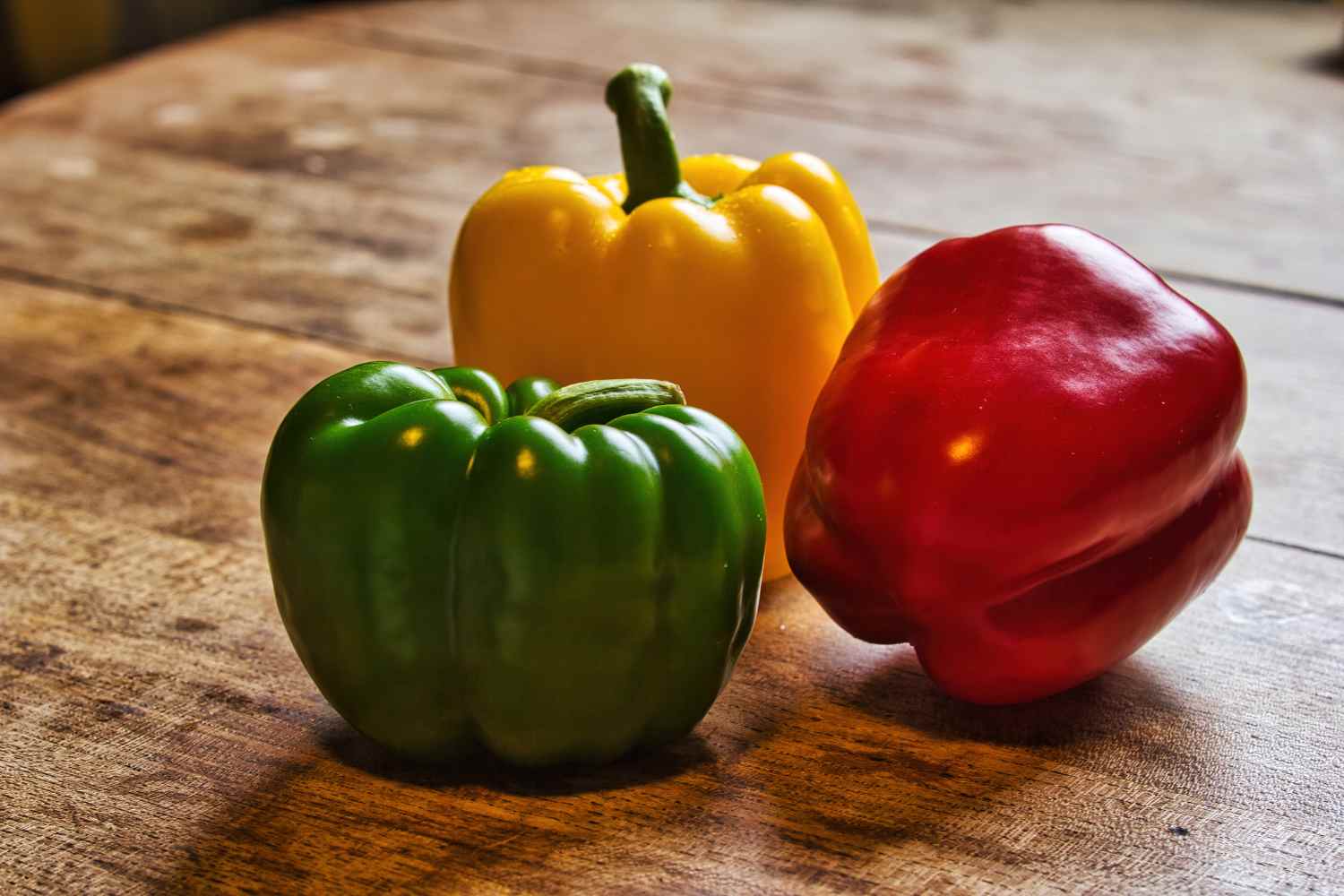
With their bright and bright colors, the peppers are among the undisputed protagonists of summer cuisine. Versatile and lively, they adapt perfectly to vegetarian and non -vegetarian dishes: raw cubes in salads, grilled, stuffed, or cooked in more elaborate preparations such as peppers and ratatouille. They are vegetables that often divide the public: there are those who love them for their decisive flavor and those who avoid them due to poor digestibility. But on one thing you can all agree: their nutritional properties are excellent.
A concentrate of health
Peppers boast record content of vitamin C: about 126 mg per 100 grams, much more than citrus fruits. They are also rich in provitamin A (beta -carotene), both essential antioxidants for the well -being of the body. These substances help to prevent cardiovascular diseases, tumors and early aging.
But it does not end here: they are also an important source of minerals such as potassium, magnesium, phosphorus and calcium. In addition, like many other vegetables, they are rich in water and fiber, which makes them perfect even for those who follow a low -calorie diet, with only 21 kcal per 100 grams.
How to choose peppers
The choice of peppers may seem trivial, but in reality there are many varieties, distinguishable by spicyness (sweets or spicy) and form (in horn, ribbed, crushed).
Among the desserts we find:
Another interesting classification is the one based on color, which often coincides with different nutritional characteristics and use in the kitchen.
Red, yellow or green? The differences count
Red
Crunchy, consistent and with a decisive flavor. It is great raw in pinzimonio, but it also holds the grill very well. It has a good satiating power.
Yellow
Sweet than red, it is fleshy and juicy. Perfect for pinzimonio or salads, it is also the richest in antioxidants. It combines very well with tomatoes, helping to make the sauces more full -bodied.
Green
It is collected before the complete maturation, which gives it an acidic and pungent flavor. Ideal for peppers or salads, it also includes varieties such as the famous Campania friarelli, excellent fried or sautéed in a pan. Despite the appearance similar to chili, they are very sweet and have purifying properties.
How to use them in the kitchen
Each variety has its ideal use:
For the ratatouille or peppers all varieties are fine, for baking or grilled cooking, choose large and fleshy peppers, if you want to fill them, better the rounded ones.
When you buy them, pay attention to:
In general, sweet varieties are the most widespread and favorite, also because they are more digestible. The spicy varieties, on the other hand, must be avoided by children, by those suffering from gastric hyperacidity or by those who have ulcers.
Raw or cooked? Both, but with criteria
Ideally, peppers should be consumed raw to preserve vitamin C to the maximum, which is very sensitive to heat. However, the bioavailability of beta -carotene increases with cooking, as happens with the lyrics of the tomatoes.
The ideal solution? Get them quickly in a pan over high heat or steam them for a short time. In this way the taste and nutritional benefits are maintained.
