
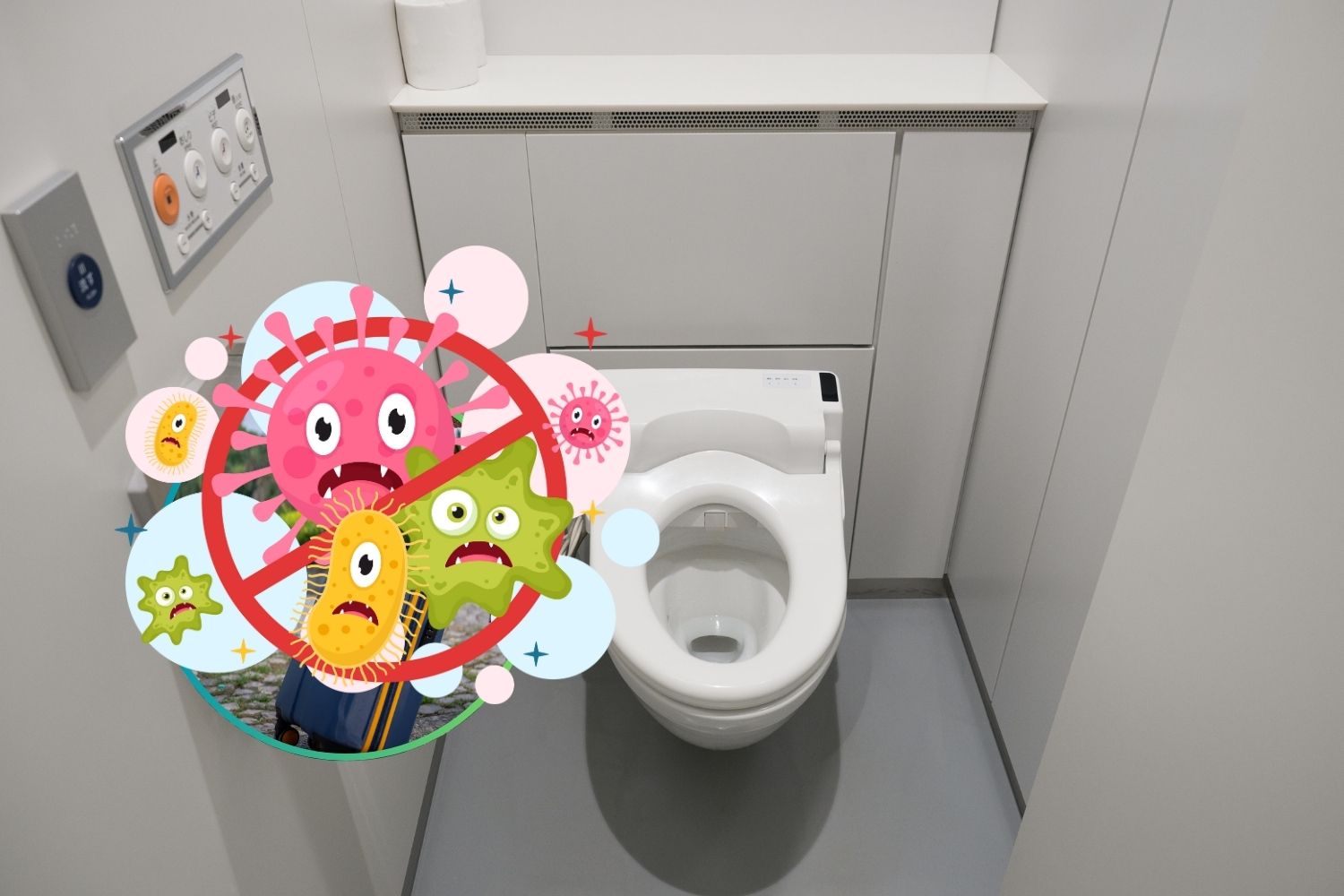
When we think of the dirtiest and most full of bacteria places, our mind immediately runs to public bathrooms. Yet, according to a recent study conducted by the Insure and GO insurance company in collaboration with the Amy-May Pointer microbiologist, there is something we use regularly and which appears to be 58 times dirtier than a public toilet: the wheels of our suitcases.
The search that reveals the truth about our luggage
The study analyzed samples taken from wheels and from the base of both rigid and soft suitcases at an airport railway station. The results were surprising: each suitcase examined housed different types of bacteria, including Staphylococcus Species (a common skin bacterium), Serratia Marcenscens (usually present in the bathrooms) and Aspergillus species (black and hairy molds).
“The microbial communities found on the suitcases included skin bacteria, environmental molds and some germs associated with the stool, among others,” explained Dr. Pointer. “Most of these organisms are not highly dangerous in daily situations, but form a general dirt film. This explains that sticky sensation or the smell of mold that the luggage can acquire after several trips.”
Why are the suitcases so dirty?
The reason is quite obvious if we think about it: our suitcases accompany us everywhere, rolling on surfaces of all kinds. Airport floors, stations, hotels, houses, taxis, buses. Each surface collects and deposits new microorganisms, creating a real mobile bacterial ecosystem.
“The key point is that the microbes were very different, reflecting all the places where the luggage had been,” underlines the expert.
How to protect our home from bacteria
The awareness of this problem should make us reflect on where we place our suitcases once you return home. It is important to never place the suitcases on beds, sofas or other clean surfaces and avoid keeping luggage in the bedroom without having cleaned them before. On the contrary, we should always clean the suitcases after each trip and keep them away from clean surfaces to sanitization.
How to effectively clean the suitcases
For optimal cleaning of rigid and soft suitcases, experts advise to use alcoholic wipes or mix soap soap with water and clean with a cloth. For the wheels, on the other hand, it is necessary to remove first hair and carpet fibers with scissors and then clean with a multipurpose detergent.
As extra solutions you can use washable covers or apply shower headphones on the wheels when you bring your luggage into the house.
“It might seem foolish, but covering those wheels can prevent them from spreading bacteria on carpets or bed linen. You could protect your sheets from the type of microbes that include irritating bacteria for the skin such as staphylococcal species”, suggests Dr. Pointer.
A wider problem
Suitcases are not the only common use of bacteria. According to the researcher Amani Abdlrasul, specialist in the medical laboratory of Tampa, Florida, even 100 dollar banknotes contain Staphylococcus bacteria, smartphones can host a variety of bacteria and public toilet seats can contain E. Coli.
This research should not be discouraged from traveling, but rather make us more aware of our hygienic habits. A simple cleaning routine after each trip can make the difference for the health of our home and our family.
Let us remember that our luggage are real “collectors” of everything they meet during our movements. Treating them with due hygienic attention is a small gesture that can significantly contribute to our domestic well -being.
We also recommend you:
