
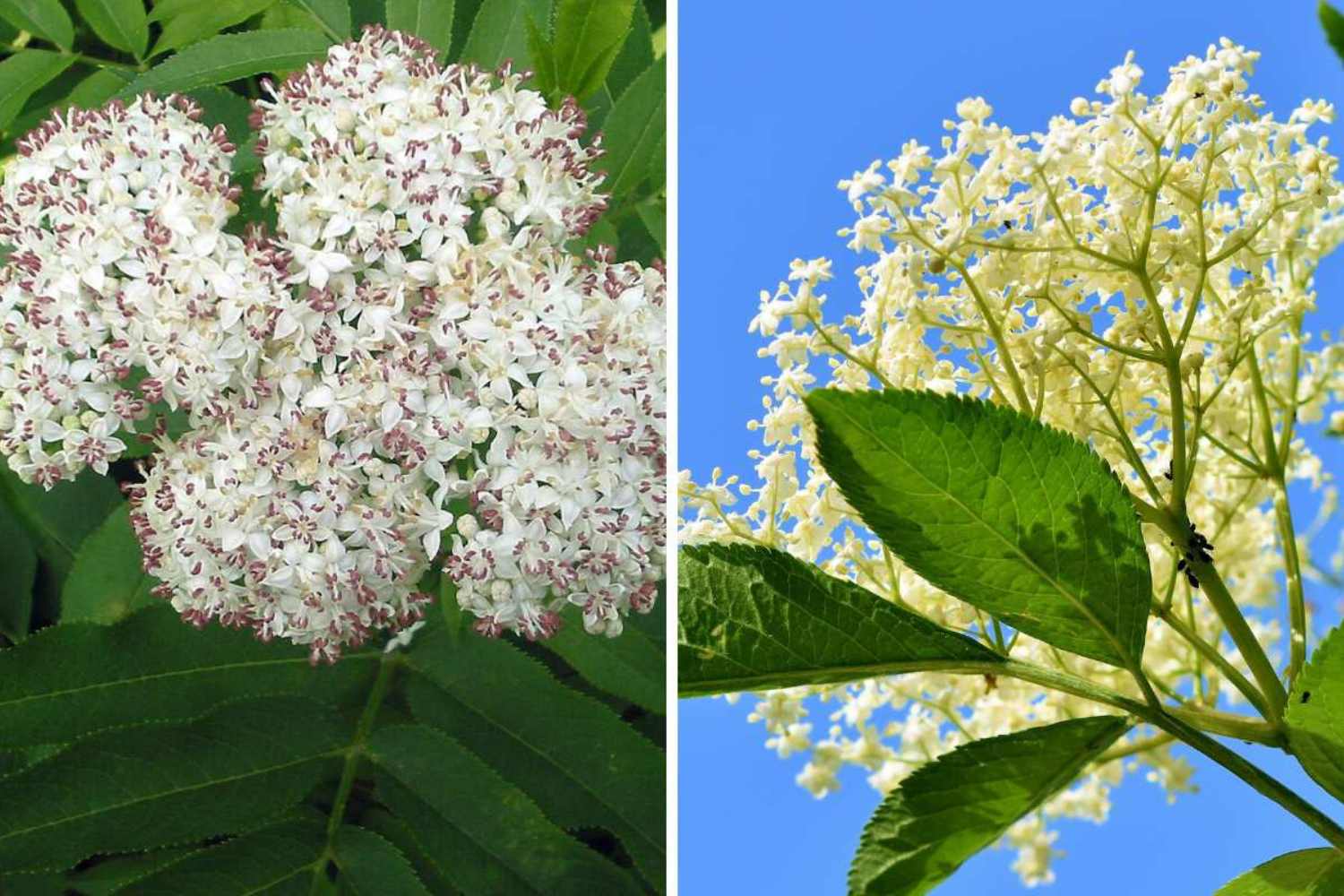
A walk in the countryside can turn into a dangerous experience if the plants that surround us are not known. This is what happened to me years ago, when I risked confusing the elderberry with his poisonous impersonator, and since then I have learned to distinguish them carefully.
The elderberry: the fragrant friend
The common elderberry, the good one, – Sambucus Nigra – It is a generous shrub that can exceed four meters in height and reach 7/8 meters. Recognize it immediately by creamy white flowers that form fragrant umbrellas and gently hang down. As if they bowed to greet you. In summer, these flowers give way to bunches of black-violacean berries that also hang heavy and juicy.
Sambuchello: the false friend
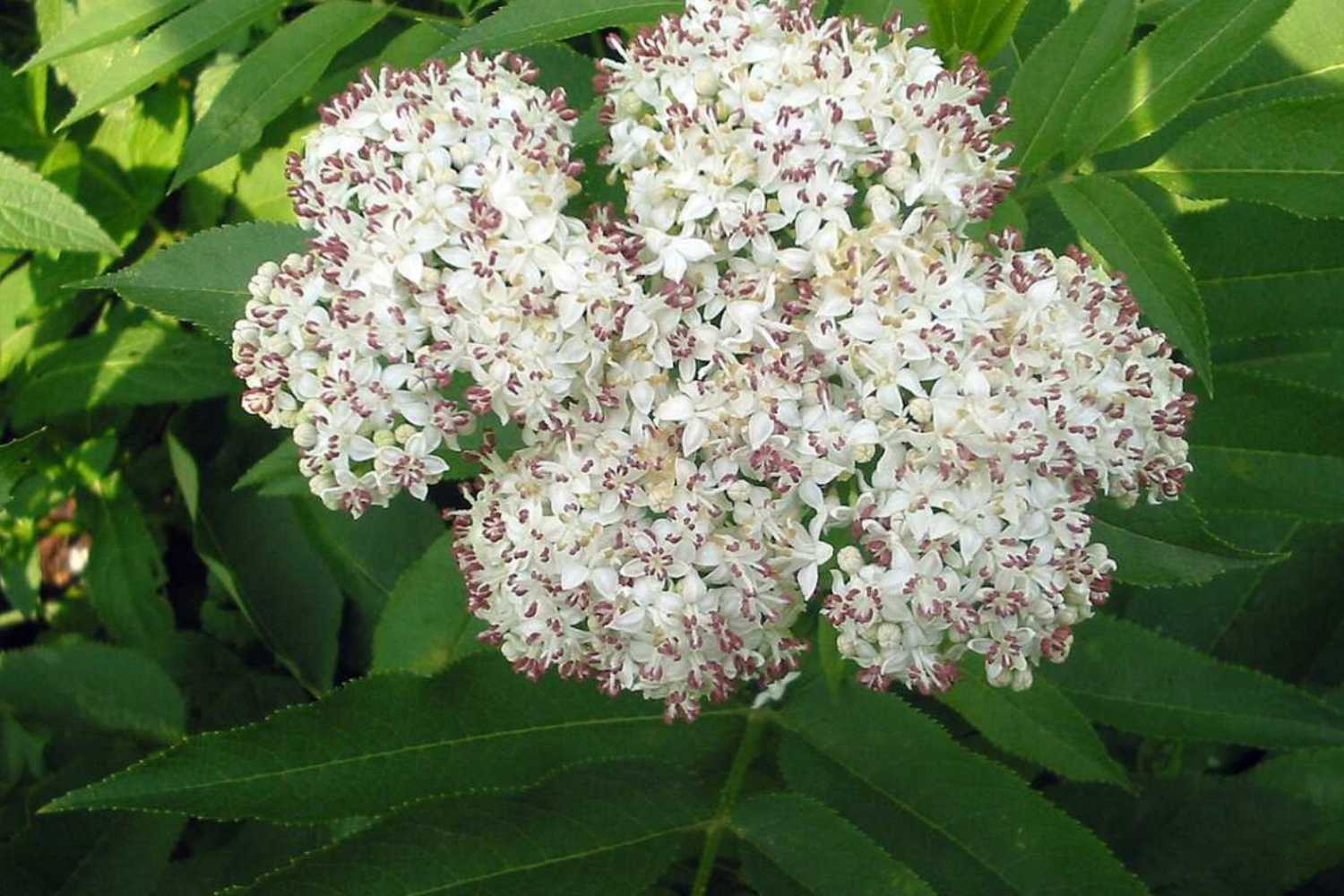
The Sambuchello instead – Sambucus ebuluscalled Ebbio – is completely another story. It does not exceed the meter and a half, it remains herbaceous with the green stem. Its white flowers have violet shades and are straight, turned upwards with an air of challenge. The fruits also maintain this erect posture. It almost seems that he wants to warn you: “look at me well, I’m not what you think!”
The question of toxicity
The fundamental difference lies in the toxicity. The elderberry hides the poison in the green parts: leaves, branches and roots contain the sambunigrinea substance that can cause stomach ache and nausea. The beauty is that both flowers and fruits, once cooked, become precious ingredients for syrups and jams with an excellent flavor.
The sambuchello Instead it plays dirty: Each part of his is toxic, including fruits. Cooking also does not eliminate the poisonous principle it contains. Scientists have not yet identified this substance with precision, but its effects are clear: gastrointestinal disorders that can ruin the day to anyone.
Grandmother’s advice
My grandmother prepared a elderberry flower syrup that was a medicine for everything. “But first look at you well,” he always told me. “Flowers must hang like chandeliers, never be straight as soldiers.” He was right and this simple rule saved me several times from the error.
How to collect safely
Collection requires attention. Sambuco flowers are caught late spring, when the sweet scent fills the air. They must be detached gently, they shake the insects away and they can immediately macerate. The berries instead mature at the end of the summer and must be collected when they are completely black, never before.
A trick to not make mistakes? Observe the height of the plant. If you have to look up to see the flowers, it is probably elderberry. If, on the other hand, you are up to the eyes with the plant, it is better to give up: the sambuchello is a low plant, as if it wanted to hide in the high grass.
I use them in the kitchen
The uses of elderberry are really infinite and the recipes are not lacking. The flower syrup is perfect diluted in fresh summer water or in hot winter tea, while the berries jam has an intense flavor that goes very large with seasoned cheeses. There are those who also prepare the pancakes with the flowers in the batter, a spring delight.
Sambuchello instead has no culinary uses. Indeed, in some rural areas it is called “grass of spite” precisely because of its deceptive nature, because it often grows close to the elderberry, as if it wanted to confuse the less experienced collectors.
An invitation to prudence
Nature enjoys offering treasures and trains, learning to distinguish them is part of the game. If you have doubts, better to give up the collection. Contact a botanist expert, or to a herbalist, figures who can help you recognize plants confidently.
In the meantime, for the Sambuco/Sambuchello question recalls: pendant umbrellas yes, erect bunches no, high shrub yes, low plant no.
The next time you decide to give yourself a walk in the countryside and see those fragrant white flowers, stop for a moment. Observe them carefully, why Nature speaks to those who know how to listenand in the case of the elderberry and the Sambuchello, the difference between a delicious jam and a memorable belly pain will reside in these small details.
