
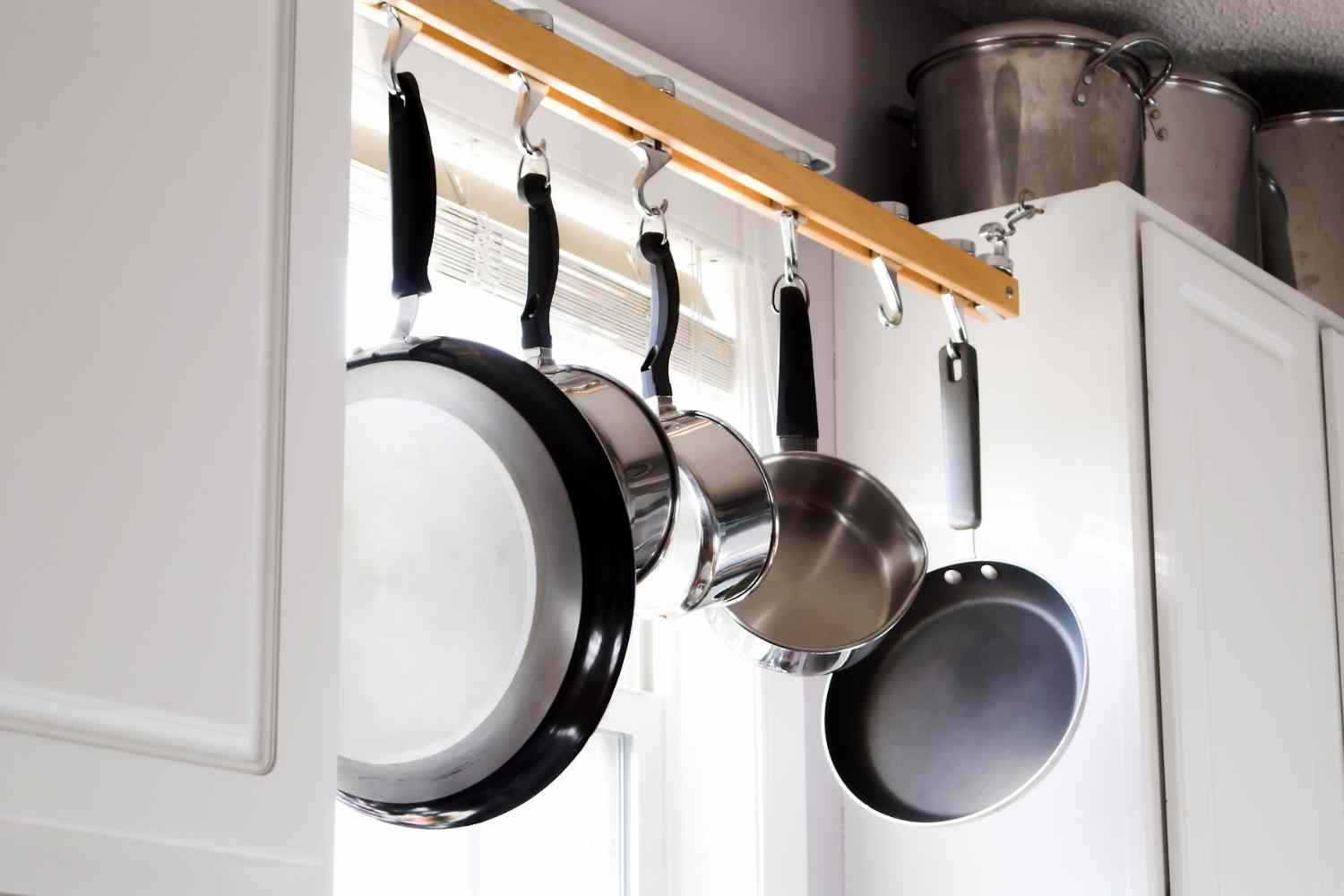
The choice of non -toxic kitchen appliances has become increasingly important for the health of the family and the environment. Many devices contain potentially dangerous chemicals that can migrate to food, especially when exposed to heat.
The safest materials for household appliances and kitchen pots
Stainless steel
Stainless steel is considered one of the safer materials for kitchen appliances and for pots and pans. This material is naturally devoid of the potentially harmful chemicals present in plastics or non -stick coatings in Teflon and is safe for contact with all types of hot and cold foods.
It is important to choose appliances with stainless steel of food quality 18/10 for the highest quality and safety standards. The lower quality steels could release small quantities of nickel or chrome in food, especially when they cook acidic dishes at high temperatures.
Lagostina Accademia Lagofusion Padella Stainless steel 18/10 Ø 24 cm, induction pot, gas and oven up to 250 ° C, external shiny and satin finish, riveted handles, 5 -layer backgrounds
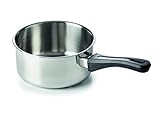
Beka 12036204 – Multiuse pot with stainless steel lid, 20 cm
€ 32.00

Buy on Amazon
Offer
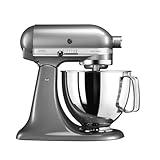
Planetary Kitchenaid – Artisan – Food robots with inclinable head and 3 accessories – 4.8 l – plated silver color
Borosilicate glass
Like stainless steel, the glass is inert and without the potentially harmful chemicals present in plastics or non -stick coatings. The glass is not porous, which means that it does not absorb bacteria or retains smells, making it a more lasting and hygienic option for the kitchen.
Borosilicate glass stands out as one of the best choices for cooking appliances. FDA recommends it for resistance to thermal changes and chemical duration. It can bear quick changes in temperature and acid ingredients, such as coffee.
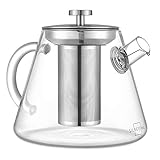
Silberthal teapot with 1.5 -liter infusor – Borosilicate glass and stainless steel – Tisy foam – with filter
42.95 €
Buy on Amazon
Tritan plastic without BPA
Tritan plastic is a safer alternative to economic plastics. The manufacturer, Eastman, leads extensive third -party tests to demonstrate that Tritan is made without BPA, PFAS or carcinogenic substances. Tritan has been certified by various food safety agencies, including FDA, Efsa and Health Canada.
Tritan is also known for its resistance and it is very unlikely that it is scheggi or shatters. It can bear temperatures up to 100 ° C, making it suitable for a range of hot and cold drinks, even if it is necessary to avoid boiling water.
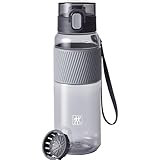
Zwilling BPA without BPA for fitness and free time in Tritan, gray, 680 ml
€ 19.95
Buy on Amazon
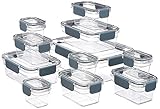
Amazon Basics Tritan plastic food containers, Tritan plastic closure, hermetic, 22 pieces, transparent
€ 26.98
Buy on Amazon
Safe materials but which require caution
Ceramic coatings
The appliances with ceramic coating are considered safer choices than the traditional Teflon, but still require attention. The ceramic coatings offer a non -stick surface without traditional chemicals and add a layer of protection between food and metal.
However, ceramic coatings do not like high heat or metal utensils, so it is important to be delicate and use medium heat with silicone or wood tools. The same goes for washing: using soft sponges and delicate detergents to protect the coating.
Offer
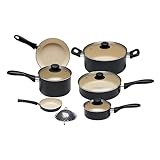
Amazon Basics battery of navigating pots and pans in 11 -piece ceramic, without Pfoa and PTFE, color: black and cream
59.31 €
Buy on Amazon
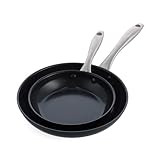
Greenpan Lima Midnight Set of anodized hard and non -anti -watering ceramic pans of 20 and 26 cm, without PFAS, dishwasher washable, suitable for induction and oven, black
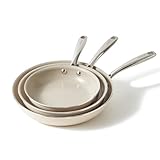
Redchef Set Navigant Ceramic Pan, 3 pans 20/24/28 cm with aluminum non -stick, induction pots for all hobs, without ptfe, pfas, pfoa, suitable for oven, beige
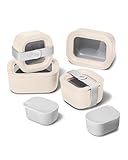
Caraway mini set of 11 food containers, in conscious glass ceramic glass, air release technology, compact and stackable design, cream color
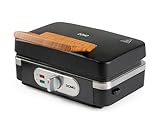
DOMO DO9278C – 3 in 1 multifunction device, Waffle plate, contact grid, 1100 W, opaque design in black, with wooden handle
62.89 €
Buy on Amazon
Aluminum
The amount of aluminum that pots can contribute to food is usually minimal, usually much lower than that already present in all the foods we eat. But be careful, cooking acid ingredients in naked aluminum pots can accelerate the release, increasing the amount of aluminum that ends on the plate. Even salt -rich foods can have a similar effect.
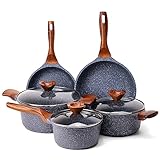
Moustache – Pentle and pans battery 【8 PIECES】 A aluminum induction with non -stick, set of 3 saucepan Ø 18/20/24 cm, 3 lids and 2 pan Ø 20/24 cm, handles in bakelite (Amalfi)
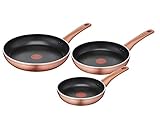
Ramata lagostina Set of aluminum non -stick pans Ø 20/24/28 cm, exterior copper effect, 3 pieces, gas pot battery and oven with cooking indicator and ergonomic handles in bakelite
€ 54,90
Buy on Amazon
Carbon steel, copper and cast iron
These materials are safe when used correctly, but you must avoid using them together with very acidic or salty dishes. The main health risk is to cook acid or very salty foods in carbon steel pots, which can lead to corrosion and increase the iron content of the food.
Offer
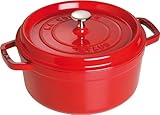
Staub the cocotte saucepan, cast iron, cherry red, 24 cm
197.05 €
Buy on Amazon
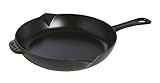
Staub 40510-617-0 pans cast iron pan with handle, 26 cm
140.72 €
Buy on Amazon
Materials to avoid
Pfas and Teflon coatings (PFTE)
Pfas, including Teflon (PFTE), are chemicals widely used in appliances that benefit from non -stick coatings, such as plates for Waffle, toaster, air fryers and non -stick pans.
According to the FDA, these chemicals are “combined together in large molecules and are closely linked to the pots, therefore very little is able to enter food”. However, exposure to PFAS has been connected to serious health problems, such as an increase in cholesterol, hypertension, development effects, reduced immune response and increased risk of cancer.
The International Cancer Research Agency has classified the PFOA (a common PFAS chemical) as “carcinogen for humans”, and a 2023 study of the public health department of the Mount Sinai has discovered that high levels of pfas in the blood could reduce fertility of up to 40%.
Economic BPA plastics
Plastics used in household appliances can contain potentially dangerous chemicals, including the BPA. These plastics are often chosen because they are cheap, resistant to spots and waterproof. However, the BPA is associated with health problems, including endocrine diverse and compromised fertility.
Economic plastics not only release chemicals, but do not even resist thermal stress over time. It is important to be cautious with any appliance that contains an abundance of plastic materials that are in direct contact with warm foods or liquids.
Lead and cadmium
The FDA has classified these two heavy metals as risks to human health and has imposed severe regulations that prohibit cadmium for use as a coloring additive or food additive. The main concern concerns imported cooking appliances, which may not be under so severe regulations.
Advice for choice
When choosing non -toxic kitchen appliances, it is important:
The transition to a safer cuisine must not be immediate: it is possible to gradually replace existing appliances with non -toxic alternatives, giving priority to those used more frequently or that come into direct contact with food.
