
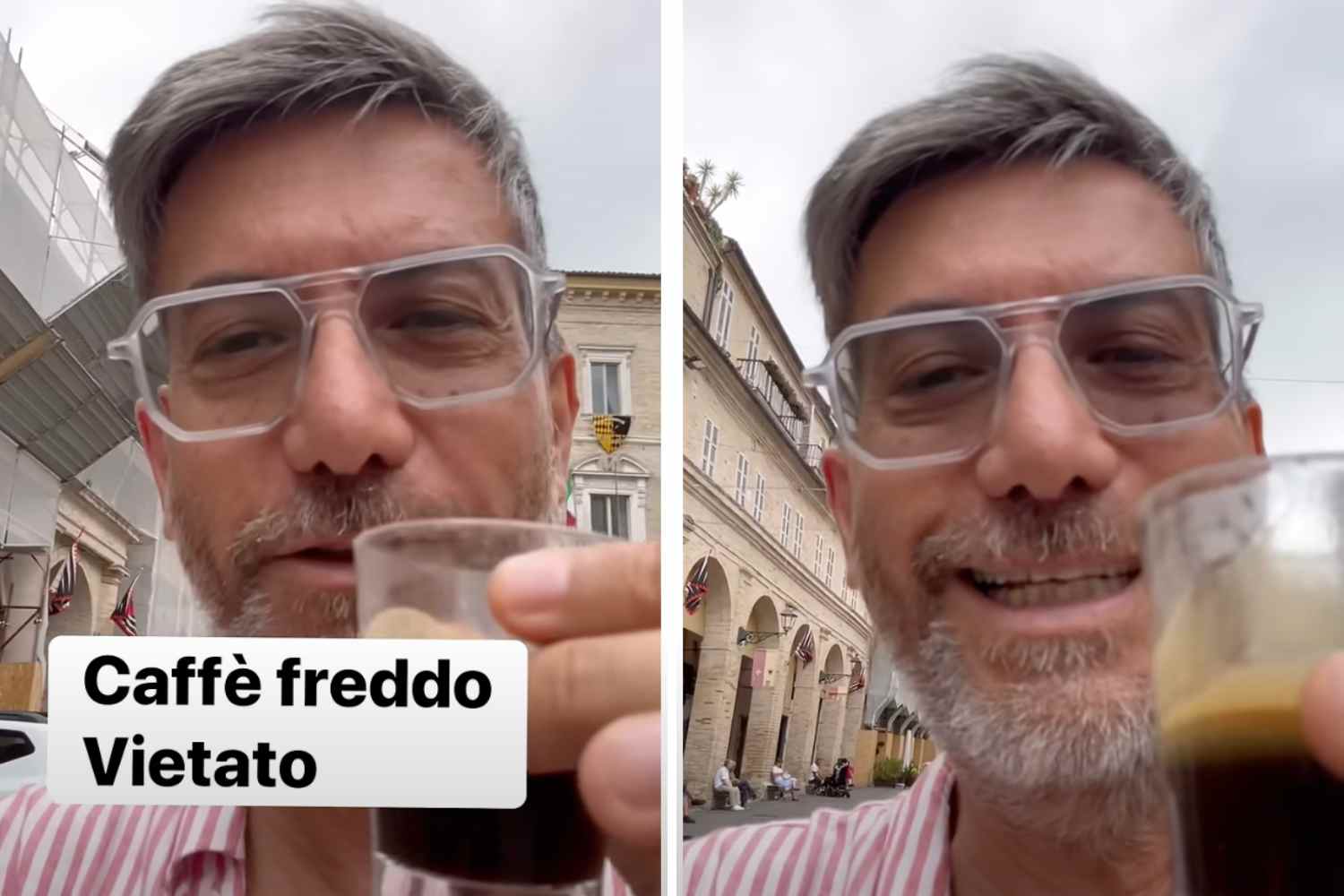
If you find yourself in the Marche and ask for a cold coffee at the bar, you will most likely hear you answer that “it is forbidden to produce it”. But is it really the case? To clarify this question is the agronomist Daniele Paci, who has decided to dispel this false myth.
The mystery of the disappeared cold coffee
In the Marche, as in many other regions of Italy, cold coffee seems to have become a mirage. The bartenders, when asked, often entrenquence behind an alleged regulatory ban that would prevent them from preparing this drink so loved during the warm months in advance. Of course, they can prepare it at the moment, perhaps shaken with ice, but that classic bottle of sugary cold coffee always ready in the refrigerator is now a memory of the past.
The regulatory truth
Contrary to what many believe, there is no specific ban that prevents the bars from preparing cold coffee in advance. Rather, it is a question of correct application of the hygienic-sanitary rules provided by the HACCP (Hazard Analysis and Critical Control Points) system, mandatory for all catering activities.
The problem is therefore not regulatory, but organizational and knowledge of the correct procedures to follow.
Golden rules for a safe cold coffee
To prepare cold coffee in advance in compliance with the sanitary standards, the bars must follow some simple but fundamental rules that should be integrated on their HACCP self -control plan.
First of all, the bottle used must be carefully disinfected before use. This step is crucial to avoid bacterial contamination that could compromise product safety.
The coffee, once prepared and sweetened, must be brought quickly to a temperature of 4 ° C. The cooling speed is important to limit the proliferation of potentially harmful microorganisms.
Each bottle must be clearly labeled with the production date. This allows you to monitor the conservation time and ensure that the product is consumed within safety times.
The cold coffee prepared in advance must be consumed within 48 hours of production. After this period, the product can no longer be administered to customers for food safety reasons.
Why these precautions?
The particular attention required for cold coffee derive from its composition. It is in fact a product enriched with sugar, added hot to facilitate its dissolution, given that in the cold state the sugar dissolves with greater difficulty. This presence of sugars, combined with humidity and a not sufficiently low temperature, can create an environment in favor of bacterial growth.
A false myth to dispel
The belief that cold coffee is “forbidden” therefore represents a large hoax that has deprived consumers of a drink particularly appreciated during the summer season. The reality is that many operators, not knowing the correct procedures or fearing complications, preferred to completely give up this service rather than implementing the right security measures.
Towards a return of cold coffee?
The lack of cold coffee in the bars represents a loss for the catering sector and for consumers who, especially during the hottest months, would appreciate to be able to find this drink ready and perfectly refrigerated.
With the right information and the implementation of the appropriate HACCP procedures, there would be no obstacle to the return of cold coffee on the counters of Italian bars. It would be simply to adequately train the staff and to integrate these simple but essential rules in existing food safety protocols.
Don’t you want to lose our news?
