
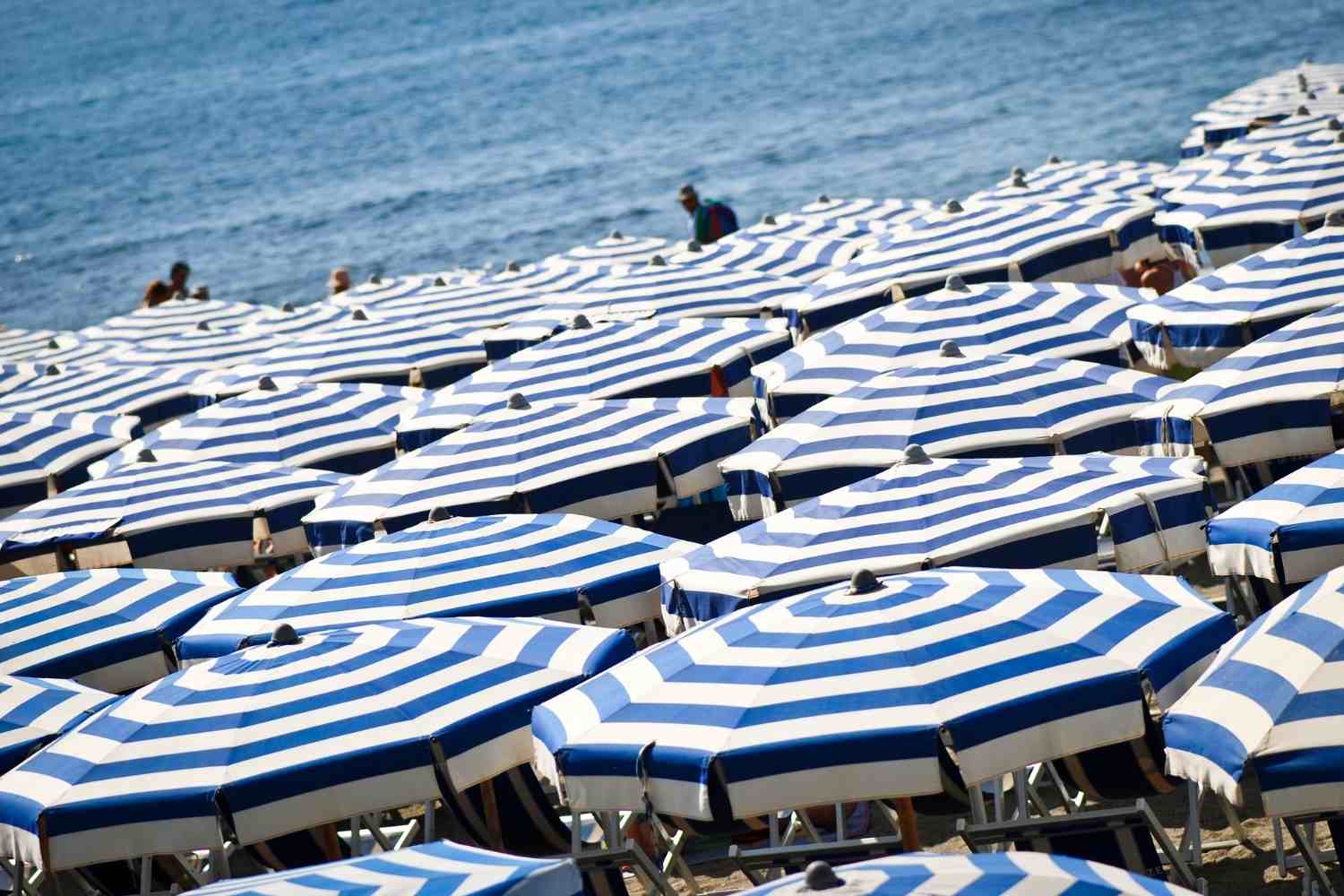
Filed under August, summer enters its most intense phase. The chronicles of these weeks have spoken above all of dear-umbrella and controversy over costs: according to Altroconsumo the prices grew by 5% compared to 2024, with an average of 212 euros per week for an umbrella and two sunbeds, but much higher tips-up to 1,500 euros per day in Versilia. Not surprisingly, many plants have recorded drops in presences on weekdays, with families forced to limit the weekends or even to give up the holiday: Eurostat reports that 1 in 3 Italians cannot afford even a week away from home.
Yet, just take a tour on the weekends to see that some well-known shores remain full: close umbrellas on each other, children who play close, files to the bar and that feeling of crowd that seems to contradict the protests on the dear-slim. Why, despite prices and inconvenience, do we continue to choose the same crowded beaches?
A first answer comes from social psychology, with the mechanism of “social proof”: if a place is crowded, our mind automatically interprets it as the best. It is a shortcut that saves us energy: “If everyone goes there, there will be a reason”. The crowd thus becomes a guarantee seal.
But the explanations can be others. Let’s think for a moment of comfort and practicality. The most popular plants are often the best equipped ones: bars, showers, nearby parking lots, the presence of lifeguards. For a family with children, or for those who do not want to give up certain comfort, the isolated beach loses charm. The theme of security also plays a role: in a crowded place we feel more protected, less vulnerable, and this is enough to make the chaos more reassuring than a silent cove.
Then there is the social dimension, which becomes central on the beach. The crowded beaches are real summer agories: we meet, we taby new relationships and raise trends and content for Instagram or Tiktok. The beach is not only a place to be kissed by the sun, but a collective stage. To all this is added the strength of habit: to return every year to the same factory, perhaps the one frequented by the parents, becomes a ritual difficult to break, even if the cost has risen to the stars.
The paradox is that, while the most famous places are filled, many other coastal areas remain half -empty. It is the least told of the loveourism: on the one hand, factories with stars prices and exhausted places, on the other free beaches and peripheral beaches that struggle to survive. An imbalance that makes the sea less and less accessible for families with medium or low incomes.
And this is where the other side of the medal comes into play. Because if it is true that we consumers are given to the call of the most crowded beaches, it is equally true that the prohibitive prices do not fall from the sky. The plants decide them, often on state -owned concessions paid very little to the state and very dear resellers to customers. A paradox that the Guardian called “the business of the Italian summer”: beaches that should be a common good transformed into an open -air boutiques.
Perhaps it is not just a matter of taste: the seaside system, with increasingly high prices and concessions that limit free beaches, ends up pushing us all towards the crowded beaches themselves. And so the real crowding is no longer only the one under the umbrella but also that of the controversies that, every summer, repeat identical. High prices, complaints, and the feeling that the sea, a public good par excellence, is less and less within everyone’s reach.
Don’t you want to lose our news?
