
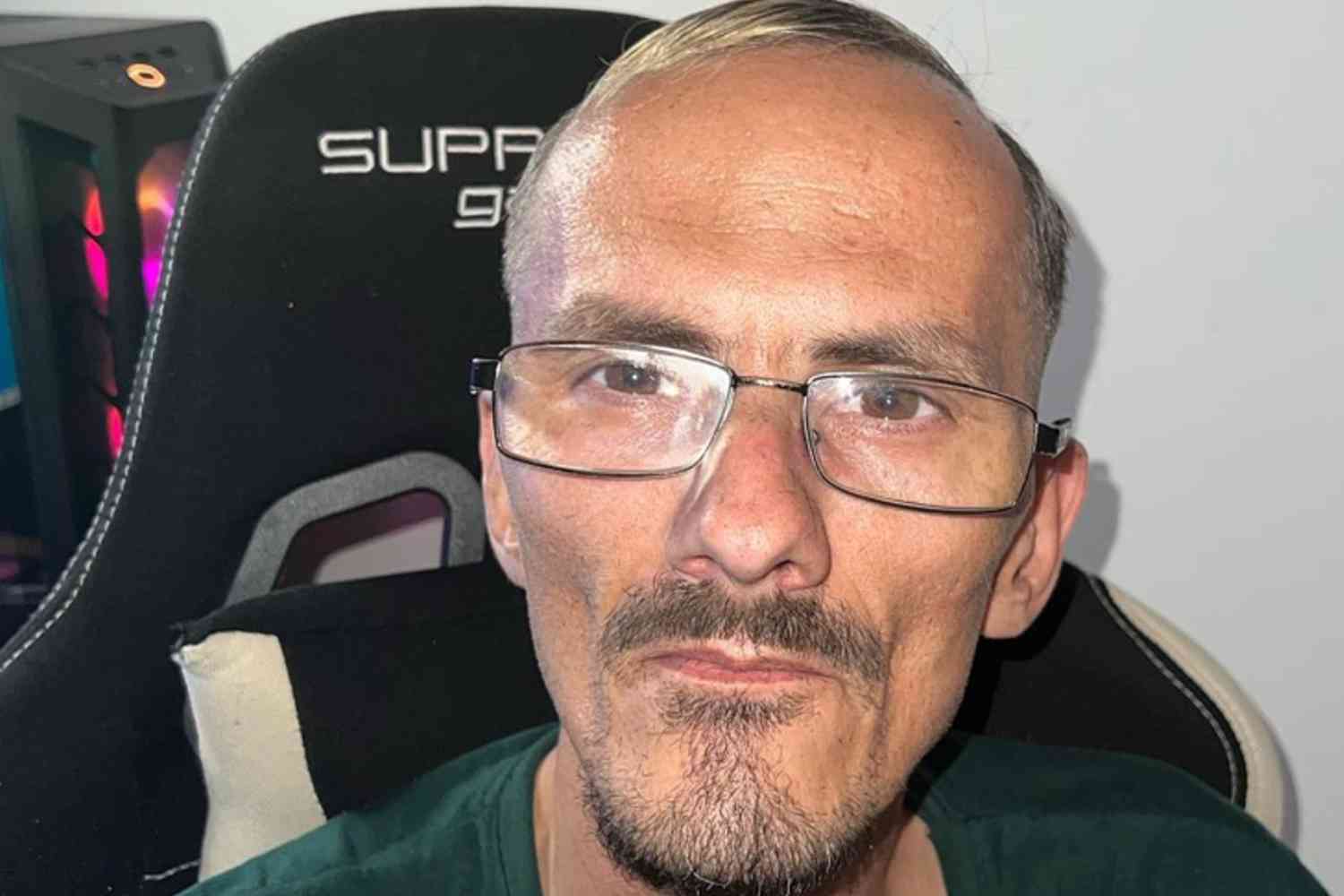
His name was Raphaël Graven, he was 46 years old and a military past. But for his million followers it was only Jean Pormanove, the man who was humiliated and beaten live streaming. His story, which seems to have come out of a dystopian TV series, ended in the most tragic way: with his death, which took place last Monday, after 298 consecutive hours of live transmission, more than twelve days in front of a camera that filmed everything. A terrible end, which took place under the eyes of thousands of spectators, whose circumstances are now under consideration by the Nice Prosecutor’s Office.
The question that everyone poses is how it was possible. Raphaël, described as a man with a gracile physique, was not only in his videos. Next to him there were often Owen Cenazandotti (26 years old) and Safine Hamadi (23 years old), the two young streamers who, as the French newspaper Le Monde tells, mistreated him regularly. Slaps, spit, close to the throat: the violence were normal, a macabre show offered to the audience of the Kick platform, an Australian social network similar to Twitch but with much more bland checks. Together with Raphaël, another man with disabilities often underwent abuse, known only as “Coudoux”.
Why?
Why accept all this? The answer seems to be money. Behind the screen, in fact, a consolidated business moved. This type of “entertainment”, based on the degradation of vulnerable people, generates gains through the donations and subscriptions of users. Travelers who, often, are the first to encourage increasingly fierce abuses in order to see something more extreme. At the end of the live broadcast in which Raphaël lost his life, the earning counter marked 36 thousand euros. In some videos circulated after his death, it was Graven himself who complained about violence, but saying that he had to undergo to be able to earn. A spiral of despair that trapped him, transforming him into a consenting victim only apparently.
The Nice Prosecutor’s Office will now have to establish whether Raphaël was free to choose or if he were somehow forced to undergo those humiliations. A doubt fueled by another video in which Cenazandotti and Hamadi ordered him to say, looking in the room, that if he died he would have been “for his shitty health”, and not because of them. A sort of perverse and anticipated self-absolution.
Last December the French police had started an investigation precisely on these videos of abuses on fragile people. In January, Cenazandotti and Hamadi had been arrested and then released. When asked, together with Graven himself, they had all denied having committed crimes. The investigations were still in progress when Raphaël died.
Its end wonders about the role we have as spectators in this great digital circus, where human suffering can become a show to be monetized. Raphaël Graven’s death is not only the chronicle of an extreme fact, but the mirror of a society that risks losing the border between entertainment and cruelty, transforming fragility into a product to be consumed with clicks. A tragedy that forces us to ask ourselves where we are looking at and, above all, what we are applauding.
Don’t you want to lose our news?
