
40 new species overlook the horizon! And some surprised the scientists in a particular way, as the first high-tech exploration of the Argentine canyon of Plata Marconducted by Schmidt Ocean Institute.
Less than a month ago a particular Marine Star of the Argentine Sea had been notified, renamed “Estrella Culona”, which became viral for its shape after appearing in a direct streaming of a conicet expedition.
But apparently the soprese are not over, because our biodiversity is still rich in new species, some very particular particular ones. The remote controlled vehicle Subastian of Schmidt Ocean Institute illuminated the canyon of Plata Mar off the Argentine waters, almost double the Grand Canyoncapturing images and videos of 40 alleged new species, expanses of coral and a marine star who remembered a famous cartoon character.
In particular, the structure, which is located about 300 kilometers off the province of Buenos Aireshe is one of the largest and most deep submarine canyons in Argentina: it is estimated that it is deeper than 3500 meters, twice the depth of the Grand Canyon.
The sea depths and their extraordinary life-from bright corals to the fascinating octopus-fascinated an entire nation, thanks to a team of passionate scientists and the millions of people who followed their work in live streaming-says Wendy Schmidt, co-founder and president of the Schmidt Ocean Institute-is showing the world the power of the exploration of the marine depths not only for arouse wonder, but also to remind us how much of our planet it still remains to be discovered and protected
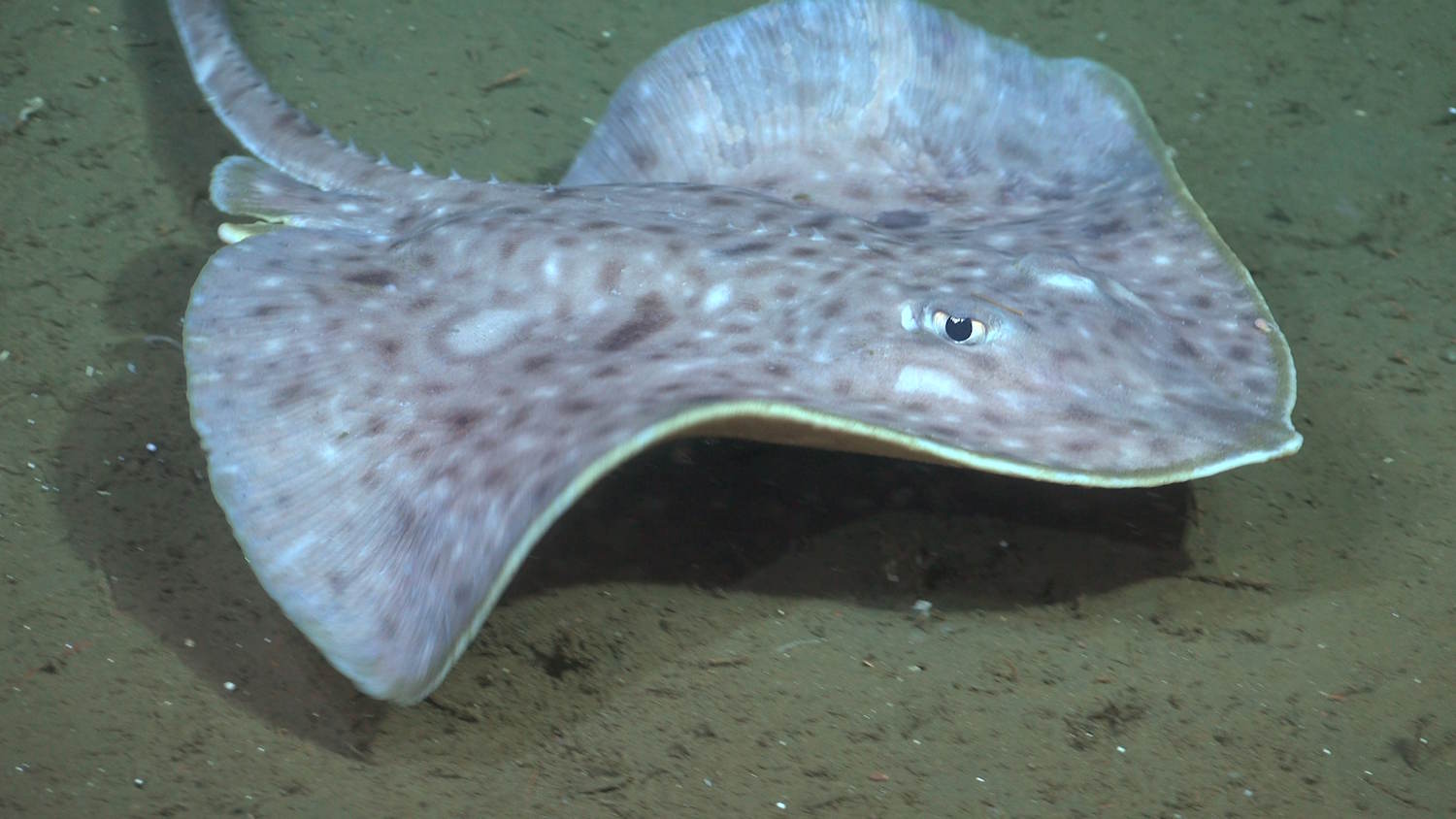
The shipment, which lasted 21 days with dives transmitted live streamingwas the first in which scientists observed the Canyon of Mar del Plata Using a remote control vehicle (ROV) equipped with sophisticated sampling tools and cameras.
The team has studied the area for over a decade using samples recovered in 2012 and 2013, but this is the first time that they observe its live seabed, and has documented a rich biodiversity, including coral reefs of depths rich in sea anemones, sea cucumbers, sea urchins, snails and other organisms. Among the most surprising images and videos taken from the expedition there is also a octopus mother in hatching that repairs her eggs behind two different types of corals.
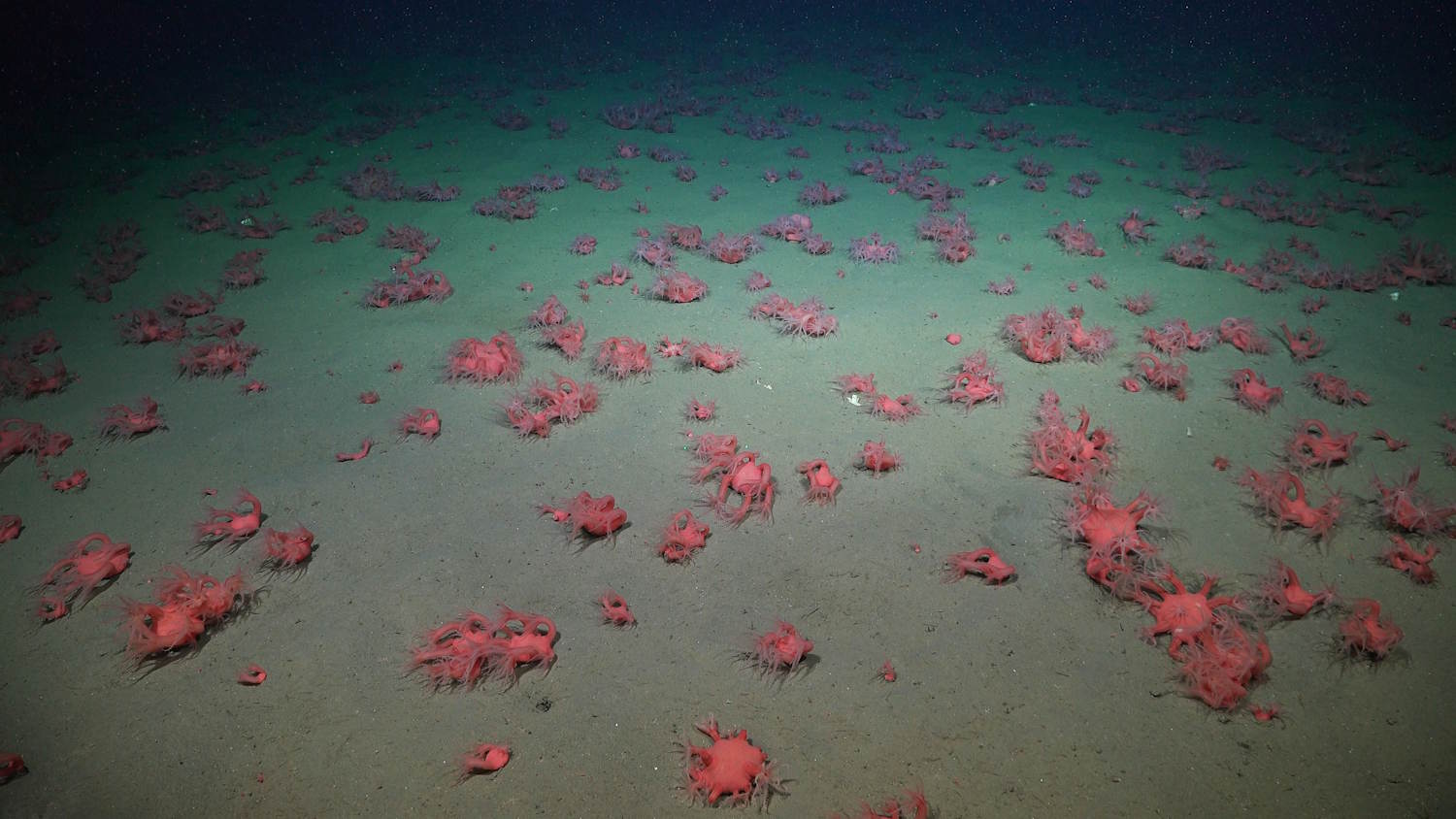
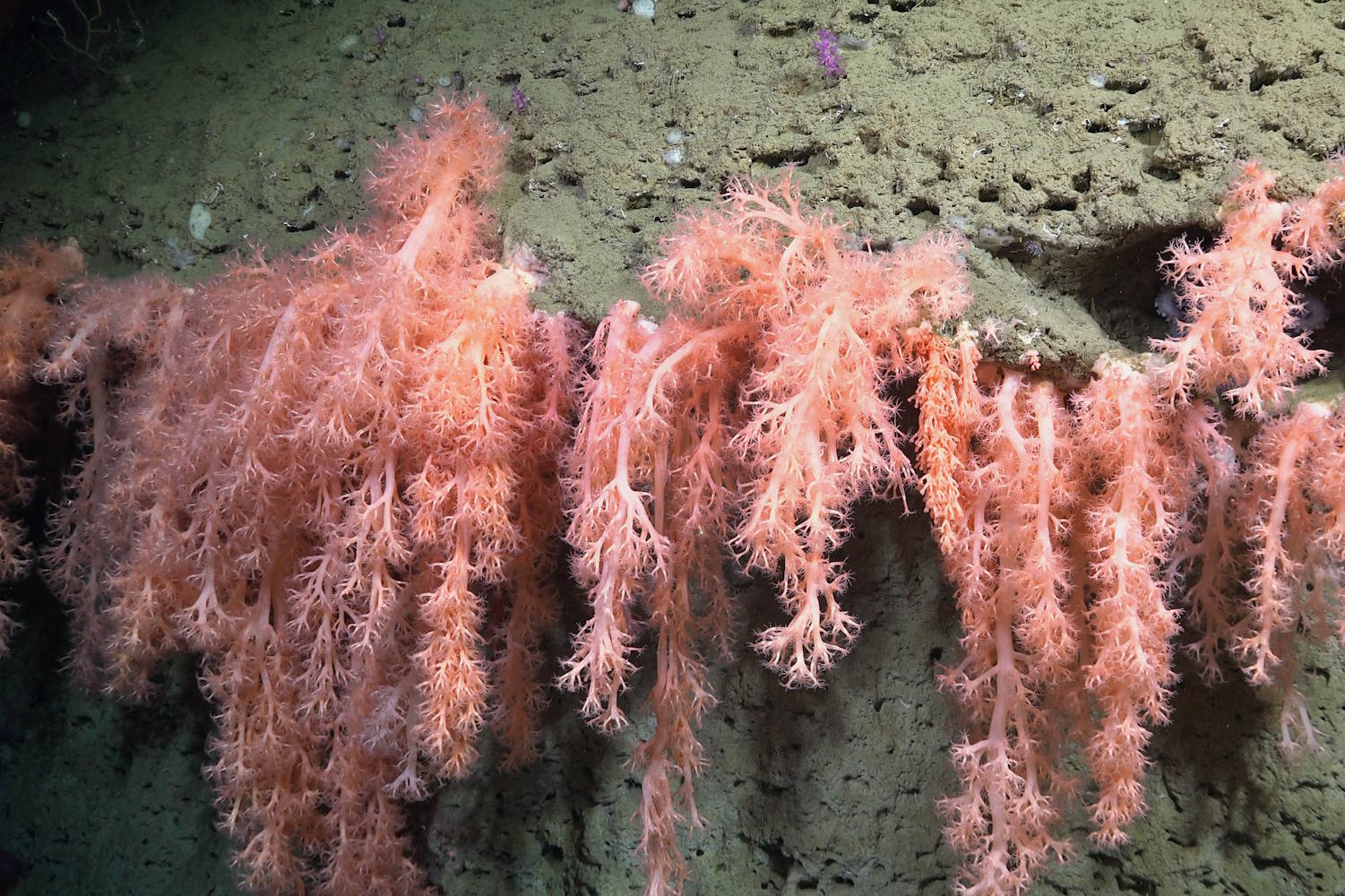
But not only that: the expedition revealed the presence of a coral reef composed of Bathelia Candidaa kind of stony coral capable of creating a habitat that it was not thought to be present in this area in such quantities. In addition, a vast field of Anthomastus sp. reda soft coral of deep water.
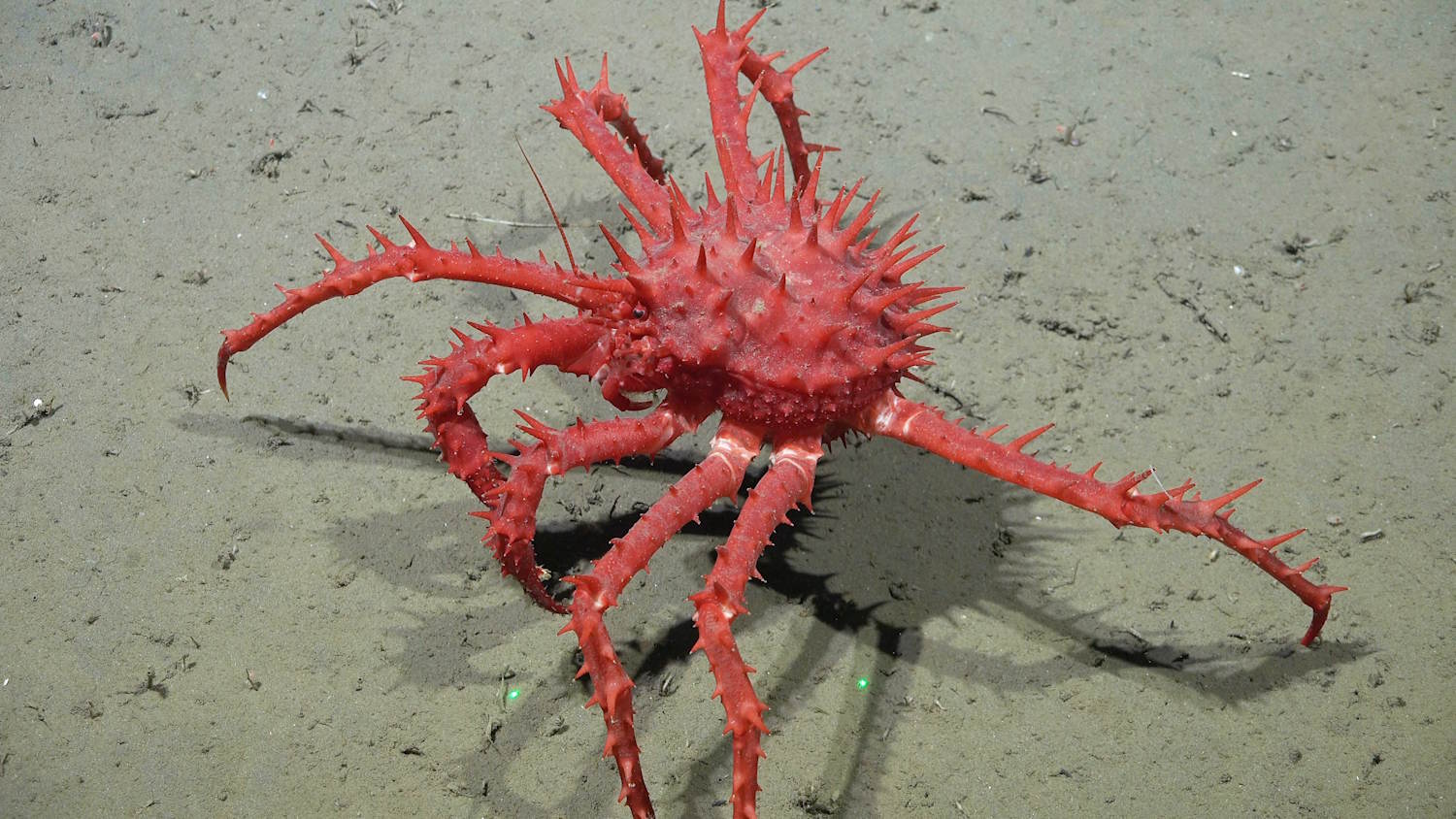
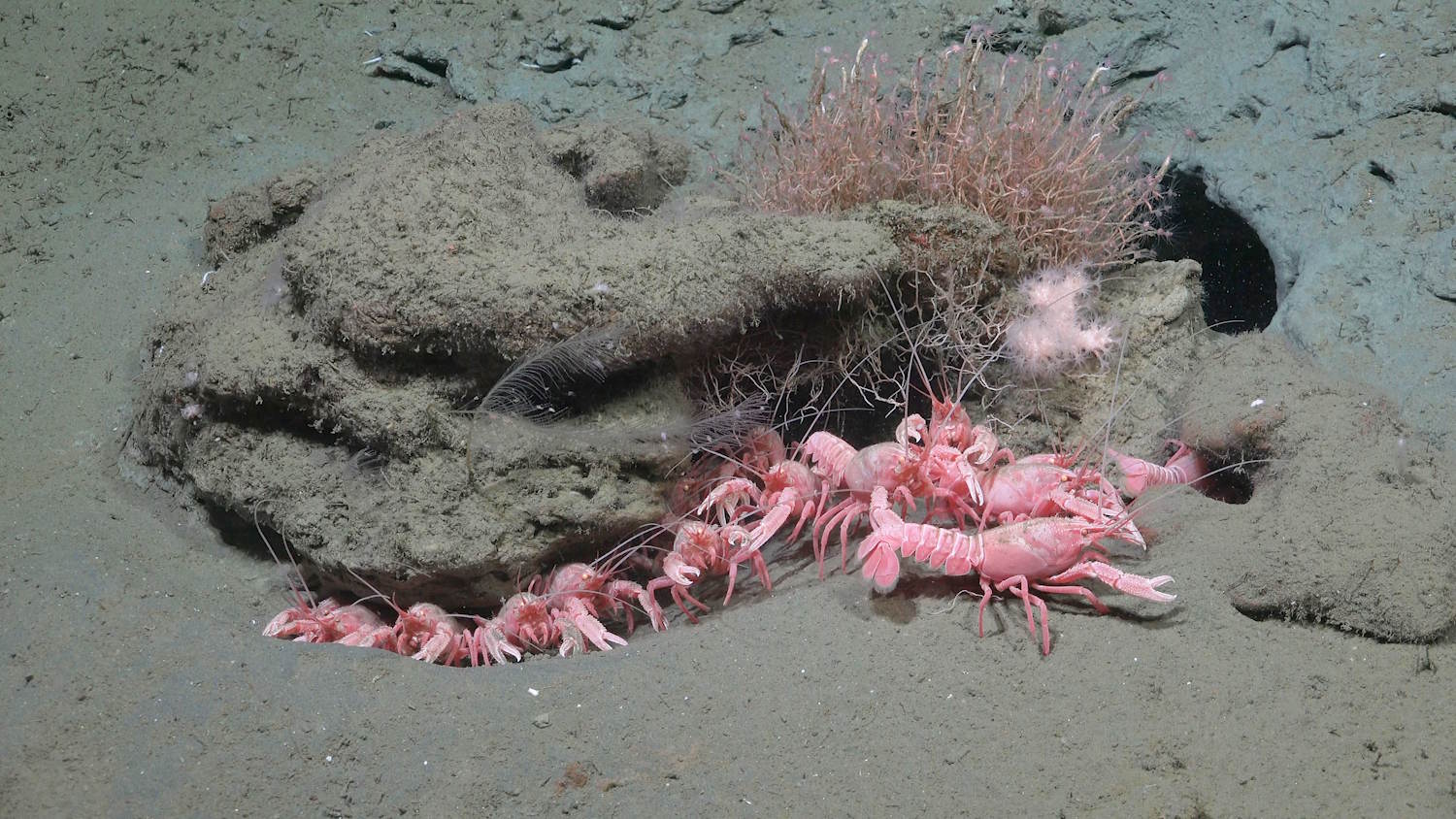
In total, scientists suspect that they have discovered over 40 new species, including sea anemones, sea cucumbers, sea urchins, snails, corals and crusks. However, the confirmation that they are actually new will take time, since scientists will have to compare them with those already known.
The data collected by the shipment lay the foundations for future research and resource management. The team and the public of Divestream However, they also observed, unfortunately, how human activity reaches even the submarine canyon, with tests of debris that included shoes, plastic bags and fishing tools.
This expedition underlines the power of ocean exploration and science in turning on the imagination – explains Jyotika Virmani, executive director of the Schmidt Ocean Institute – was a source of inspiration for us to see the Argentines in love with the sea depths and we are grateful to the scientific team, which has been able to balance the needs of the search in the open sea with the passion to share their research with millions of people with millions of people
All photos and videos of the shipment are available at this link.
Don’t you want to lose our news?
