
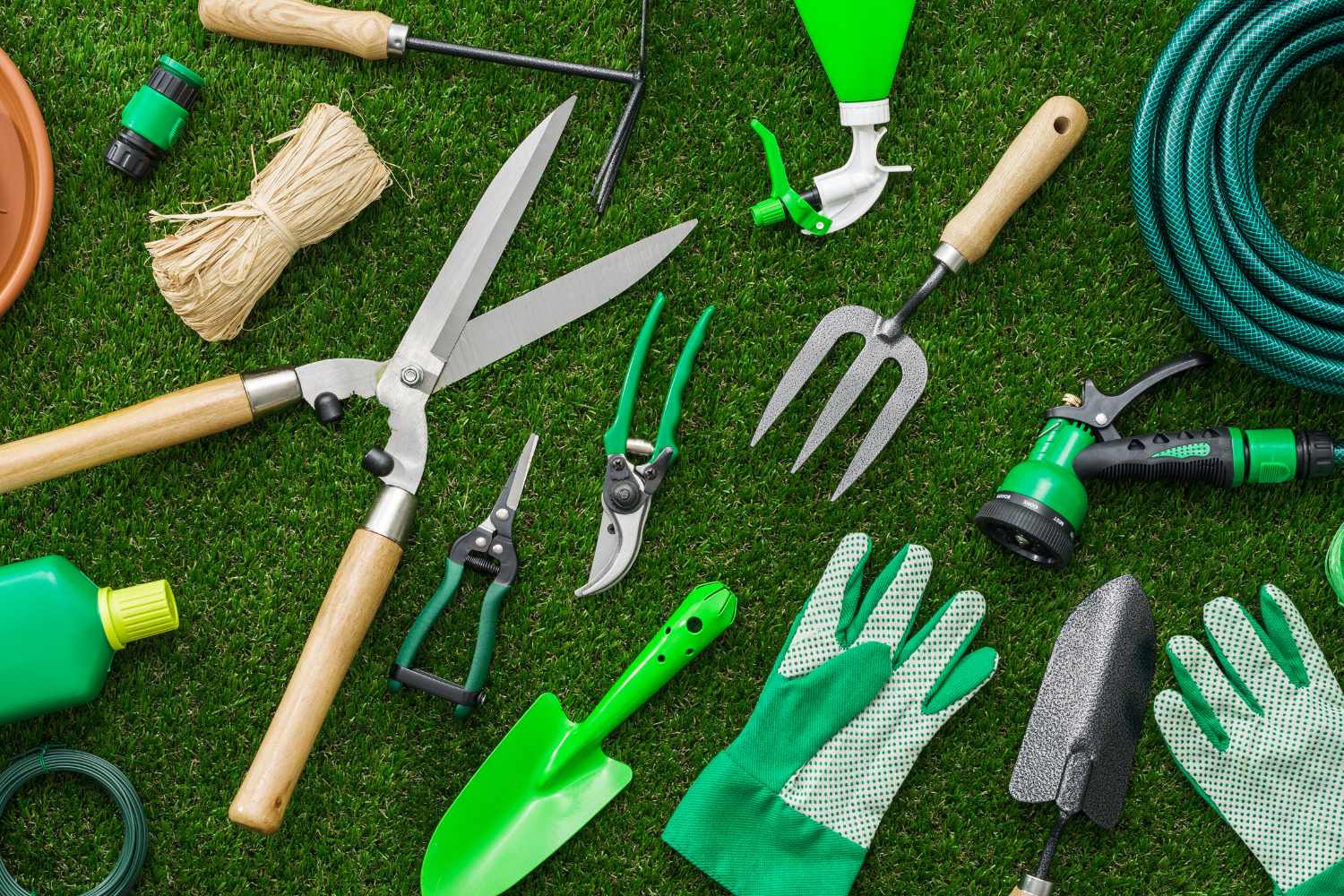
Summer pushes to return to the garden, to check the ground, to awaken the aromatic herbs, to clean the vegetable garden to accommodate tomatoes, basil, courgettes and fresh salads. Every year, in these days, the temptation to resort to ready fertilizers, spray pesticides, chemical herbicides and supermarket insecticides becomes strong, because they boast rapid results, a bright green, the promise of healthy plants and abundant blooms.
The problem is that the composition of these products often – if not always – involves the presence of carcinogenic substances, endocrine and neurotoxins interfering, all elements that accumulate in the ground and end up in the dishes of those who proudly collect the fruit of their work. Better to know before stocking up: there are at least 10 gardening products that you should never buy, replaceable with DIY, natural, safe for health, pets and the environment. Let’s see them together.
Chemical fertilizers for Prato
You can tell him goodbye. The lawn needs nitrogen and microorganisms, not of toxic granules bags. Cut the grass and let it fall on the ground: by decomposing, it releases a nitrogen, stimulates the activity of the earthworms and nourishes in a balanced way. It avoids unnecessary expenses and reduces waste.
Synthetic mulch bags
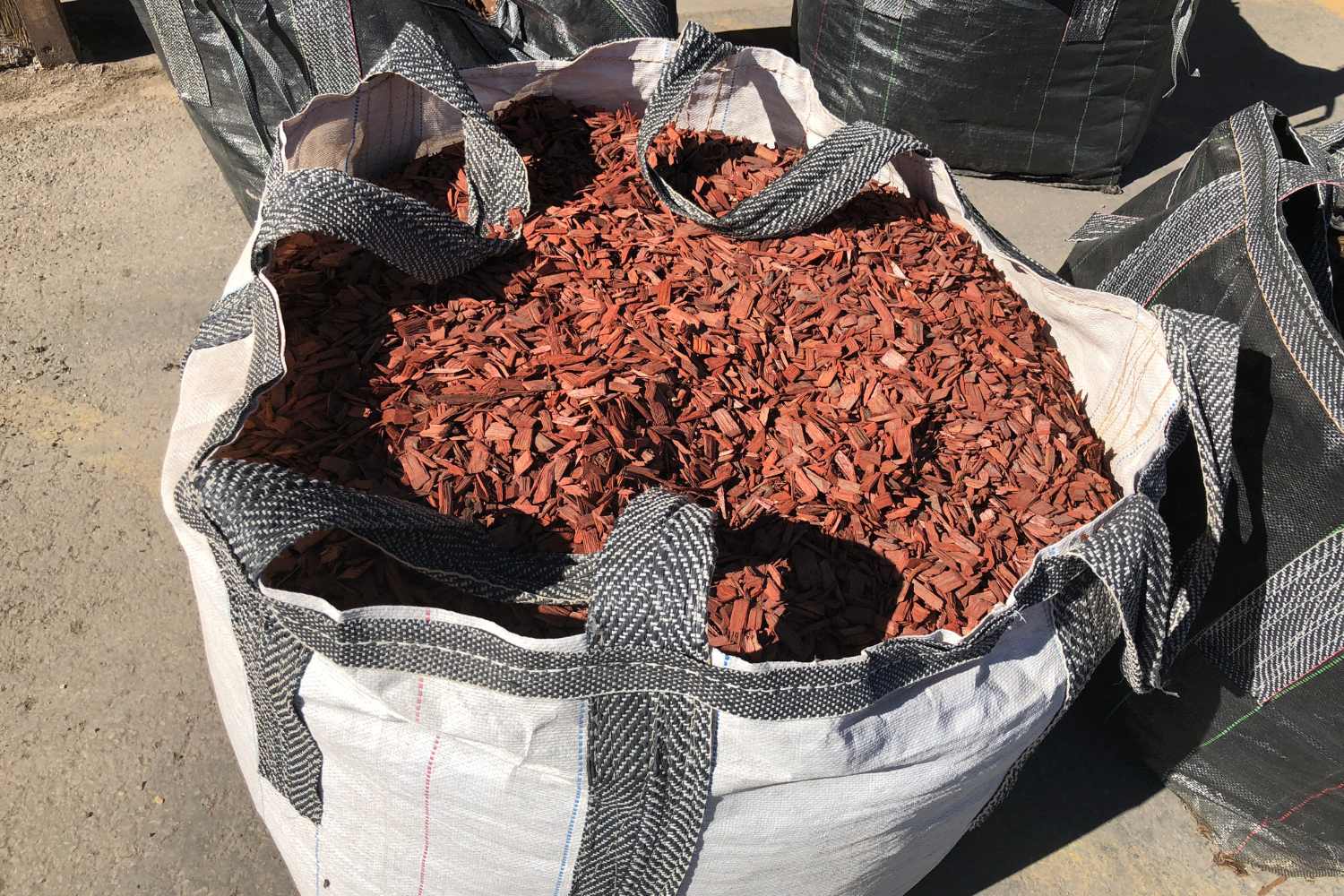
Instead of buying plastic and industrial fabrics, start composing your plant waste. Leaves, small branches, vegetable skins, cut grass: they are transformed into mulch that protects the roots, maintains humidity and nourishes the ground. It is free and enriches the garden of life, without waste to be disposed of.
Liquid fertilizers for pot plants

Take advantage of the coffee funds: they contain nitrogen, phosphorus and microelements. Use three quarters of cup per month, giving them close to the roots. If you don’t drink coffee, the hard wood ash is an excellent ally: to spread it in a thin layer, a few centimeters from the stem, to provide phosphorus and potassium, always interrupting to prevent the wind from dispersing it.
Chemical hormones for cuttings
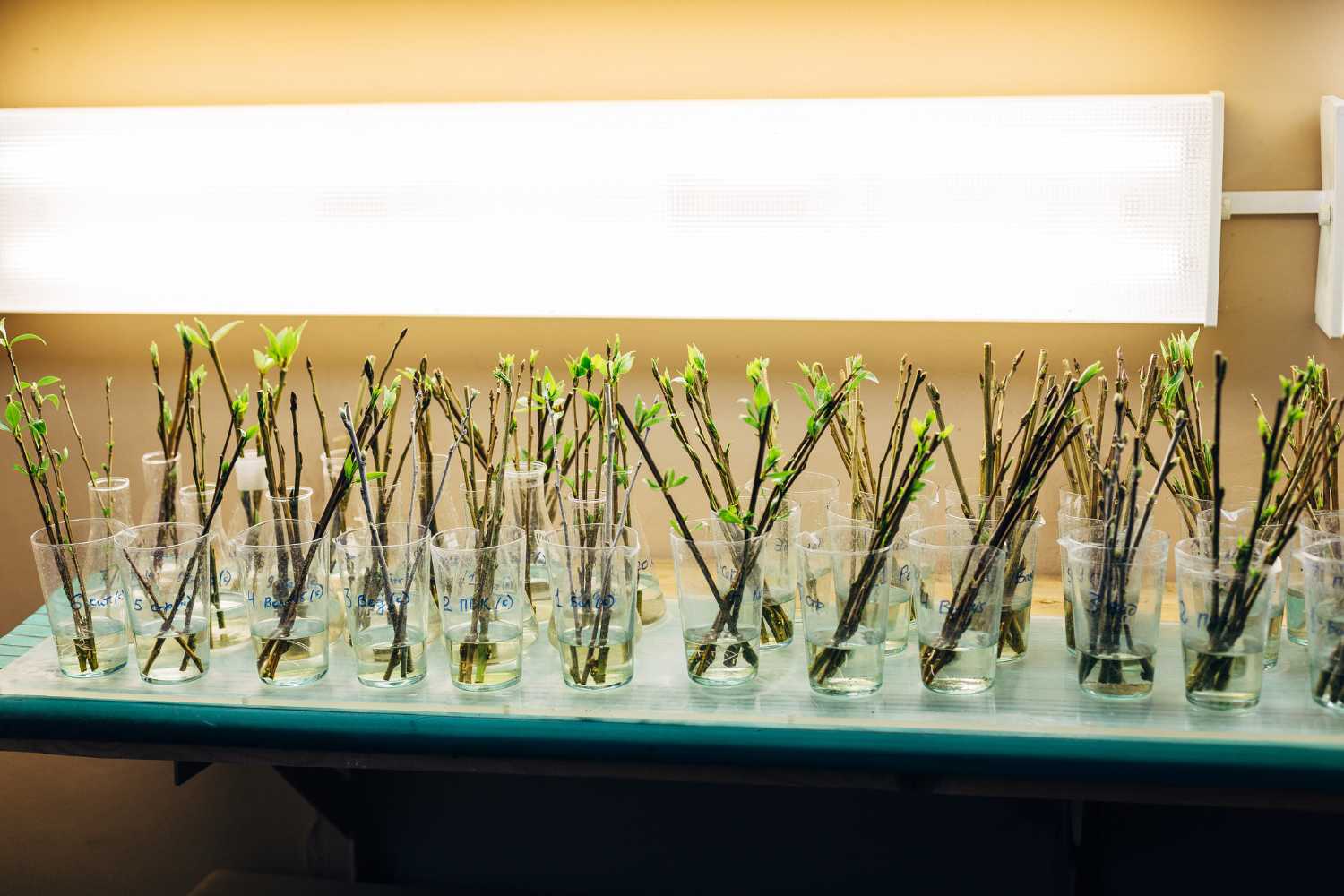
Many people buy radical in the sachet. Do you know you can avoid it? Size of the sprigs of willow, slightly crush them and soak them in water for 24 hours. You will get a natural herbal tea that stimulates the roasting of the cuttings. If you prefer, place some tea sachets near the roots and covered with earth: the water, going down, will bring both ascorbic acid and potassium to the roots.
Toxic fungicides
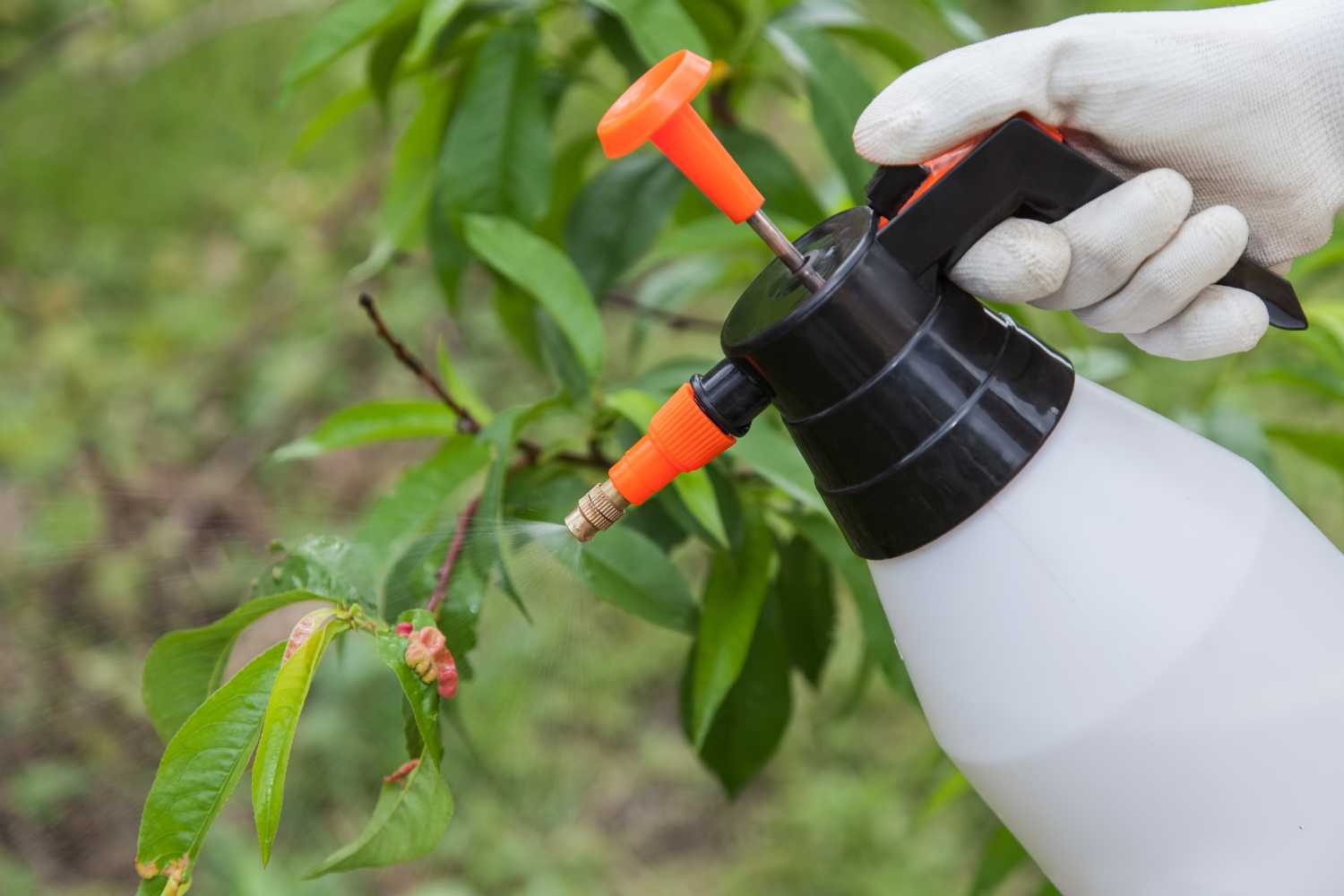
Funge diseases such as ticchiolatura and black mold ruin plants, but they do not necessarily serve toxic spray to resolve the situation. You can dissolve two tablespoons of liquid Castile soap in two liters of warm water and spray on both sides of the healthy leaves after removing the infected ones. A simple remedy to be repeated once a week.
Spray insecticides
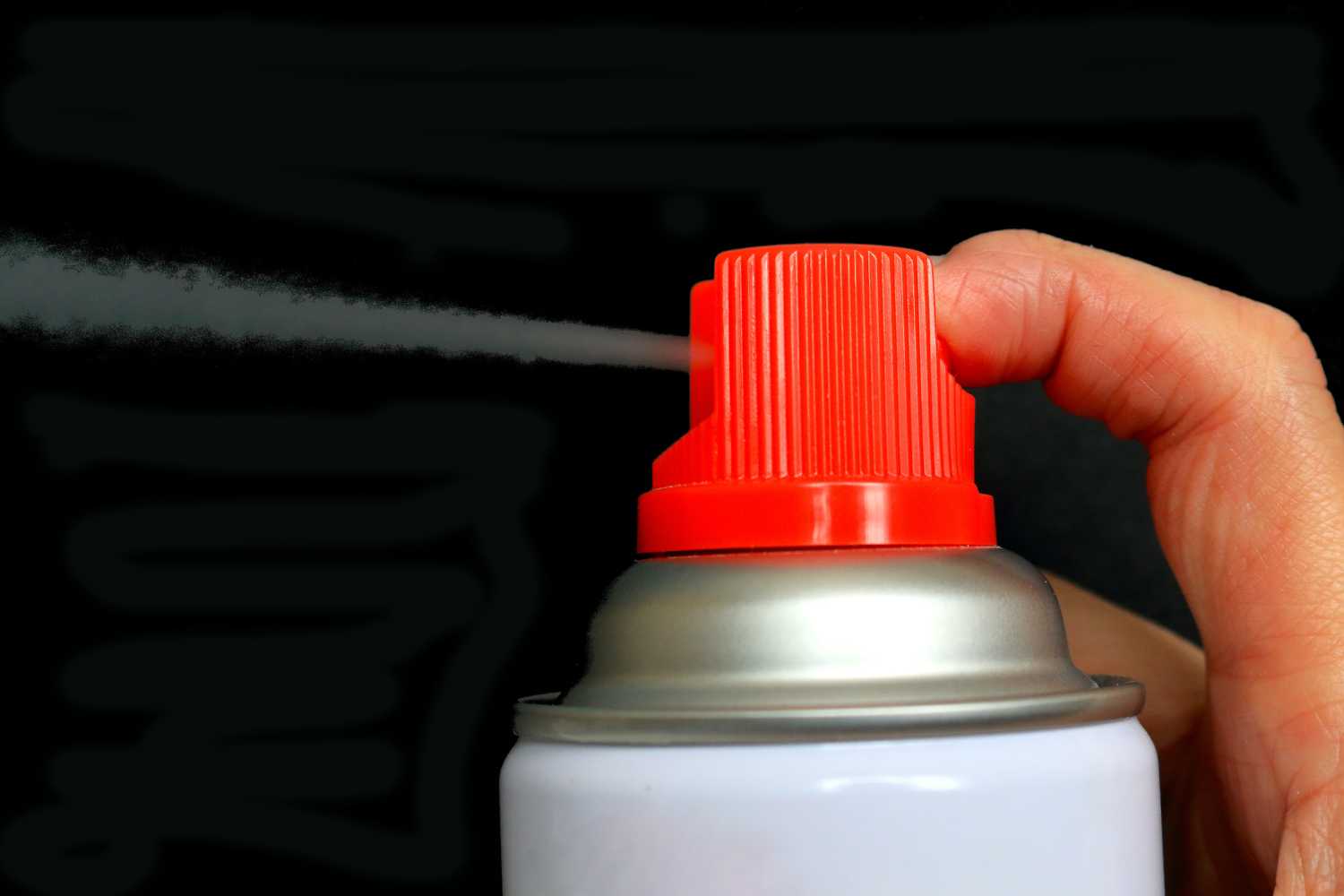
Several of these products pollute, kill useful insects and penetrate the fruits. Fortunately, there are alternatives: it creates a natural repellent by combining garlic, spicy chili, ginger, onion and rhubarb leaves in a jar with boiling water. Leave them to infuse all night, filter and add to natural fungicide. So you can reject insects without damaging them.
Lumache products
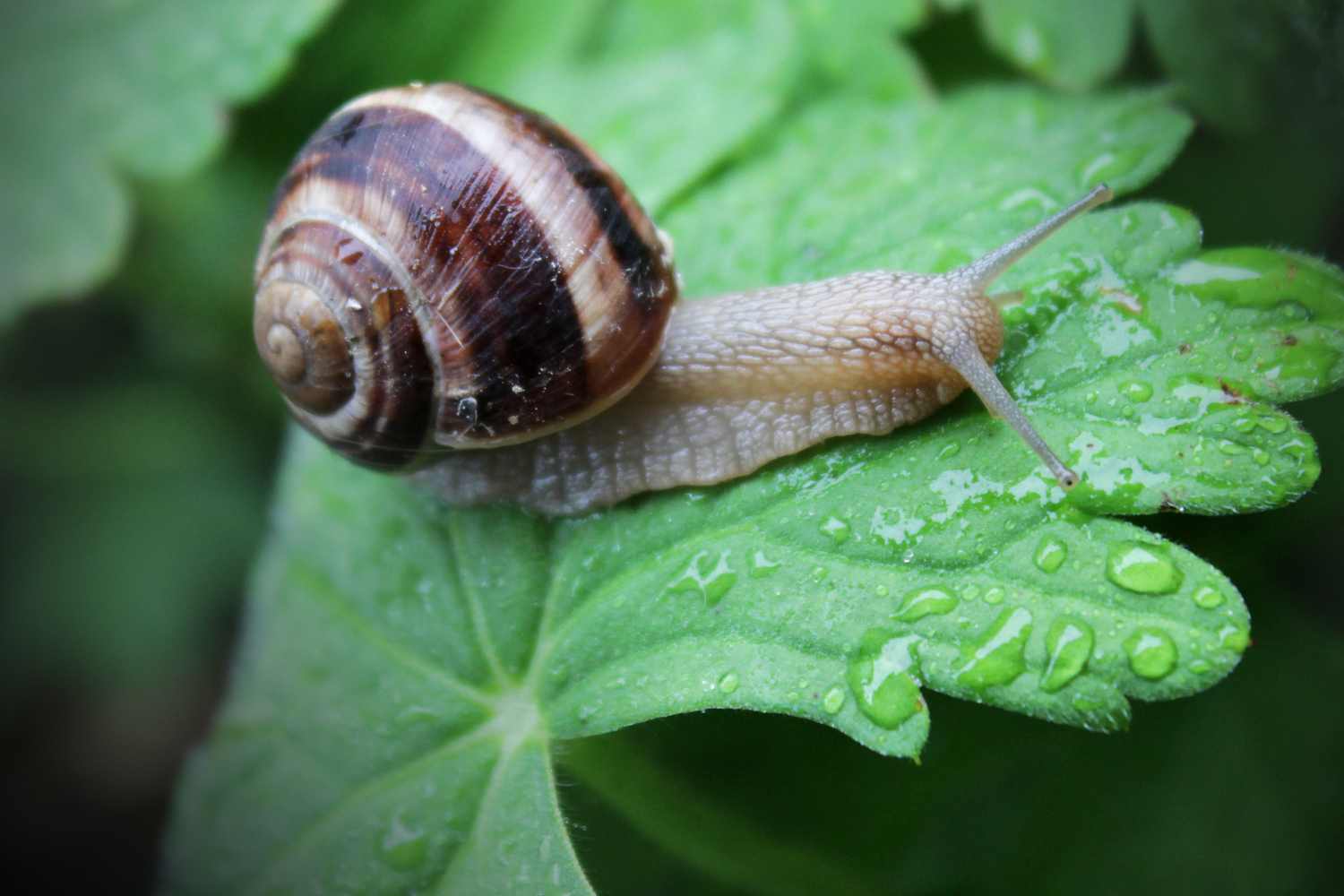
The salt kills them bloody, but also damages the roots and impoverishes the ground. To prevent this from happening, it takes algae, beneficial for the soil and unwelcome to snails: available at the base of the plants, so that they form a natural barrier that will remove them without damaging the environment.
Chemical herbicides
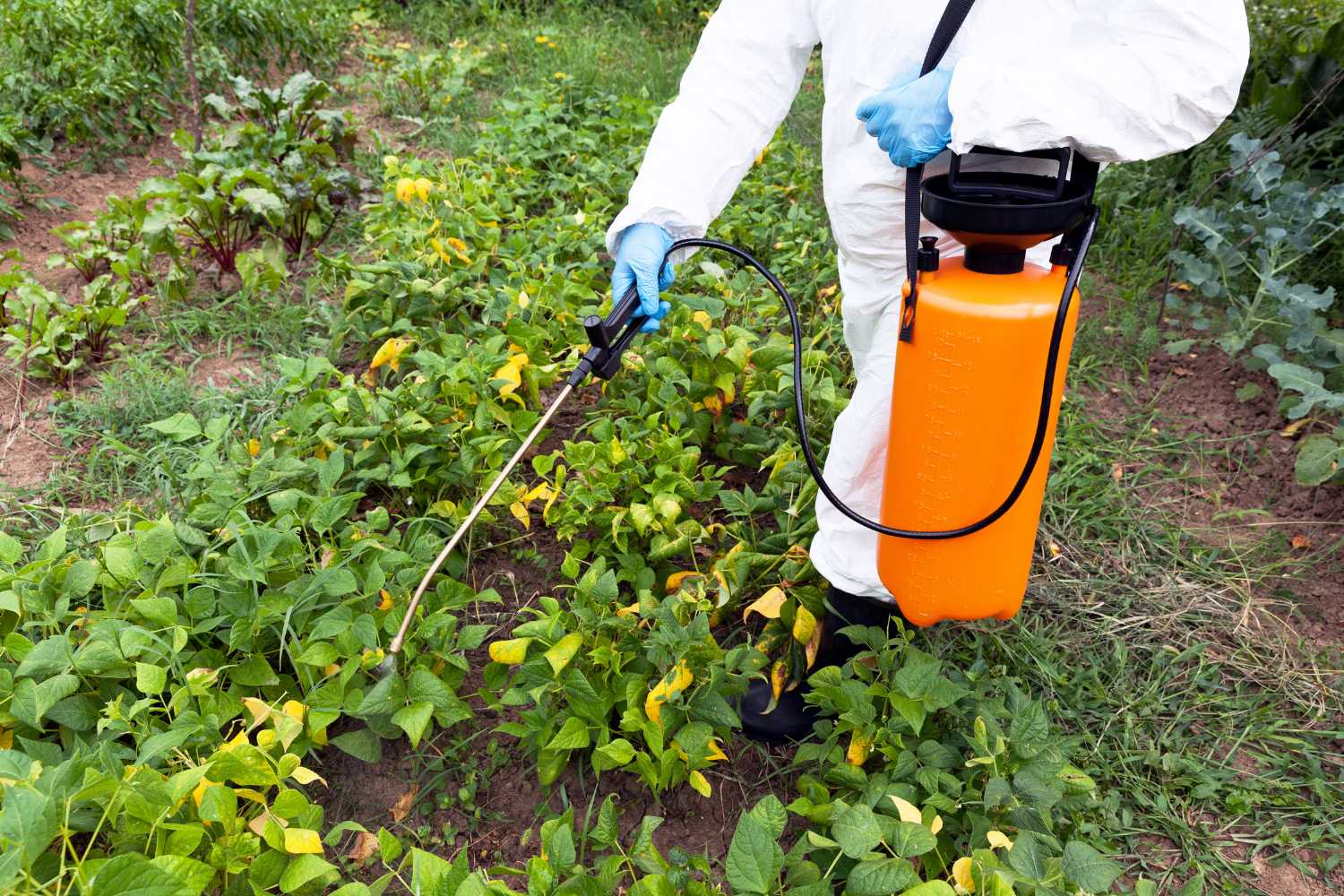
Many rely on chemical herbicides to eliminate weeds, highly toxic products. A less impactful solution provides for the following: mixes two cups of water, a cup and a half of vinegar and half a cup of liquid Castile soap, spraying directly on the unwanted leaves. If you also want to remove the roots, cut the stem and pour a small amount of salt on the cut, paying attention not to touch other plants.
Anti-life and chemical repellents spray
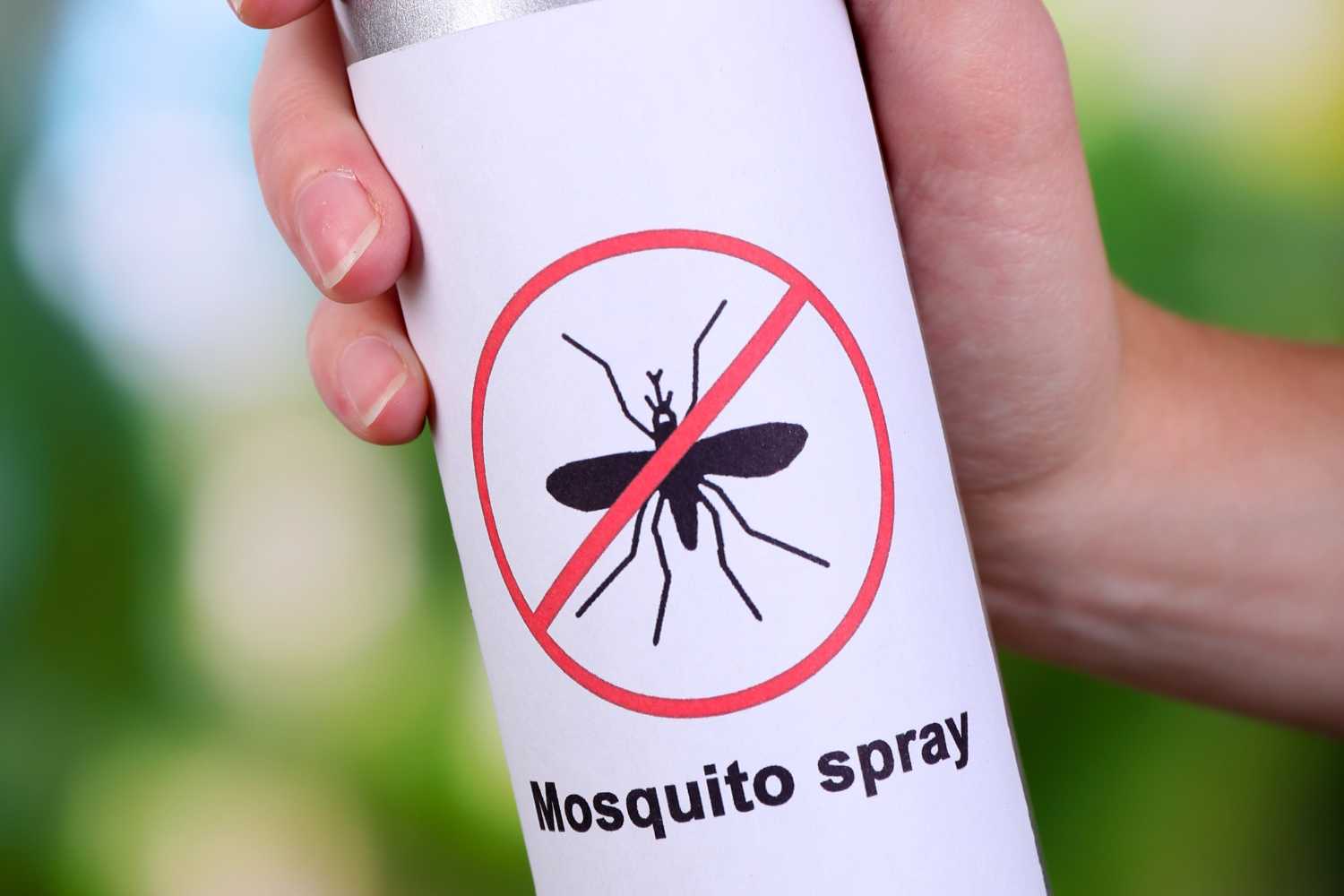
To enjoy a summer barbecue in peace, you can use apple vinegar (to be placed inside an open container, like a bottle cut in half), or rub a clove of garlic on the skin (as long as there are no pets that could ingest the residues, nor beloved trees in sight). In the garden you could position the garlic cloves in the areas where the mosquitoes proliferate or add coriander seeds to the fire of a bonfire to keep the insects away.
Chemical anti -rust
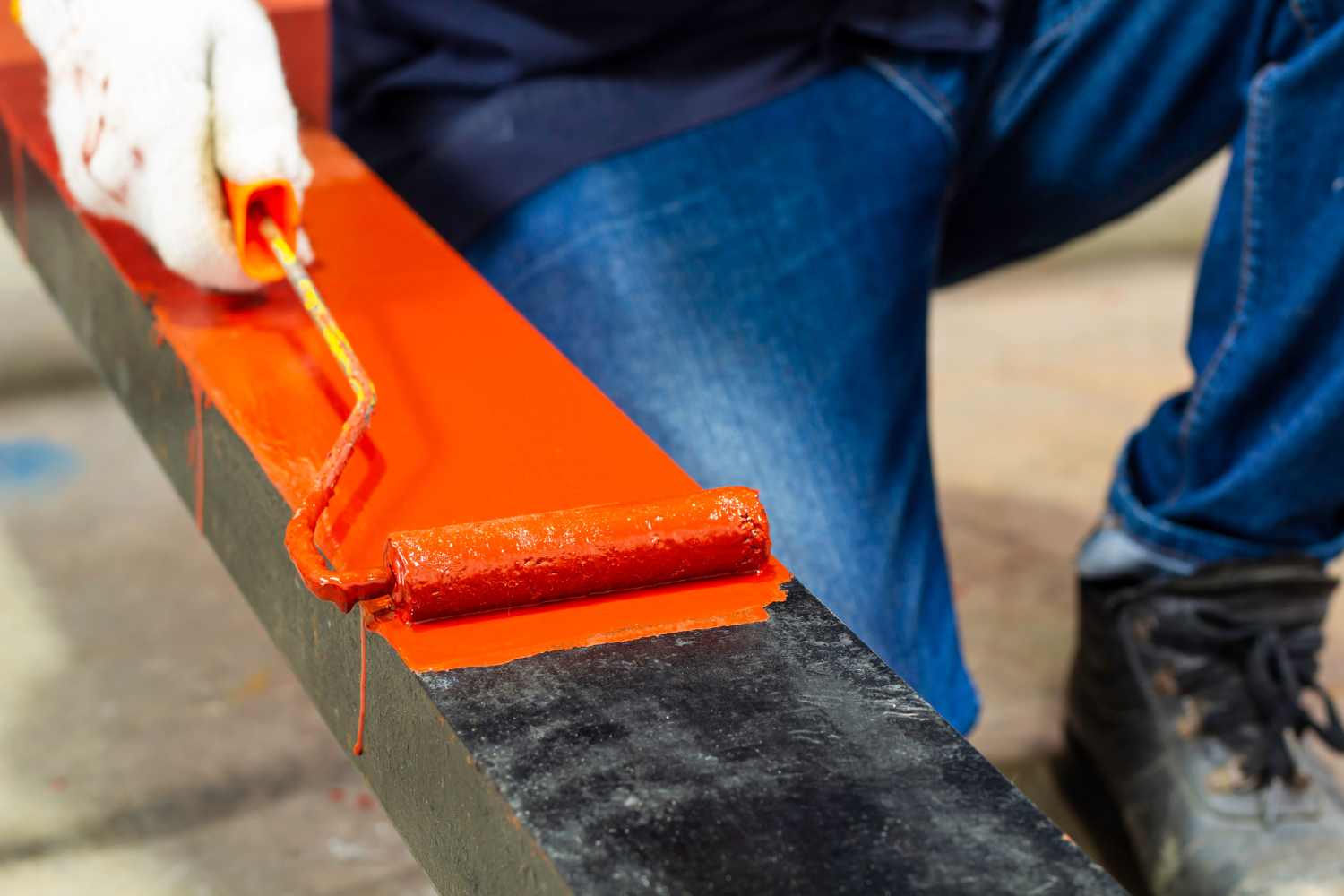
Garden tools are easily rushed and many people buy aggressive sprays to clean them. Alternatively, you could immerse Cesoie and tools in vinegar for one night. If we talk about larger objects, cut a potato in half, dip it in the baking soda and rub the rusty parts: the rust will melt effortlessly, leaving the tools clean.
Extra tip: intelligent recycling
Keep the old plastic containers of chemicals, carefully clean them and reuse them to preserve your natural solutions. Use an indelible marker to clearly write the content, so you will avoid confusion and waste.
Important warning
Many of the do -it -yourself recipes that we have listed use garlic, an ingredient that, if ingested, can hurt our pets, because it is toxic. If you have a dog or cat, make sure that the treated areas are inaccessible, or use alternative recipes.
Happy summer!
Don’t you want to lose our news?
