
The transition from summer to autumn is a critical moment for the health of our plants, because the change of environmental conditions can lead to different problems. When temperatures begin to drop and humidity increases, especially during the night, the ideal conditions for the development of numerous fungal diseases are created. Let’s see the most insidious, how to recognize them and which systems to use to fight them.
The peronospor: the number one enemy of the tomatoes
Among the most devastating diseases that could affect we find the peronospora, a fungal pathology caused by the microorganism Phytophthora infestansgreat threat to tomatoes, potatoes and aubergines. Under certain climatic conditions it can become a real scourge and get to destroy the entire harvest.
The initial symptoms occur with gray-green spots on the leaves that quickly turn to brown, while the affected fruits will present dark patches with a wrinkled appearance, similar to scratches.
The best conditions for the development of the pathology – which at that point could spread with great diligence – include temperatures of about 10 ° C., and constant humidity – at least 10/12 consecutive hours – guaranteed by the repeated rains, typical of the period, and by the night dew.
To prevent the fearsome peronospor, you will have to behave in this way:
The Oidio: the white patina that afflicts roses and vegetables
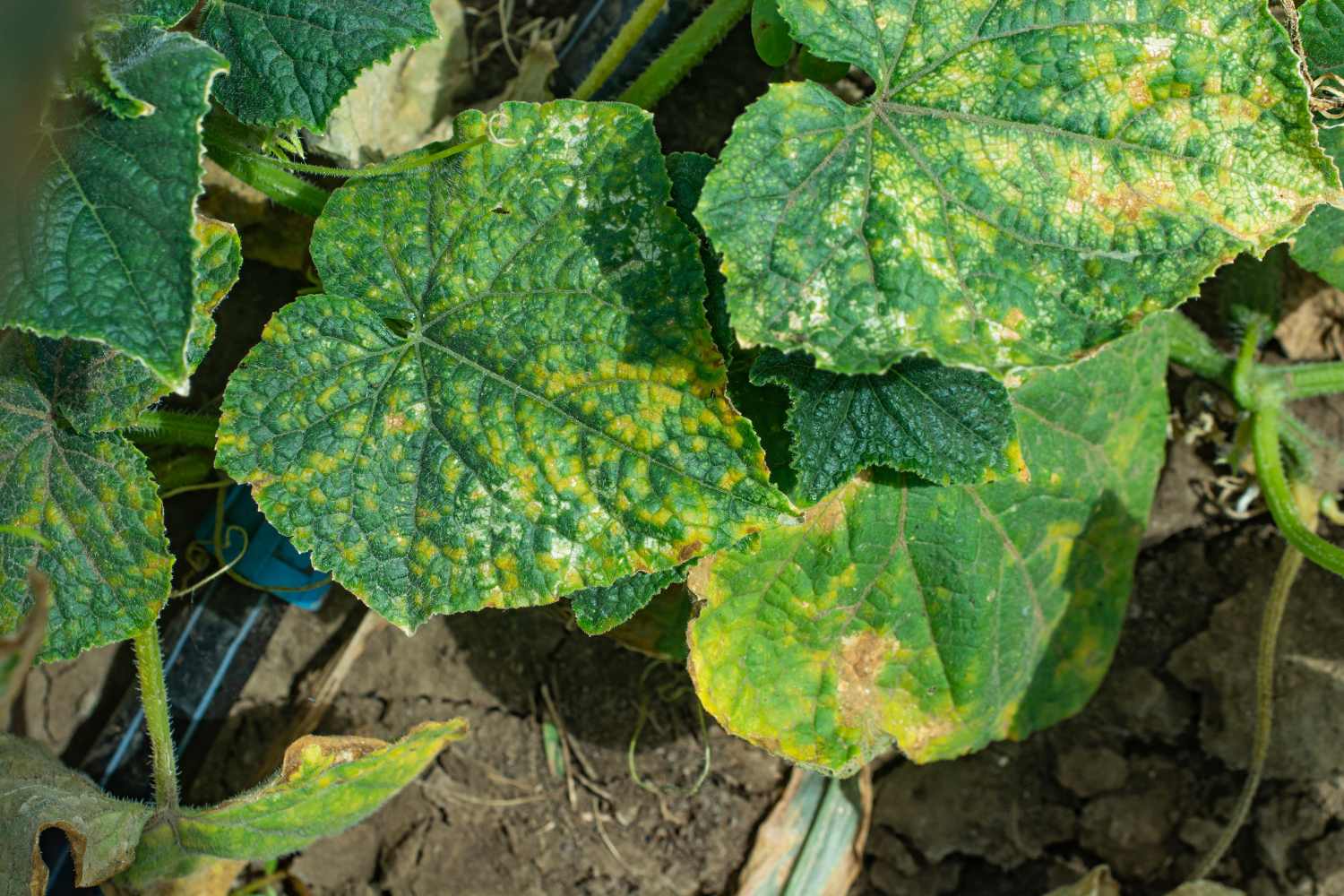
Unlike other fungal diseases, the Oidio – also called Mal White – thrives in conditions of warm and relatively dry climate. It is easily recognized for the characteristic dust white patina that will cover both leaves and sprouts. The formation of the pathology is favored by high humidity and from temperatures up to 26 degrees, certainly frequent conditions in the period between August and September.

The nefarious action of white sickness has a particular grip on the roses, particularly susceptible to the disease: the affected leaves deform, crown and gradually yellow, until they fall. Pumpkins, courgettes and other garden cucurbitae can also be strictly damaged by the Ooid, who can even hit the screws, compromising the quality of the bunches precisely in the final stages of the maturation.
Control of the pathology requires a series of different interventions. Sulfur is the most effective traditional remedy, to be applied every 7-10 days in critical periods. Another home remedy consists in preparing a decoction with onion skins and some garlic cloves, to be sprayed weekly on the plants.
Remember the correct management of irrigation, a phase as always very important in the management of green: do not wet the foliage and avoid stagnation.
Botrite: when the gray mold attacks flowers and fruits
Botrite – also called gray mold – is yet another threat to our plants, a serious problem for many ornamental and productive crops. The lesions occur on the various parts of the plant – leaves, stems, fruits and flowers – initially as small spots, and then becomes necrotic areas covered with a characteristic gray and velvety mold.
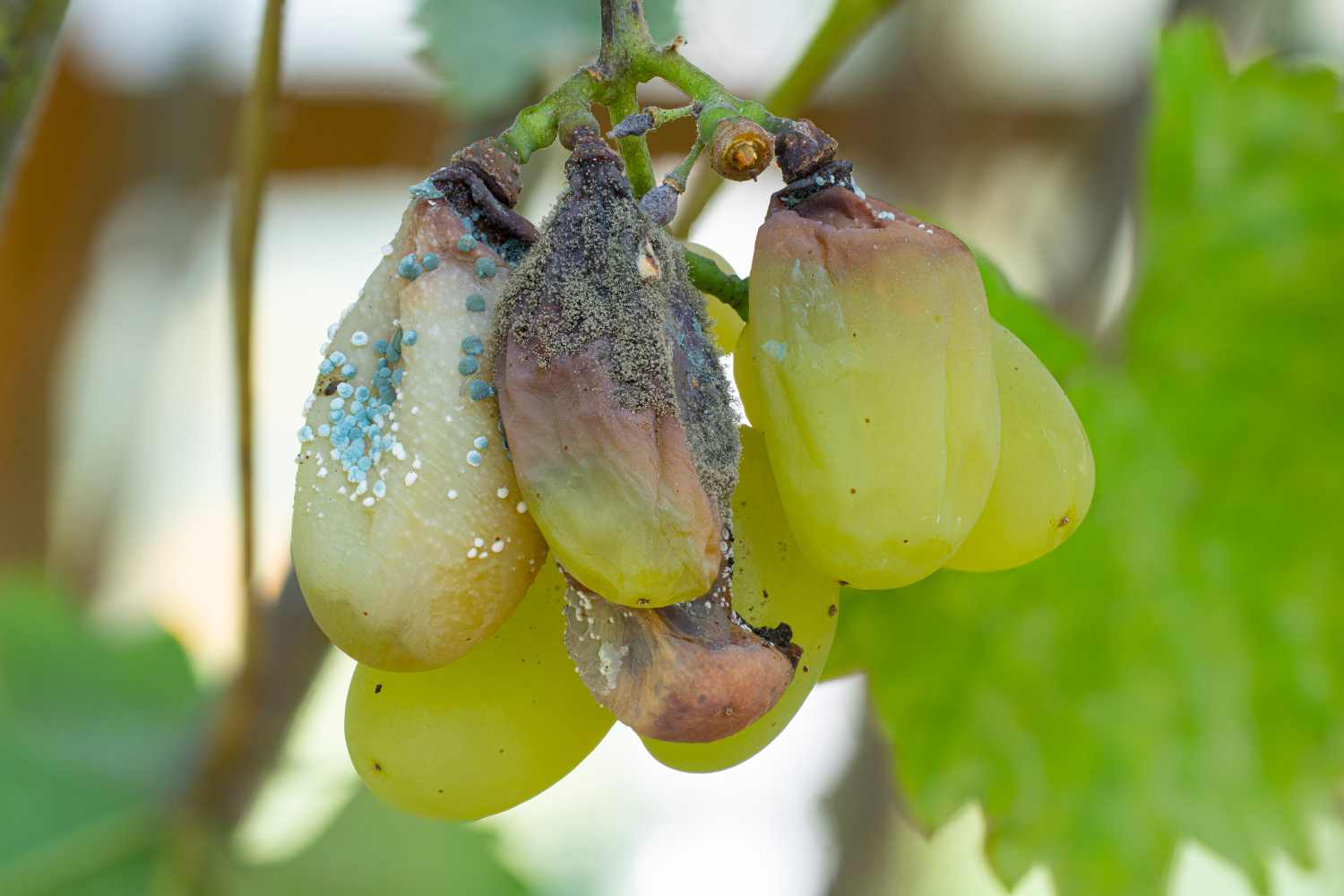
Gray mold prefers wet and not very ventilated environments, and mainly attacks roses, strawberries and bunches of grapes during the ripening phase, particularly vulnerable subjects. In ornamental plants, the greatest damage occur on buds and flowers, which quickly rot by compromising the aesthetic aspect of the plant.
Prevention passes through a good air circulation between plants and the timely elimination of dried flowers. Avoid excess nitrogen fertilizations, which favor tender and susceptible fabrics. In the event of an attack, read the affected parts promptly and treat everything with specific products.
Other late summer problems: aphids and mites
In addition to fungal diseases, late August and September often see a resurgence of the attacks of the various parasites:
How to contrast them? Biological control with nettle preparations, soft soap or Neem oil can be effective if applied promptly, and remember: the most important aspect focuses on the continuous control of plants, because constant monitoring allows you to immediately intercept the problem and act as a consequence, immediately, to the first infestation signals.
How to protect plants: integrated strategies
The effective defense of plants requires an integrated approach that combines prevention and targeted interventions.
At the end of the summer, the plants cease vegetative activity to enter the processing phase, when they are particularly vulnerable. Before the arrival of the autumn rains you will have to carefully inspect the plants to evaluate the health status: the removal of death leaves, dried branches and damaged fruits eliminates potential outbreaks of infection.
A slight pruning will improve air circulation, reducing the humidity that promotes the development of mushrooms. The preventive application of natural treatments such as horsetail macerates, or propolis -based preparations, can strengthen the natural defenses of plants.
Don’t you want to lose our news?
