
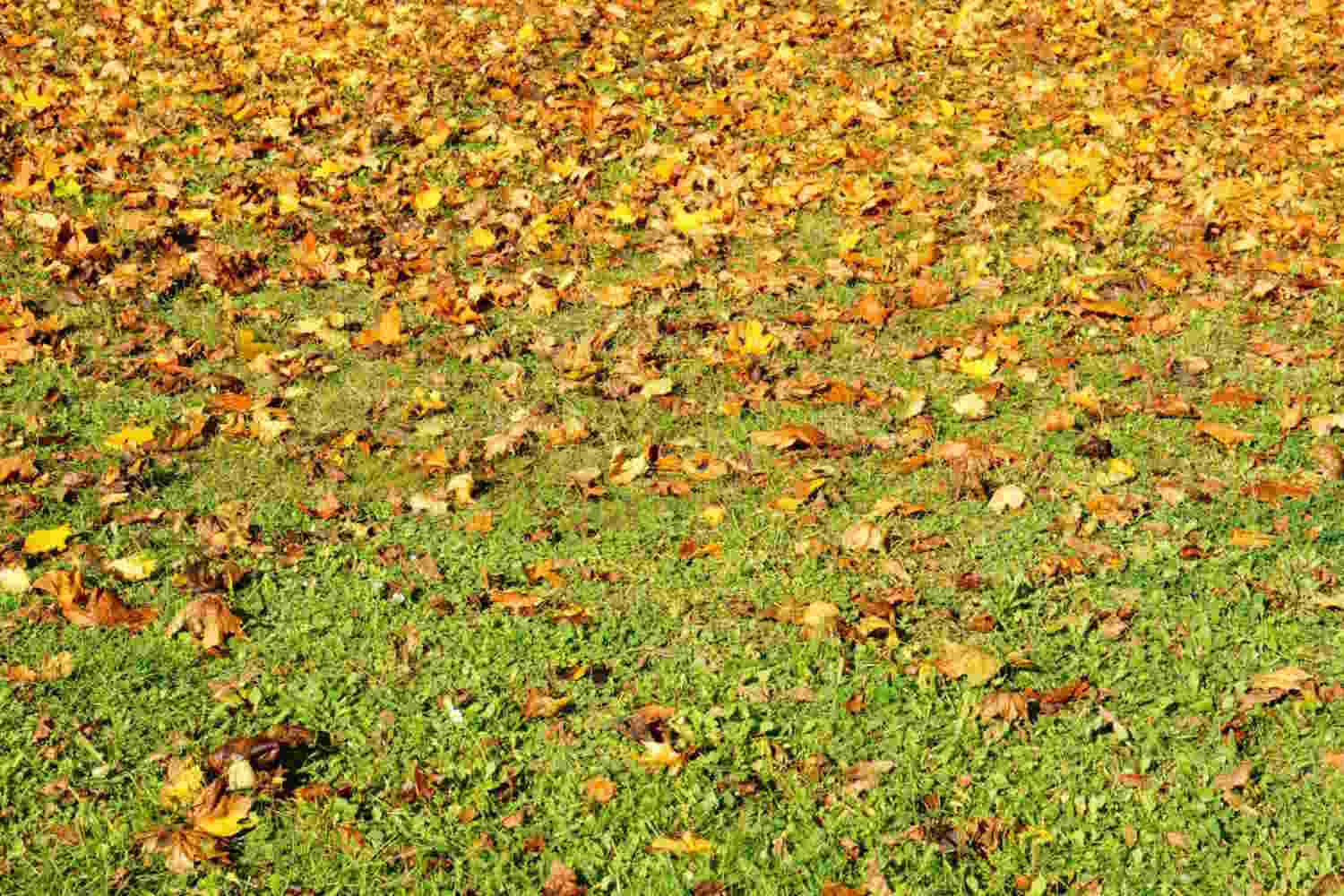
This period, in fact, is not rest, but a moment of strategic importance to prepare the lawn to overcome winter stress and guarantee a vigorous recovery in the spring. Intervening with the right techniques and adequate equipment is essential to consolidate the work of an entire season and lay the foundations for the following one. Operational efficiency, in fact, depends a lot on the quality and specificity of the tools used, an aspect that professionals care carefully, often turning to portals specialized in the sale of new and used machinery, such as Agriaffaires.it, to find the most suitable solutions to their needs.
Cut and cleaning: the foundations for effective intervention
The preliminary but essential operations begin with the management of the last mowings. Contrary to what one might think, the lawn should not be cut too low before winter, but it is advisable to maintain a height of about 5-6 centimeters to allow the plant to continue photosynthesis and, at the same time, protect the collar from imminent frost. In parallel, the cleaning of the surface is of maximum importance. The constant removal of dry leaves and debris through the use of blowers or professional aspirators prevents the formation of a humid layer that could encourage the onset of fungal pathologies, such as winter rot. A clean lawn is a meadow that breathes, ready to receive subsequent treatments in a homogeneous and effective way.
Arieggiatura and transemina: oxygen and density for the spring recovery
After cleaning, the soil is ready for two of the most significant interventions of the period: the ramming and the betrayed. Over the months, the soil tends to compact, limiting the circulation of air, water and nutrients towards the radical apparatus. The use of a mechanical re -tender or a scarifier allows you to practice holes in the ground or to affect the superficial layer of felt, restoring the necessary porosity and stimulating the radical activity. This intervention creates the ideal conditions for transemina, i.e. the distribution of new seeds to thicken the branched areas and increase the general density of the turf. Choosing mixtures of seeds suitable for the climate and resistant to cold is a detail that the professional cannot neglect to ensure a dense and uniform result to the vegetative recovery.
Autumn fertilization: strategic nourishment for winter
The last great operation is the fertilization, which in autumn takes on a completely different role than the spring one. At this stage, it is necessary to provide the lawn with a specific nourishment, poor in nitrogen (N) but rich in phosphorus (P) and, above all, of potassium (K). While the nitrogen would stimulate late leaf growth and vulnerable to the cold, potassium is essential to strengthen the cell walls of the plant, increasing its resistance to low temperatures and diseases. Phosphorus, on the other hand, supports the development of the roots, which continue to grow even when the aerial part stops. The application, performed with professional salary to guarantee uniform distribution, represents the energy “meal” that will support the lawn throughout the winter, preparing it for a brilliant and vigorous awakening with the arrival of the new season.
Don’t you want to lose our news?
