
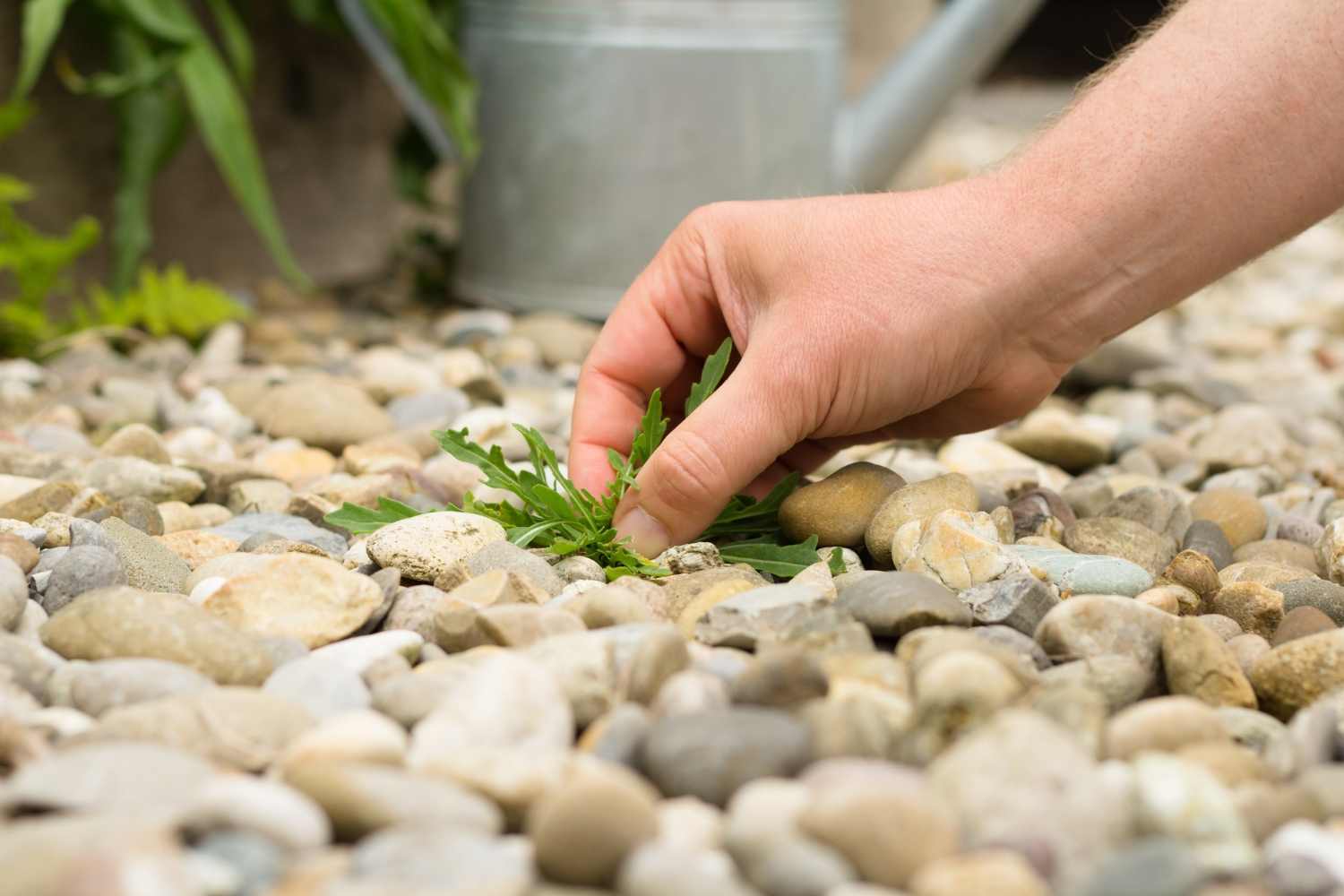
Ghiaia vialetti transformed into the forest, in which gramigna, lion teeth, counters and plants never seen, thrive in total freedom, testing rakes and above all the patience of the gardeners. The scene is always the same: you prepare for the assault with gloves, buckets and a little optimism, punctually frustrated by the resignation that it slowly begins to mount.
After years of struggles against these unwanted guests, I discovered that there are simple, cheap and, above all, natural remedies. Yes, because aggressive chemistry is not the only way to keep the avenues clean.
Ghiaia and weeds: an eternal battle
The gravel is apparently inhospitable, it actually offers weeds the perfect environment to thrive. The roots find space between the stones, the humidity is preserved well under the surface and the seeds brought by the wind immediately find fertile ground. Rake is not enough. Nor is it enough, unfortunately, to pray that no longer snacks: a practical, regular and above all coherent approach is needed.
The remedies of the grandmother (who really work)

Do you know the so -called remedies of the past, those of the grandmother? Well, they really work, and access it is very simple: no expensive product, no packs full of toxic warnings, only ingredients that everyone has at home.
The white vinegar, for example: sprayed in purity, or slightly diluted directly on the leaves, acts like a natural herbicide. The acid content literally “cooks” the seedlings, making them dry in a few days.
Another trick to be kept as a family secret: boiling water. That of pasta or rice, even better. Just pour it still hot (but with caution) on the affected areas, and the weeds happen without the possibility of returning. It is effective, quick, and zero impact on the environment.
Then there is the baking soda: a teaspoon sprinkled on the leaves and a splash of water above. It is an old method also used in the gardens, which inhibits photosynthesis and slows down the growth of invasive plants. Large salt also works, but with caution: sterilizes the ground, so it should be used only on vialetti or areas where you do not want any vegetation.
The thermal herbicker: a hi-tech but natural solution
For those who want a more modern but always ecological approach, the thermal herbicker is an option to consider. It is a sort of controlled flame, which generates a thermal shock on the leaves, destroying the plant cells. It does not burn the plant, but stops its growth, bringing it to death in a few hours. It is effective, spectacular to see in action, and above all harmless for soil and pets.
Prevent it is better than tearing
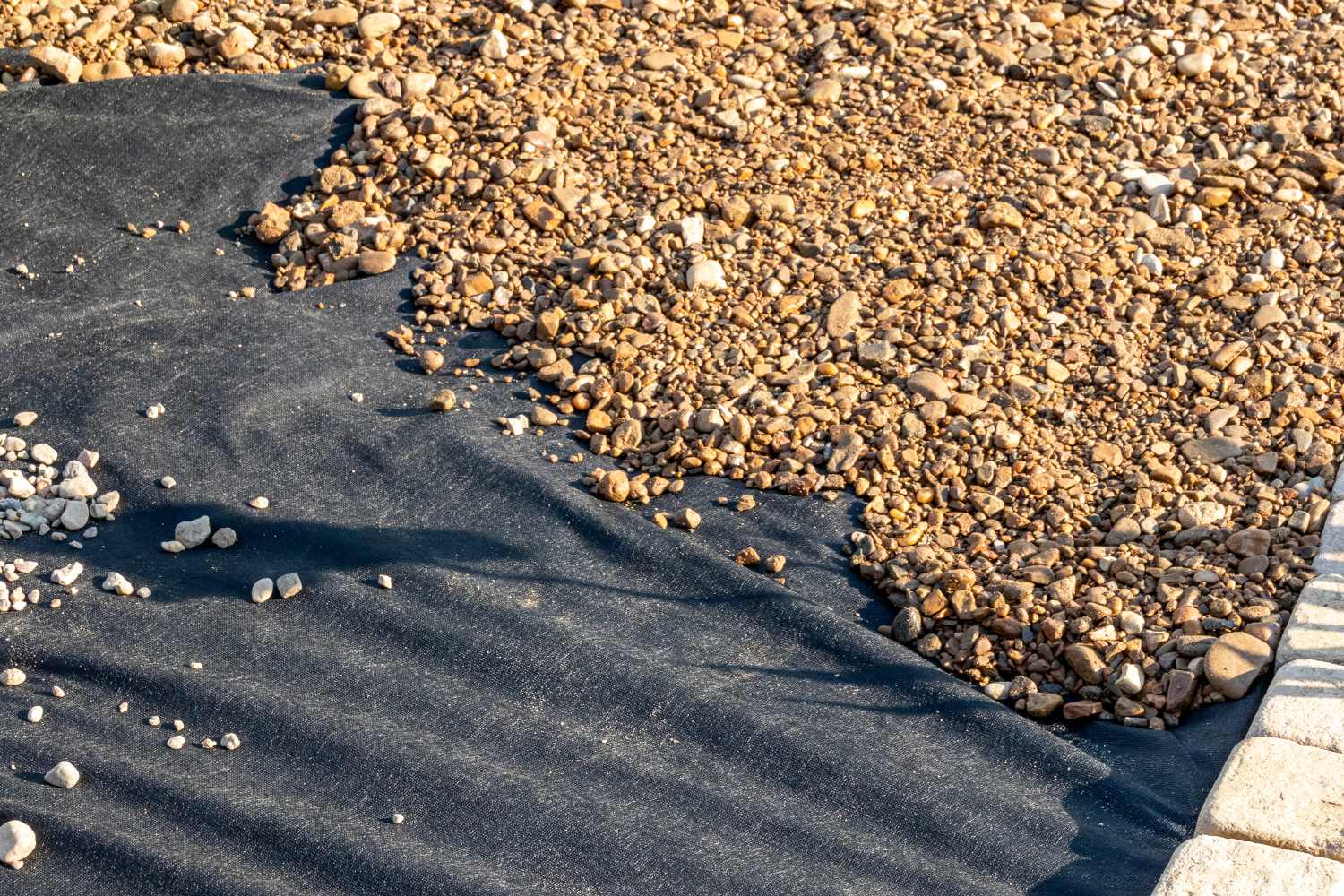
If you are designing a gravel road, remember this name: geotextile fabric. It is a breathable membrane that spreads under the stratum of gravel and prevents the roots from penetrating the ground. The water passes, but the seeds are unable to sprout. It is the best investment you can do to say goodbye (almost completely) to infestations.
Have you inherited an already made and barriers without barriers? No problem: there are other stratagems. For example, cover the gravel with mineral mulch: slate flakes, larger pebbles and clay spheres. In addition to embellishing the outside, they create shadow and prevent light from reaching the seeds, thus blocking their germination.
Maintenance makes the difference
No solution is definitive if constancy is missing. Once a week, use a small garden tool, remove the first hand sprouts and collect the dead leaves that favor humidity. Check that there are no too compact or too humid areas, and in the event that the most problematic points came out, spread a little ash of wood, which has a natural drying effect and inhibits the growth of the seeds.
Another important aspect concerns the movement of the gravel, to be carried out every 2/3 months: the simple movement of the stones moves the roots and breaks the life cycle of weeds. It is certainly a boring job, but it will be able to repay you. Very little is enough: a rake, a few hours a year, and the way will remain ordained.
The secret? A little bit of everything
Ultimately, there is no magic wand, because the grass in the gravel are damn stubborn, and win them requires patience and strategy. By combining some natural method, a little prevention and a minimum of regular maintenance, the result will be seen. No poisons or drastic solutions are needed: it is enough to know what to do, when, and above all, to do it constantly.
