
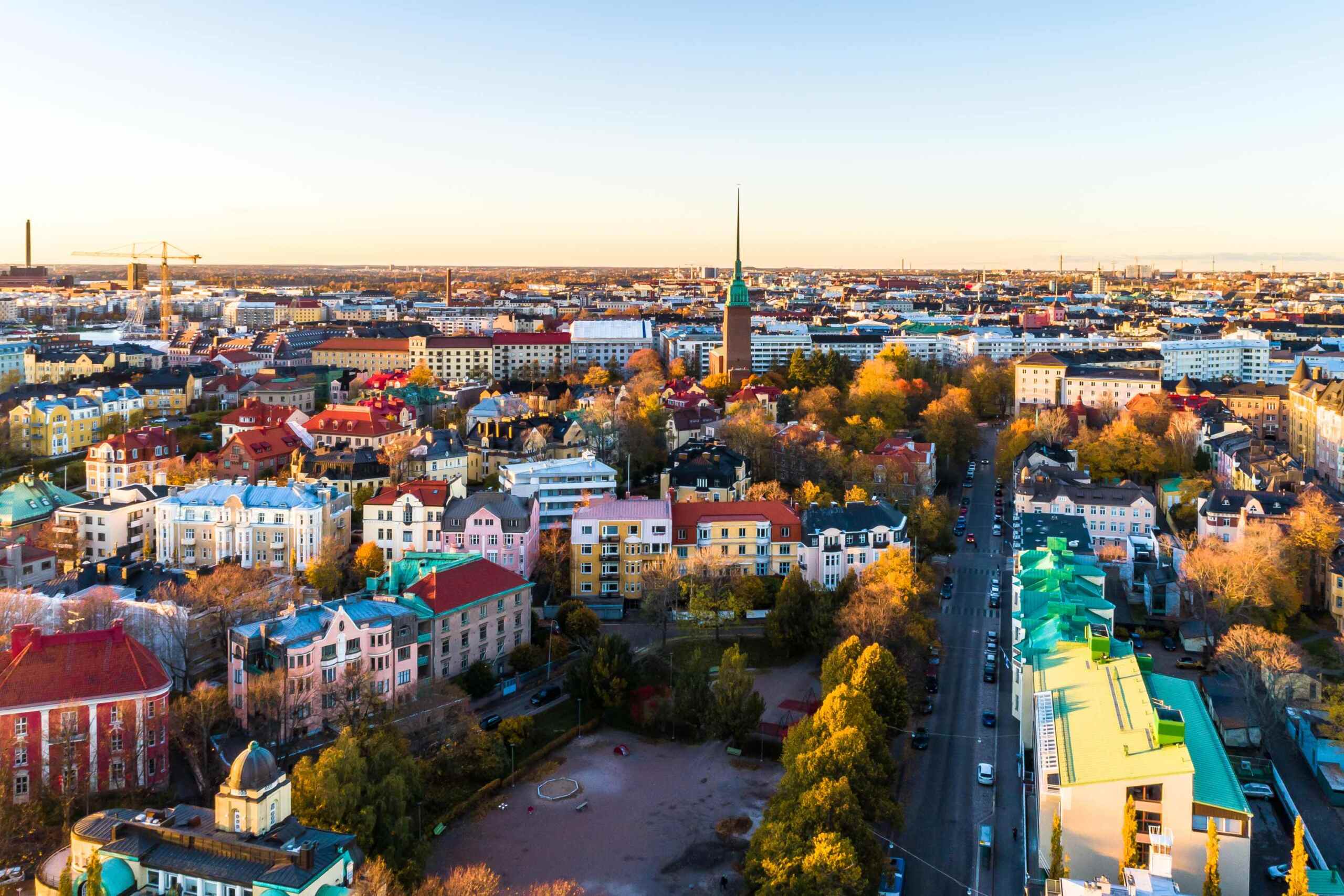
The Finnish capital confirms Green tourism champion. For the second year in a row, Helsinki has conquered the summit of the Global Destination Sustainability Index with an extraordinary score of 94%. A result that certifies the leadership of the Nordic city in the ecological transformation of the global tourism sector.
The GDS-Index 2025, which this year celebrates its tenth anniversary, photographs the great revolution in progress: the tourist destinations from all over the world have accelerated the step towards more responsible practices, with an average leap of the performances of 31% compared to the previous year. The top ten classified made even better, with a progress of 46%.
The Finnish recipe for success
Helsinki wrote a new chapter in the history of European capitals. It was the first to say goodbye to coal, a courageous choice that earned her the Green Destinations certification, even if the green turning point of the city goes far beyond this symbolic primacy.
The numbers are clear: 99% of hotel rooms in the structures with more than 50 beds have environmental certifications issued by independent bodies. All the city’s congress centers have obtained the green stamp, eight out of ten tourist attractions respect verified ecological standards. These data tell a profound transformation that involved the entire receptive fabric of the capital.
The climatic plan of the city represents a model to study. Helsinki accurately measures its emissions and has developed long -term strategies to deal with the risks related to climate change, showing that sustainability and tourist attractiveness can go hand in hand.
The Australian surprise
If Helsinki confirms his excellence, Adelaide amazes for the speed of his transformation. The Australian city has climbed 23 positions in one year, earning the title of “most improved destination” of 2025. An impressive leap for a city in the second year of participation in the index.
Adelaide has focused everything on an integrated climatic strategy with objectives at 2030 and has launched its first roadmap for sustainability. The city airport has become the first Australian airport to achieve carbon neutrality for direct emissions, concrete results that demonstrate how cities far from Europe can also excel in the green challenge.
A global movement
The 2025 ratio certifies that sustainability has stopped being a habit for a few. Nine new destinations have entered the ranking this year and the gap between the top ten cities and the general average is being reduced. Clear signals of a change that is involving the entire planet, even if the domain of northern Europe remains a constant.
The tourist destinations have understood that investing in the environment is convenient, given the growing attention of tourists for the destinations most attentive to the ecological impact. Local administrations discover that green policies attract quality visitors and generate lasting economic benefits.
The tenth anniversary of the GDS-Index arrives in a crucial moment, because after years of economic uncertainty, the tourist sector is demonstrating excellent adaptability, focusing on sustainability card. Helsinki and Adelaide embody two sides of the same medal: the first confirmation that green excellence is built over time, the second shows that the rapid change is possible when there is political will and strategic vision.
The 2025 ranking launches a strong message: the future of tourism passes through sustainability. Those who know how to grasp this challenge will have a decisive competitive advantage in the years to come.
We leave you to the ranking of the first 20:
- Helsinki, Finland, 94%
- Gothenburg, Sweden, 92%
- Copenhagen, Denmark, 89%
- Aalborg, Denmark, 87%
- Glasgow, United Kingdom, 86%
- Tampere, Finland, 86%
- Aarhus, Denmark, 85%
- Lyon, France, 84%
- Belfast, United Kingdom, 84%
- Reykjavík, Iceland, 84%
- Melbourne, Australia, 83%
- Kerry, Ireland, 83%
- Singapore, Singapore, 82%
- Barcelona, Psagna, 82%
- Goyang, South Korea, 82%
- Brisbane, Australia, 81%
- Berlin, Germany, 81%
- Cork, Ireland, 80%
- Dublin, Ireland, 80%
- Montréal, Canada, 80%
